Can Baby Swim with Spots? Baby Acne and Pool Days
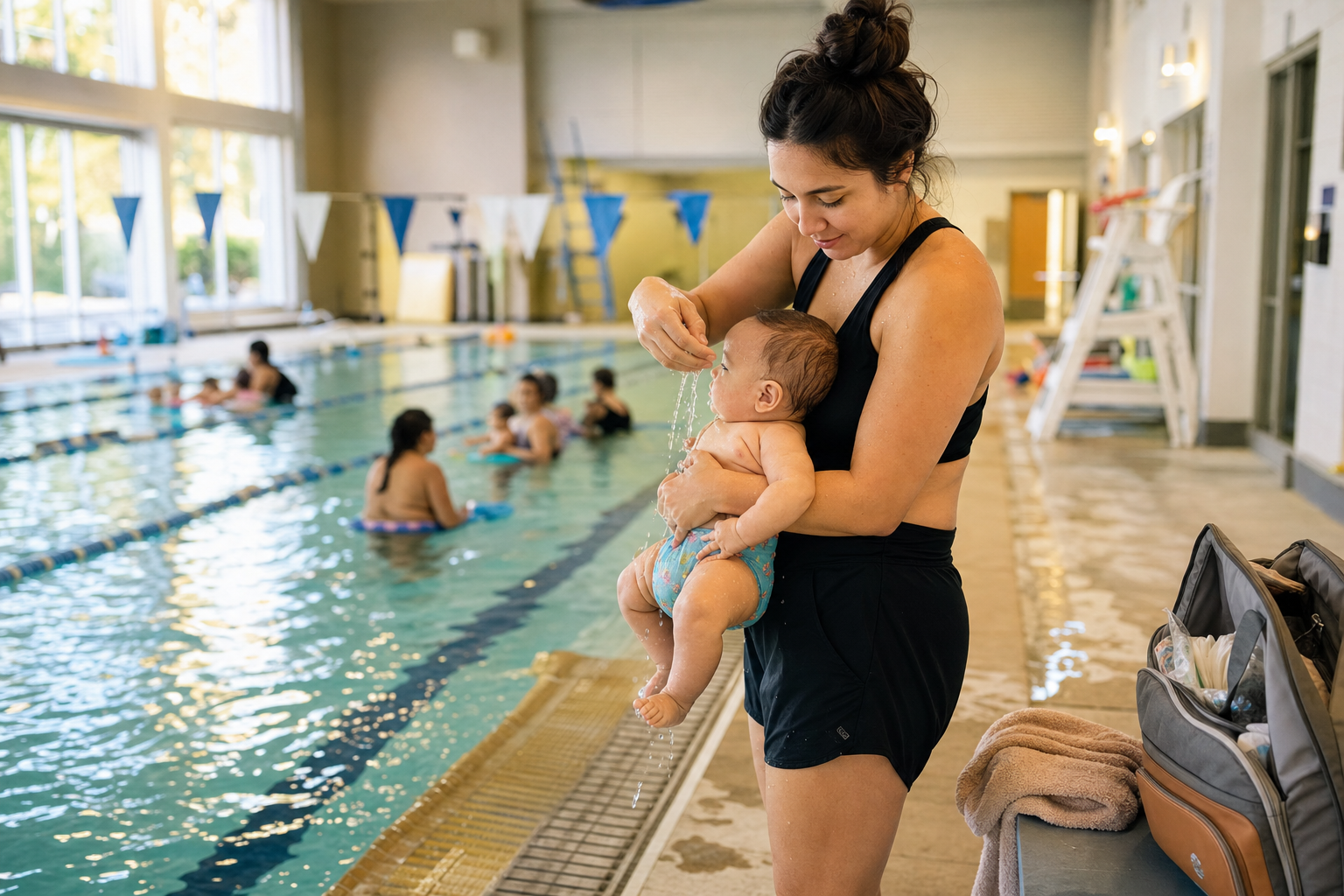
If your little one has visible baby acne or mild facial spots, you probably want to know straight away: Do these mean swim plans need to change? In most cases, no. Baby acne—also known as neonatal or infantile acne—is common in babies aged about 3 weeks to 6 months and usually harmless. The tiny red bumps, whiteheads or blackheads are triggered by hormones and overactive oil glands, especially on cheeks, chin and forehead. It often clears up on its own without treatment. (pregnancybirthbaby.org.au)
However, pool water, especially with chlorine, can irritate delicate skin or mimic rashes. Knowing when to let your baby swim, what to look for afterward, and how to care for their skin after swimming will help you enjoy pool days without worry.
What to Watch Before Letting Baby Swim
Any small facial acne or pastel spots usually won’t stop a swim. But pause and consider skipping water time if you spot signs of infection: spreading redness, swelling, yellow crusting, open or raw skin, or if there’s a fever. Those are warning signs that need medical advice. Baby acne normally appears without these symptoms. (pregnancybirthbaby.org.au)
Another thing to check: is the skin irritated after a previous swim? Chlorine and disinfectants may sting or dry out sensitive skin. If previous pool days brought flare-ups, itching, or redness, treat more carefully. Also watch out for illnesses spread through shared water; proper pool sanitation matters. (cdc.gov)
Distinguishing Baby Acne, Chlorine Irritation, Eczema and Infection
Sometimes spots aren’t acne but heat rash, eczema flare, or even an infectious rash. Baby acne typically has red bumps or whiteheads without much moisture, itchiness or ooze. Eczema tends to be red, scaly and itchy, often in bends, cheeks, or where clothing rubs. Chlorine irritation may sting or burn, and may dry skin rather suddenly after time in the pool. Infection looks worse: yellow crust, weeping, spreading, or accompanied by fever. If it looks like infection, stop pool use and see a clinician. Trusted sources like the Australian baby care guidance emphasize diagnosing baby acne versus another condition. (pregnancybirthbaby.org.au)
If you want a structured way to build water confidence at home, the 10-Week Plan guides you step by step.
Pool Care Tips When Baby Has Acne or Spots
You don’t need to cancel the pool; just plan ahead. Applying a fragrance-free, thick moisturizer or barrier ointment before swimming can protect the skin against drying pool water. Right after leaving the water, rinse with cool to warm plain water (not hot), use a gentle cleanser if needed, and avoid scrubbing. Pat dry gently and apply moisturizer while skin is still damp. These steps help reduce the risk of irritation from chlorine or saltwater. (aad.org)
[[ctababy]]
Also, avoid harsh soaps, bubble baths, or scented products around swim time. Use swim diapers correctly, don’t let water sit in fabric, and change damp swimwear quickly. Pools may also transmit “swimming-related illnesses”—many rashes come from bacteria or poorly maintained chlorination. If the skin rash after swimming is mild, treat as irritation. If worse, contact your pediatrician. (nyc.gov)
When Acne or Spots Should Change Swim Plans
If baby develops fever, spread of redness or swelling, open sores, painful bumps, or signs of infection during or after swimming, take a break from the pool and seek medical help. Also skip swimming if eczema is in a severe flare, with raw/oozing skin. Baby acne alone without these symptoms usually doesn’t require you to stop pool time.
Some healthy skin-care approaches can help avoid flare-ups and keep your baby enjoying the water well. Combining gentler pool exposure, frequent rinsing, good moisturizing routine, and observing how their skin reacts helps parents find what works. (aad.org)
How to Rinse and Dry Skin Gently After Swimming
First, immediately rinse off all skin with fresh clean water once you leave the pool. Use a mild, fragrance-free cleanser if chlorine smell remains, but don’t overdo washing—baby acne doesn’t improve with harsh soap. Warm water, gentle touch. Then pat the skin dry with a soft towel; avoid rubbing, which can irritate delicate skin.
While the skin is still slightly damp, apply a bland, unperfumed moisturizer or emollient to seal in moisture and restore protective barrier. If there have been dry spots or eczema tendencies, use a thicker ointment or cream. For swimwear and towels, wash them right away with mild detergent, and avoid letting wet swimwear stay on long. Changing into fresh soft clothes helps prevent irritation. (sivuh.ie)
When to Ask a Clinician
If baby acne doesn’t improve over several weeks, especially past 3-6 months, or if blackheads or larger pimples appear, you may want to call your pediatrician or dermatologist. Also reach out if acne coincides with fever or swelling, or if spots seem infected, painful or spreading. If you’re unsure what type of rash it is—be it acne, eczema, chlorine reaction, or something contagious—paper evidence like rash photographs can help.
Final Thoughts: Pool Days Needn’t Wait for Perfect Skin
Visible baby acne or mild facial spots almost never need postponing your pool fun. With good observation, safe skin care before and after swimming, and focus on avoiding infection, most babies enjoy water just fine. Trusted safe swim programs, like the 10-Week Plan from swimy.org, can help you get your infant into regular water exposure in a confident, gradual way. Just remember: if you ever see fever, spreading redness, oozing or raw skin, put swimmer aside and see a clinician to keep your baby safe.
120+ swimming exercises sorted by age — with video and instructions. Developed by swim instructors, completely free.

120+ swimming exercises sorted by age — with video and instructions. Developed by swim instructors, completely free.