Modest Swimwear for Girls: Lesson-Ready and Safe
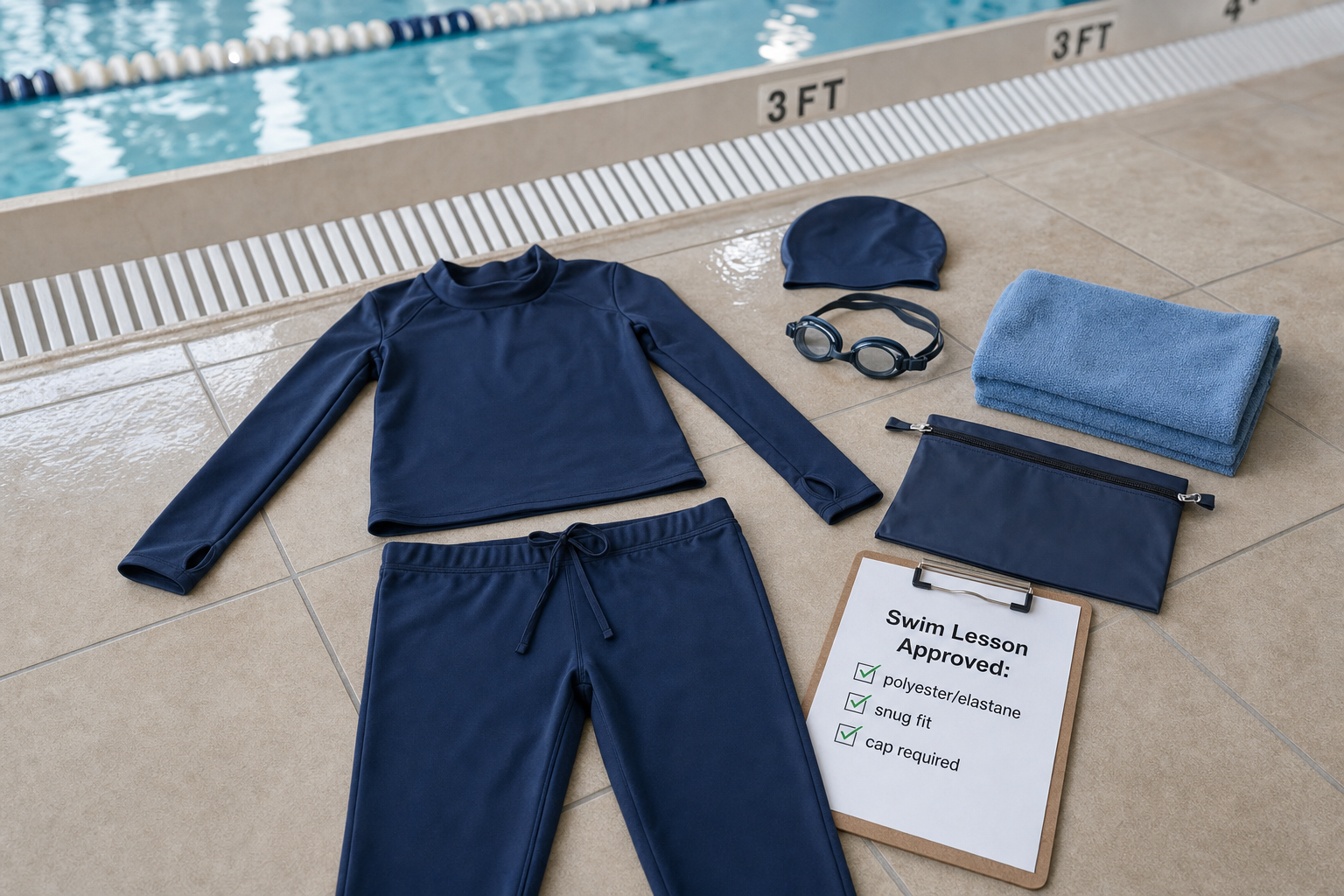
When choosing modest swimwear girls lessons, the most urgent concern is how clothing can affect both safety and skill-building in the pool. For girls aged 3-12, it’s essential swimwear fits properly, uses purpose-made swim fabrics, and aligns with pool or school policies well before lesson day. Get decisions right up front—these choices can make swim lessons far more comfortable and help children stay focused on mastering floats, strokes, and confidence in water.
What to Look for: Fabric, Fit, and Practical Features
Fabric matters more than style when it comes to modest swimwear that works for lessons. Swimwear made from polyester, polyamide (nylon), or blends with elastane (Lycra or Spandex) resists chlorine, dries quickly, and maintains shape in water. When wet, cheaper fabrics like cotton stretch, sag, or become transparent, which can distract the child and violate pool rules. Designers of high-performance modest swimwear recommend avoiding "dressy" fabrics; instead select tightly woven synthetics that offer UPF 50+ protection and opacity even when soaked. (splashabout.com)
Fit must be snug but not restrictive. For ages 3-12, this means true-to-size in bottoms, maybe going up one size on tops if coverage or modesty is a concern. Loose tops or long skirts can trap water, create drag, and make kicking or streamlining much harder. Swim instructors often report that loose suits slow progress because kids focus more on keeping their clothes in place than on learning how to float, paddle, or breathe. (raisingarizonakids.com)
Practical features like thumbholes, high necks, adjustable waist drawstrings, fully lined panels, secure zips, and detachable hoods (if included) are especially helpful. Rash guards, swim leggings, and caps can add coverage without compromising mobility. These features help avoid loose or baggy components that may snag, ride up, or distract from lessons. (noorawear.com)
How to Balance Modesty with Swimming Performance
Every additional layer or loose fabric increases drag. In swimming, drag is resistance from water—it slows down movement, makes kicking harder, and can lead to fatigue quickly. Long sleeves, skirts, and flowing hoods worsen frontal drag, even for beginners, which means more effort is needed for basic skills like gliding. (swimswam.com)
Purpose-made modest swimwear blends now use water-repellent or quick-dry finishes to reduce weight once wet. Fabric weights around 200-210gsm are chosen to be opaque yet lightweight, often with hidden tabs to keep tops secured to bottoms so nothing floats awkwardly during kicks or strokes. (vista-clothing.com)
If you want a structured way to help your child progress at home, the 10-Week Plan guides you step by step.
One real-life tool that helps many families is learning through structured lesson plans like the 10-Week Plan by swimy.org, which emphasises minimal distractions and proper swimwear in early classes. This kind of plan often includes guidance on attire. You may find that swim schools sometimes include dress practices within such plans to allow kids to try different swimsuits in class and find what works.
[[ctakid]]
Checking Pool, Swim School, and School Policies in Advance
Don’t assume your pool allows a burkini or full-coverage suit. Rules vary widely, even between branches of the same swim school. For example, the University of Houston explicitly allows religious swimwear such as burkinis, provided it is made of appropriate water-safe material and is not transparent. (uh.edu)
In the UK, places like the Oxford Swimming Academy ban bikinis for lessons and require fitted swimsuits or fitted rash-vest top and bottoms for girls. Baggy shorts or loose pieces often aren’t allowed because they hinder movement. (oxfordswimmingacademy.co.uk)
Australia swim schools often prohibit cotton T-shirts, street clothes, or underwear in the pool. Light-weight, chlorinated-safe swimwear and swim caps are standard requirements. (cmaquaticcentre.com.au)
Before lessons begin, call or email with these questions: What swimwear styles are allowed? Are boardsports-style shorts or swim skirts permitted? Are head coverings or swim hijabs acceptable if they are made from swim-safe fabric? Do children need fitted costumes or rash guards? Is a swim cap required? Clarify what counts as “loose,” “fit,” or “modest” in that facility.
Mistakes to Avoid
Using cotton layers, heavy skirts, or loose clothing layers like hooded sweatshirts to cover up can seem modest, but in reality these items soak up water, drag, stretch, and may breach hygiene or safety rules. Oversizing tops or bottoms beyond what “feels modest” might be tempting, but the swim lesson environment amplifies looseness due to water and motion. Loose functions on land often become problematic in water.
Also avoid swim outfits with hoods, long scarves, or loose drapes unless they are secure and classified as religious swimwear under that facility’s rules. Unclear or unlabelled “burkini-style” or “modest swim set” products should be tested for swim purpose (tag should say swim-wear material, not cotton, mesh, or everyday fabric).
Making It Work: Comfort and Confidence During Lessons
Comfort means nothing rides up, straps stay down, fabric doesn’t stretch oddly, and the child can see and use all limbs freely. Skin-contact areas like underarms, seat, neck should allow full motion. Lightweight rash guards protect shoulders and chest, swim caps keep hair out of the way, reducing pulling while turning the head or diving.
Confidence comes from knowing the swimwear stays put, isn’t revealing, and feels like part of the gear—not a distraction. A child who is not tugging or adjusting her swimwear can focus on floats, breathing, and fun. Parents can help by having their child practice in the swimwear at home first or in shallow water to test movement.
Final Thoughts
A girl aged 3-12 needs modest swimwear that passes four tests: purpose-made fabric (polyester, polyamide, elastane blends), snug but non-restrictive fit, minimal drag, and compliance with facility or swim school rules. Once you choose such swimwear, double-check policies ahead of time, include a swim cap or rash guard if needed, and avoid cotton or loose extra skirts. With those pieces in place, your daughter can learn without distraction, stay safe, and enjoy her time in the water—without compromising modesty or performance.
120+ swimming exercises sorted by age — with video and instructions. Developed by swim instructors, completely free.

120+ swimming exercises sorted by age — with video and instructions. Developed by swim instructors, completely free.