Neoprene Caps, Socks & Gloves for Kids: Warmth Without Risk
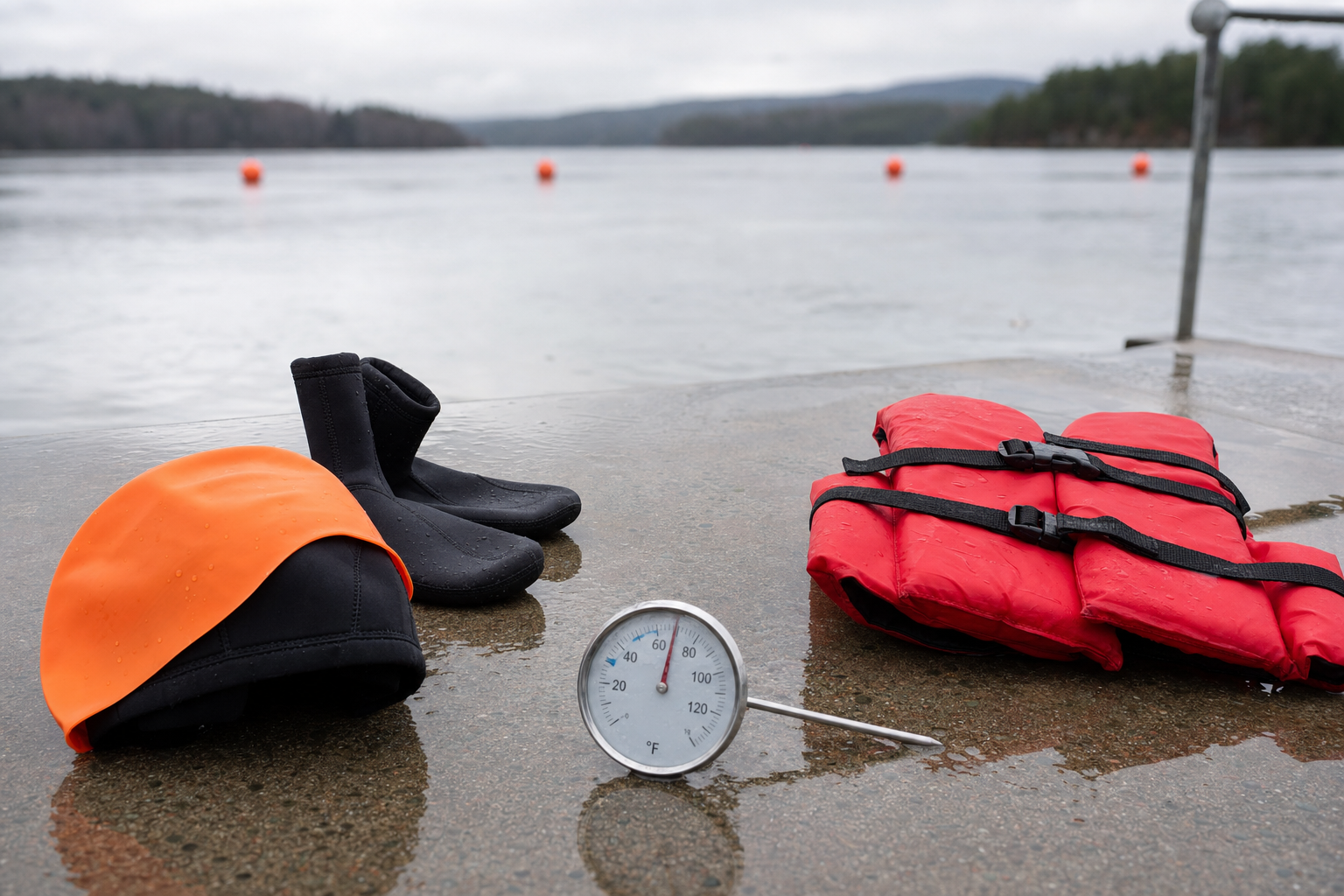
When the water dips into chilly territory—say in early spring, late fall, or in cooler climates—kids aged 6–12 often push to stay in just a little bit longer. Neoprene gear can make short swims happy and safe without rushing into a full wetsuit. Let’s dive into what works best, what rules to watch, and how to make sure your child is warm without compromising safety.
What Parents Need to Know First
A kids neoprene swim cap can make a huge difference. It retains heat far better than silicone or latex caps, which are typically worn in warmer pools. According to a guide from SwimOutlet, “neoprene caps are essential” for open water swims in cooler conditions because a big chunk of body heat escapes through the head.(swimoutlet.com) But note: many swimming competitions do not allow neoprene caps or thermal materials unless certain temperature thresholds are met or unless the event is open water.(swimming.epicsports.com)
Pair that cap with thermal swim socks for children and gloves when water is especially cold (mid-60s °F / around 18 °C and below). For example, 2mm neoprene socks can protect toes and help prevent blisters caused by fins.(swimmerliving.com) Well-fitted 2mm gloves let fingers stay functional for grabbing ladders, float devices, or paddle handles.(swimmerliving.com)
How to Size Neoprene Gear Right
Fit is critical. A cozy fit traps a thin layer of water warmed by the body—too loose and cold water flushes out, too tight and circulation suffers. For caps, choose ones marked “youth,” “junior,” or measure head circumference. Silicone youth caps often fit cleanly without tugging.(swimoutlet.com) Socks and gloves need snug but not compressing fit; fingertips should reach the end without loose bunching that lets in water. For socks especially, Blue70 warns that thick neoprene with a poor fit feels worse than thinner neoprene that fits well.(blueseventy.com)
When to Use Thermal Add-Ons Instead of Full Wetsuits
When water temperatures are between about 65–70 °F (18–21 °C), a kids neoprene swim cap plus 2mm socks or gloves might be enough for a supervised outdoor pool or open water session. Push into the 55-60 °F (12-15 °C) range and you’ll want a full wetsuit, booties, gloves, and cap.(swimmerliving.com) The goal is warmth so they last in the water, not risking cold-weather stress or hypothermia. Wind chill, time in water, and air temperature all affect how quickly a child loses heat.
Rules and Safety: What Is Allowed Where
Here’s where rules really matter. USA Swimming and World Aquatics set specific regulations. In sanctioned open water competition, heat-retaining garments including wetsuits and neoprene caps are only allowed or required when the water temperature falls below certain limits.(studylib.net) If water temp exceeds 78 °F, heat-retaining suits or neoprene caps are typically prohibited.(clubassistant.com)
If preparing for structured progress or skill building, the 10-Week Plan at swimy.org offers training that often starts in cooler pools or open water. They suggest using partial warmth gear early and gradually adding or removing layers as your child’s confidence and exposure grow. This plan mix fits well with using thermal caps, socks, gloves without rushing into a wetsuit that might restrict stroke technique. swimy.org/10-week-plan
[[ctakid]]
Caps also have visibility rules: in many open water races, each side of the cap must display a country code or name, and sometimes wetsuits or additional caps are restricted.(resources.fina.org) Always check the meet announcement—use of neoprene caps may require an extra layer like a bright silicone cap over the thermal cap to improve visibility.(swimmerliving.com)
Importantly, thermal add-ons are for warmth—not flotation. Never treat gloves, socks, or thermal caps as safety gear for buoyancy. For activities in open or natural water, approved life jackets or U.S. Coast Guard-approved PFDs must still be used if required. The CDC emphasizes that water wings or floaties are not substitutes for life jackets, especially in open water.(cdc.gov)
Why Bright Silicone Caps or Approved PFDs Beat Thermal Flaps
Even when using neoprene caps or thermal layers, visibility is non-negotiable. A high-visibility silicone cap over a darker neoprene one makes your child easy to spot from shore or by boat. During competitions, rules often require visibility markings.(resources.fina.org)
Approved PFDs come into play for non-competition open water sessions, especially when you're supervising children but they won’t stay in controlled zones. Thermal gear helps maintain comfort; PFDs protect life. Even if short swim sessions are soothing, water conditions can change quickly.
Experience in Action & Tips for Parents
When my daughter was eight, we frequently did shoulder-season lake swims in autumn. She wore a 3/2mm wetsuit in early October, but as soon as water warmed to 70 °F by late spring we switched to using a rated neoprene swim cap paired with gloves and socks. We saw her stay in for an extra 15–20 minutes happily. One overheating day she removed the neoprene cap and swapped to a bright silicone one—still warm, visible, and compliant with our local open water event rules.
Common Pitfalls
A poor fit is top of the list. Loose neoprene in gloves or socks fills with cold water and feels worse than none. Over-tighting stanches circulation, especially in fingertips and toes. Also important: thermal gear is not allowed in all competitions, so unexpected disqualification can happen if you don’t check rules beforehand. Some events limit type, thickness, number of caps, types of material.(swimming.epicsports.com)
Another pitfall is assuming these items are safety devices. They are not flotation aids. Only use approved life jackets when required. And if visibility is compromised (dark neoprene, overcast day, rough water), always use bright silicone overlays or reflective trims as added visibility.
Bottom Line
Thermal swim gear—neoprene caps, gloves, socks—can help school-age kids aged 6–12 swim longer and happier when water gets cool. For shoulder seasons or cool climates, this isn’t about performance so much as comfort so they want to stay in. Fit gear well, know the rules for competitions, and always pair warmth with visibility and proper safety gear. With these pieces in place, cold water doesn’t have to send everyone dry and shivering.
120+ swimming exercises sorted by age — with video and instructions. Developed by swim instructors, completely free.

120+ swimming exercises sorted by age — with video and instructions. Developed by swim instructors, completely free.