Pool Water Temps for Kids: Comfort Without Chills (82–86°F Guide)
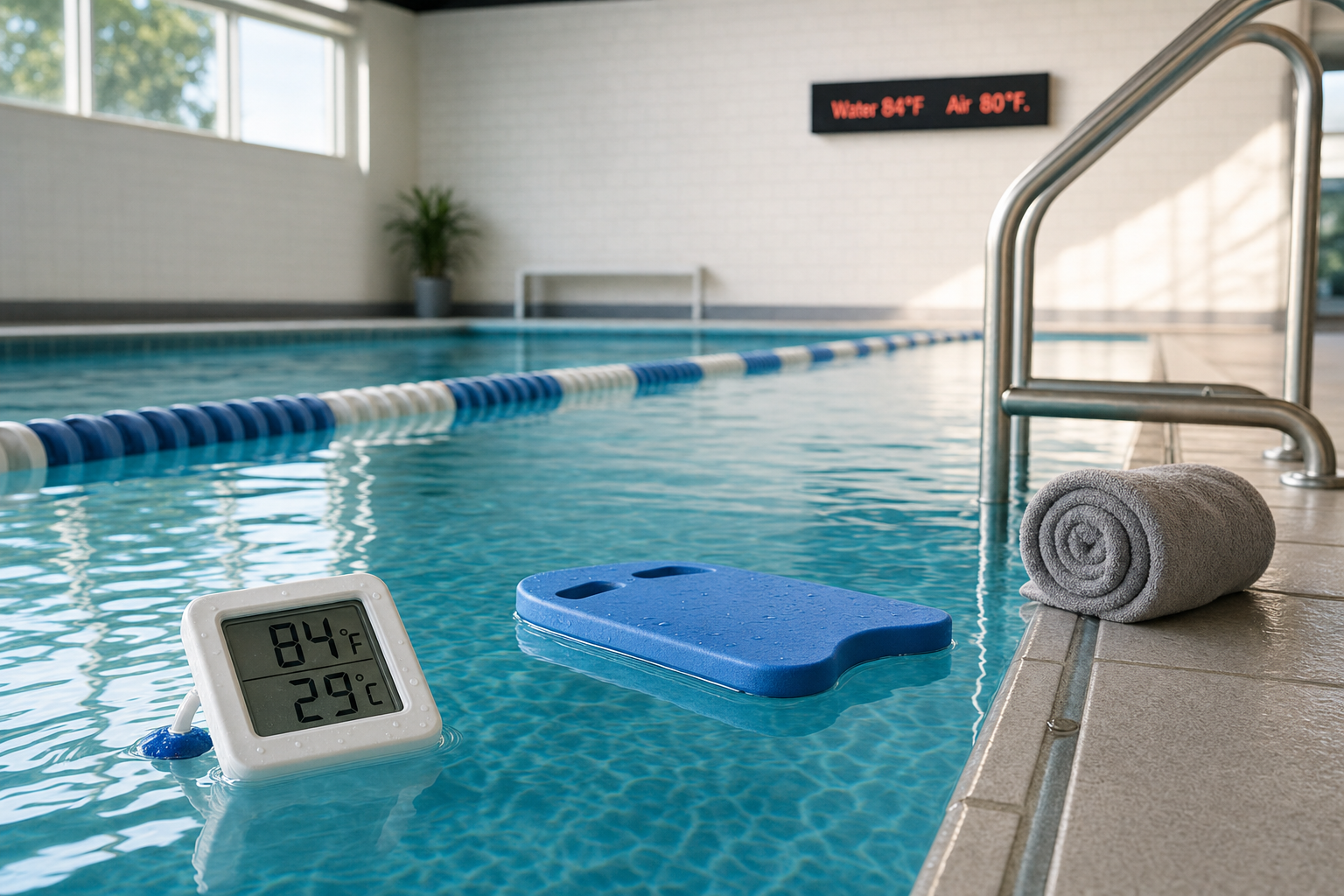
When your 5- or 10-year-old is learning to swim or practicing strokes, the right pool temperature matters more than most parents realize. For kids ages 3-12, that magic range is about 82-86°F (28-30°C). That’s warm enough to avoid chills yet cool enough for active swimming without overheating. According to the Model Aquatic Health Code (MAHC), 83-86°F (28-30°C) is ideal for children’s fitness and swim lessons. (cdc.gov)
What Pool Temps Work Best for Lessons and Practice
Kids build confidence faster when the temperature supports both comfort and performance. The MAHC confirms that 83-86°F (28-30°C) works well for most learn-to-swim classes and practice sessions. (cdc.gov) If the lesson is shorter (≈30 minutes) or very active, slightly lower in that range may be okay; longer classes or less active drills might need the warmer end. The American Red Cross suggests that for children ages 6-15 doing 30-45 minute learn-to-swim lessons, water should be at least 84°F (≈29°C) to prevent excessive drop in body temperature. (redcross.org) So when you ask the facility "What's the best pool temperature for kids?" they should be able to tell you this range.
One useful strategy for swim instructors to build skills over time is the 10-Week Plan from swimy.org, which gradually increases technique and endurance while keeping the water in that comfortable zone. Children stay happier when they aren’t cold during rest breaks or waiting in line—that scheme helps manage both of those.
Recognizing When a Child Is Too Cold
Even with perfect water, kids can get chilly if conditions aren’t just right. Shivering is the most obvious sign—but also look for pale skin, blue lips or fingertips, complaints of being cold, slow strokes, or lack of energy. According to CDC guidelines on recognizing hypothermia, signs include shivering, exhaustion, or clumsy movements when someone is exposed to cold water. (cdc.gov)
If you want a structured way to help your child progress at home, the 10-Week Plan guides you step by step.
Parents often miss coldness creeping in during idle time: when a child is sitting on the deck between group drills, or during transition from water to changing room. Chores like fetching goggles or waiting in line can feel small—but they allow core temperature to drop if the water or air is cooler.
[[ctakid]]
Simple Fixes to Keep Kids Warm and Focused
Sweatshirts don't do much wet—but these steps make a real difference. First, always have a parka or warm, dry robe ready for when kids exit the water. Even a short 60-second wrap around the shoulders helps retain warmth. Keep quick towel swaps handy: one towel from the deck for the arms-out-of-water time, another for full dry-off.
Minimise long idle periods in group classes—ask the instructor: is there warm-up movement between drills ("scooping" arms, kicking) to keep them active? If deck surface is cold or wet, ensure warm footwear or pull a child into shade that’s away from drafts.
Also avoid hot tubs for lessons or long play sessions. Pool temp above 104°F (40°C) is unsafe for kids, especially under age 5. Hot water risks include overheating, drowsiness, and even loss of consciousness. (cdc.gov)
How Should Parents Ask Facilities About Temperatures?
Before registering for classes, it’s fine to call or visit the facility and ask clear questions: “What’s your pool kept at during a typical learn-to-swim class for 7-year-olds?” or “Do you post water and air temperatures?” A good facility follows MAHC or Red Cross guidance and usually has the water and air temp displayed. If not, observe the kids: are they smiling, moving smoothly, not shivering or complaining?
Also ask about lesson duration and structure: if classes are 45 minutes but only 25 are active, then your child might get cold. Be clear on rest times, waiting on deck during group work, and whether towels/parka are available poolside.
Summing Up: Comfort Without Compromise
When water stays in the 82-86°F (28-30°C) range, children ages 3-12 tend to stay warm, focused, and safe during swim lessons and practice. Spotting cold—shivering, slow movements, complaints—early lets you and instructors adjust rest breaks or layer up. Use gear like parkas and towels to seal in warmth after water, avoid over-hot spas, and always talk with facilities about posted temps and lesson structure. Keeping these in balance keeps lessons fun, safe, and productive—so your child learns without ever dreading getting in the water.
120+ swimming exercises sorted by age — with video and instructions. Developed by swim instructors, completely free.

120+ swimming exercises sorted by age — with video and instructions. Developed by swim instructors, completely free.