No-Locker Pool Packing for Babies: A Minimalist System That Works
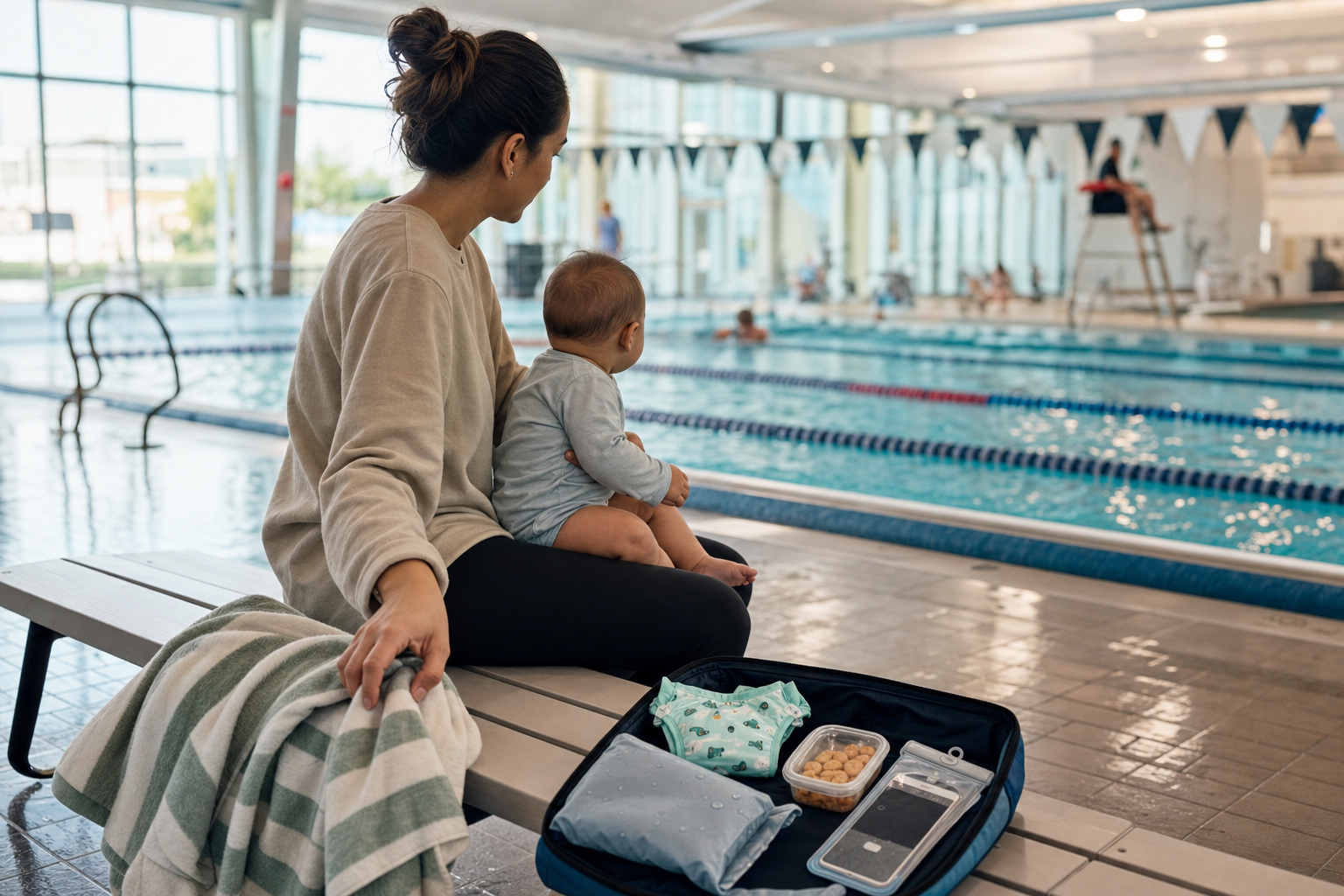
If you’re at poolside with a baby aged 0–36 months and there’s no locker available, what you pack and how you pack it can make all the difference. Here’s everything you need to know to avoid wet-bag chaos, keep transitions calm, and always have one hand free for the baby.
What to Prioritize in Your Swim Bag
First, figure out the absolute essentials—these are non-negotiable. Start with a snug swim diaper or two, a well-fitting swimsuit (on the baby, and you if you’re getting in), and a hooded towel. Babies get cold fast once out of the water, so the towel needs to be nearby. Most swim schools require swim nappies for children under potty training age, and many pools won’t allow regular diapers in the water for safety and hygiene reasons. (waterwisekids.com)
Next, include a change of clothes (body, diaper, socks), a wet/dry bag to store soggy items, and wipes. These keep you from rummaging through a big soggy pile when you’re holding the baby. (rillieux-natation.com)
Safety tip: pack so that you can leave one hand free. For example, swim diaper over a regular diaper before leaving home helps avoid diaper changes with baby in your arms when you arrive. One mom-teacher says putting a regular diaper beneath swim diaper at home and peeling off the outer one poolside saves precious time for holding baby. (reddit.com)
What to Leave in the Car, What to Keep Poolside
Manage weight and access. Items you need only after swimming—extra clothes, lotions, dry diapers—can stay in your car until the final exit. That leaves poolside access reserved for things like one towel, a swim diaper, your baby’s snack, and anything else you’ll need hands-on.
Keep valuables, your phone, and your parent change of clothes tucked away in a small zipped compartment or a waterproof stuff pouch. Wet phone distractions are a top pitfall. Frequent phone-fishing while trying to dress a wet baby wastes time and energy.
Bringing more than two towels often creates clutter and drags. Most guides recommend two towels maximum: one to lie the baby on when changing, and one to wrap them in when leaving the water. More than that becomes hard to manage, especially when space is tight. (infantswim.com)
Quick-Pack Strategy: Essentials + Extras
Here’s a way to organize the swim bag so everything flows smoothly. Imagine three zones inside your bag: “In-hand”, “Poolside easy reach”, and “Car stash”.
“In-hand” (for carrying into the changing room): baby swim gear (swim diaper, suit), one towel, wet/dry bag. “Poolside easy reach” (opened while on deck): wipes, a dry spare set, snack, something to cover baby if drafty. “Car stash” (left until after pool): fresh clothes, moisturizer, full diaper supply, parent change of clothes.
[[ctababy]]
Around midway through mastering swim lessons, many families use programs like the “10-Week Plan” of swimy.org to build a rhythm around which items you consistently need. That lets you pare down the bag over time. https://www.swimy.org/10-week-plan
Common Pitfalls & How to Avoid Them
Overpacking is an easy trap. If something goes unused more than twice, it probably doesn’t need to be there. For example, fancy pool toys often stay dry in the bottom of your bag.
An inaccessible dry diaper is another frequent mistake. If it’s buried under pool towels or your jacket, you’ll be stretched trying to swap it out. Always have at least one spare diaper and changes easily reachable.
Wet-phone distraction: avoid placing phone at top of bag where water can drip in. Or keep it in its own waterproof pouch—outside of reach unless necessary.
Forgetting a parent change of clothes: this shows up regularly. Even if you don’t plan to shower poolside, you’ll likely want a dry shirt, underwear or shorts at least. When you’re dripping wet and changing under pressure, a dry spare set simplifies immediate comfort.
Benefits for Baby & Parent
For the baby, smoother transitions mean less crankiness. Being wet, cold or overtired leads to tears. Having towel, dry clothes, and warmth ready right after the pool helps keep things calm. When you have all that organized, babies settle faster, feel safer, which improves learning and comfort in the water.
Parents gain confidence and efficiency. You’ll waste fewer minutes rifling through bags or juggling items mid-lesson. That frees up one hand for the baby and reduces stress for both of you. Over time, packing becomes almost automatic—less chaos, more connection.
Final Checklist: What to Bring When You Don’t Have a Locker
Here’s the minimal essential kit you need poolside when there are no lockers. Swim bag must include: a snug swim diaper, swimsuit/trunks for baby (and you if needed); hooded towel; a spare dry set (clothes and diaper); wet/dry bag; wipes; snack or water bottle; parent change of clothes; valuables sealed in waterproof pouch.
Never leave the baby unattended while sorting bags. Organize everything in advance where one hand can stay on them—on the car seat, bench, or with your body. This answers “baby swim bag checklist”, “what to bring baby swimming”, and works even for “baby swim lessons no locker” situations.
Mastering a minimalist, no-locker pool routine takes planning and practice. But once you set it up, your baby experiences faster, calmer transitions and you carry only what you really need—no more wet chaos or forgotten essentials.
120+ swimming exercises sorted by age — with video and instructions. Developed by swim instructors, completely free.

120+ swimming exercises sorted by age — with video and instructions. Developed by swim instructors, completely free.