Pool Looks Shallow? Teach the Refraction Trick
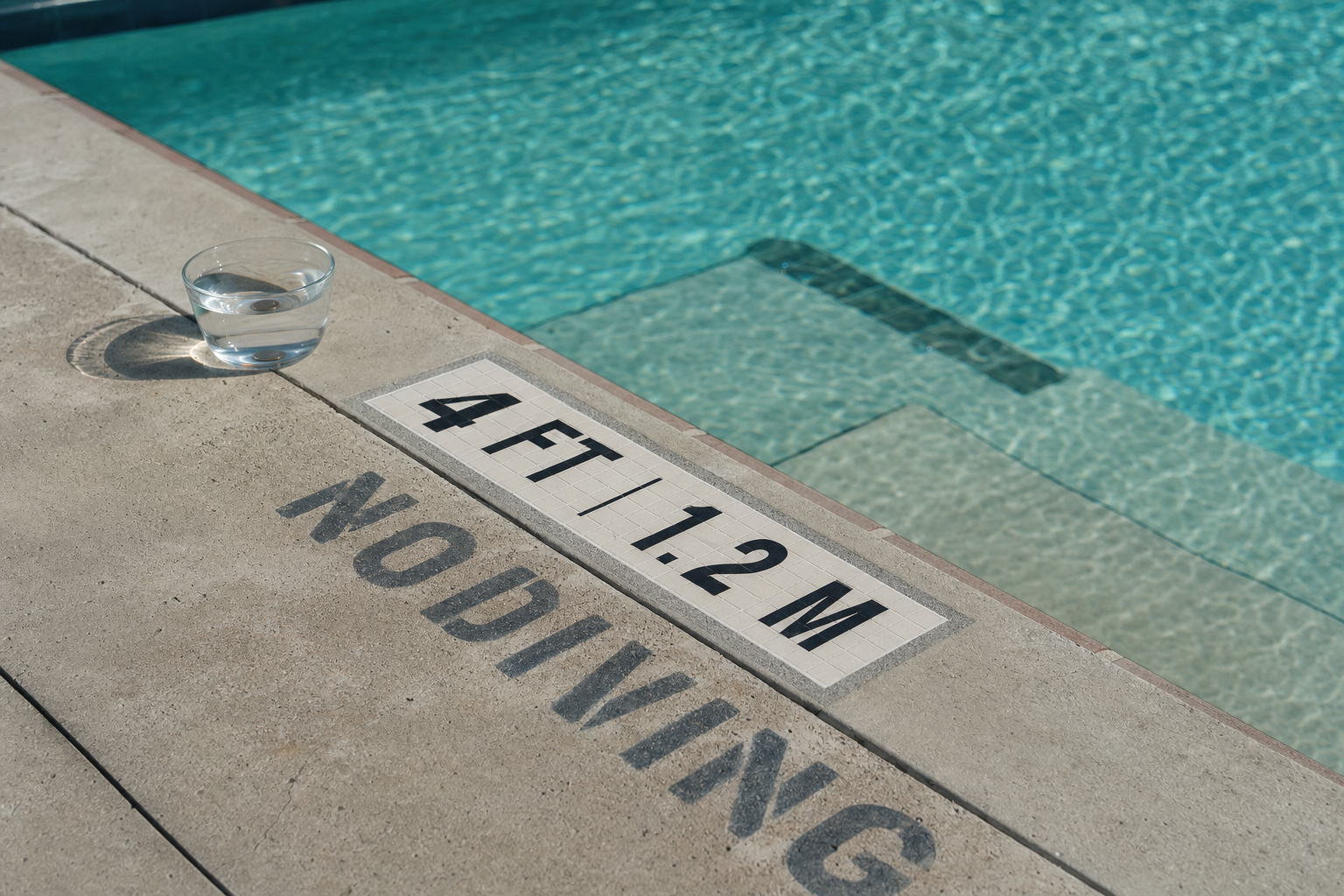
When water is crystal clear, your eyes lie. Sunlight bends as it passes from air into water—a physics effect called refraction—making the bottom look much closer than it really is. Pools often appear shallow, even when they’re deep, because light rays bend away from the normal at the surface and our brain misjudges. For example, a pool that is actually two meters deep may look only 1.5 meters deep from above. That illusion can trick anyone—especially kids—into thinking it’s safe to jump or dive. (scienceinsights.org)
If your child thinks they can dive in just because the water looks inviting, teeth first into big trouble. The most important lesson is: don’t trust your eyes; trust the posted depth markers and obey “No Diving” signs.
Why the Water Tricking Your Kid Matters
Refraction isn’t just fun science—it’s a safety concern. Even experienced swimmers misjudge depth because of that light-bending effect. The water “flattening” everything below makes the shallow end look deeper, the deep end look shallow. Hitting the bottom with your head due to a misread can cause serious spinal or brain injury. “Feet-first first” isn’t just a teaching tool—it’s a lifesaving rule. Sources such as the American Academy of Pediatrics stress “no diving in a pool that is not deep enough” and insist on feet-first entries until the child is formally taught to dive safely. (healthychildren.org)
Kitchen-Table Demo: How to Show the Illusion
You can prove refraction at home or poolside. Fill a clear transparent container with water and drop a coin in the bottom. From above, the coin seems higher than it actually is. Angle your view and watch the apparent depth change. You can also use a kitchen table, clear bowl, water, and objects—this hands-on demo makes it clear to 6- to 12-year-olds that what they see can’t be trusted. After this simple experiment, introduce the posted depth markings by comparing what the depth sign says versus what the coin seems.
Poolside Checks for Parents and Teachers
When you get to the pool for school swim units or summer weekends, begin with a safety routine. Walk the deck together and hunt for depth markers and “No Diving” zones. By teaching children to spot these and explain them in their own words, you cement safe habits. Pool safety scavenger hunts work well for this age. (swimy.org)
If you want a structured way to help your child progress at home, the 10-Week Plan guides you step by step.
Pause before entering: ask your child to slow down at the edge. Let them read the number painted or tiled there. If it says “4 ft” or “1.2 m,” that depth is correct—not what it looks like. Make “feet first” entries until someone confirms it’s safe to dive, and even then only into deep water as indicated. This rule protects the head, which is vulnerable in shallow water.
[[ctakid]]
Connecting to Swimming Lessons and Skills
Swimming lessons are more than strokes—they teach safety. Refraction can be tied into reading skills: decoding numbers, signs, symbols. It aligns with water safety curricula. In the US, for example, swim lessons for children 4 and older are widely recommended, and instructor-led lessons increasingly include entry-and-exit drills, reading depth, understanding pool zones. (healthychildren.org)
For a more structured plan, parents and teachers can incorporate the 10-Week Plan from swimy.org. This helps beginners gradually learn what depth markers mean, practice safe entries, build confidence about what “feet first” really means, and only then learn diving under supervision when the depth is clearly marked and known safe. By mid-way through summer or a school swim unit, children who follow this plan recognize the risks of relying on looks.
Rules That Stick and Common Pitfalls to Avoid
Here are some rules you should always teach, and mistakes you must watch out for. Rule one: Always read the depth marker. The number is your friend—ignore any illusion your eyes are trying to sell. Rule two: “Feet first, every time,” until diving is explicitly allowed and properly taught. Rule three: Follow all “No Diving” signs, especially in the shallow end, off the sides, or in above-ground or small pools where depth is limited. (redcross.org)
A big pitfall: assuming a familiar pool is always safe. Pools change—renovations, landscaping, or liner shifts can alter depth edge or slope. Clear water can hide irregular bottoms, steps, or suddenly sloping sides. Another trap is assuming markup painted long ago still accurate. Help your child learn not to dive because they think they’ve done it there before—the rules protect against risk even in familiar places.
Putting It All Together for a Safe Swim Start
As summer begins or schools launch swim units, make this your first swim class or backyard rule session. Teach what refraction is with a simple demo; walk the pool deck together reading depths, locating “No Diving” zones; and practice entries feet first. Reinforce that reading depth markers is always safer than guessing. Lead by example: never dive unless you’ve confirmed the pool’s safe, and always enter feet first until conditions allow otherwise.
When your kids start believing they need to see the depth—reading the number—not trusting how it looks, you’ve built an important safety skill. Clear water may dazzle, but depth should always be defined by signs, rules, and good habits.
120+ swimming exercises sorted by age — with video and instructions. Developed by swim instructors, completely free.

120+ swimming exercises sorted by age — with video and instructions. Developed by swim instructors, completely free.