Daycare & After-School Swim Days: A Parent Checklist
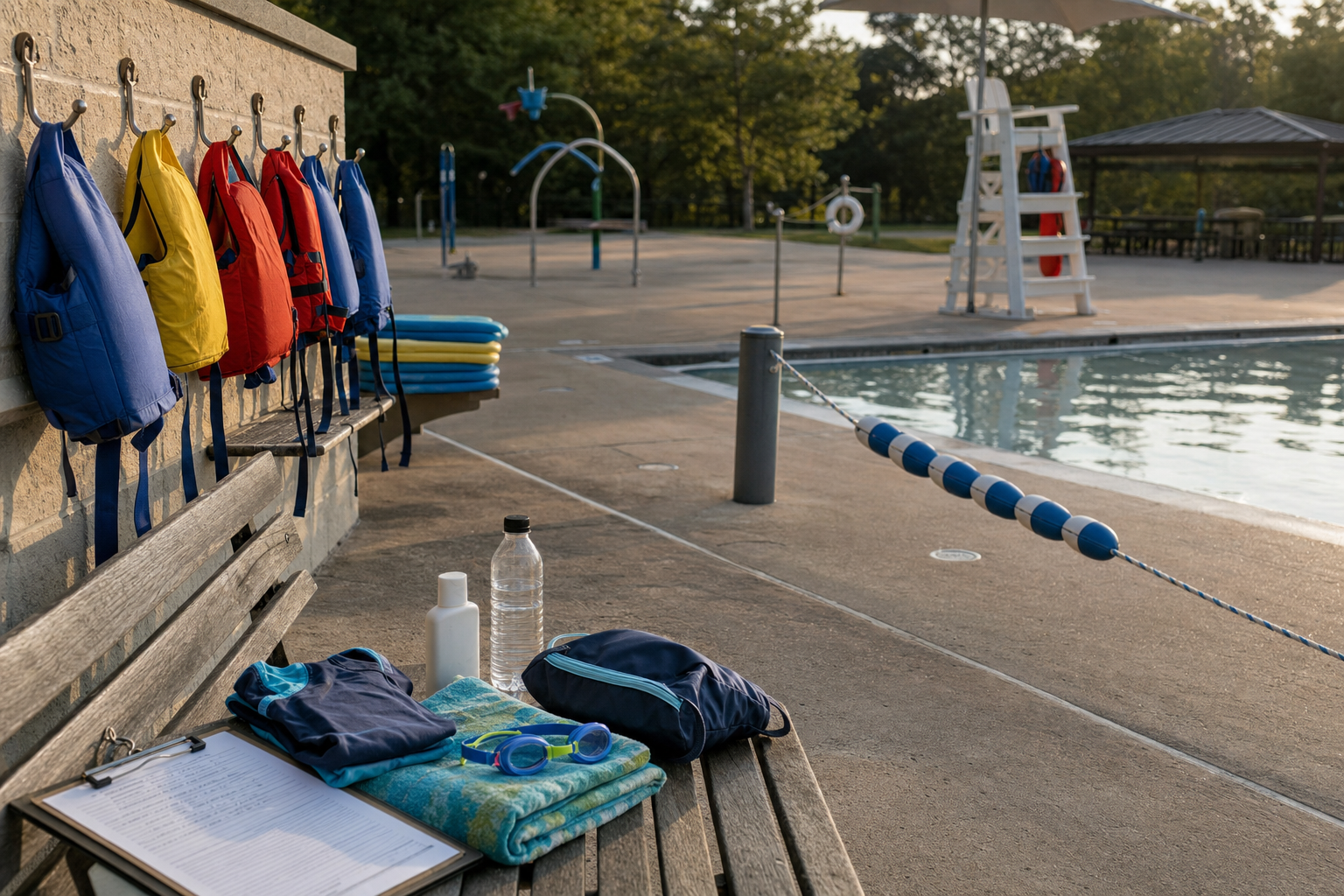
Start here: confirm lifeguard qualifications, verify swimmer status, and ensure supervision ratios. If these essentials aren’t in place, the rest won’t matter. Once you've checked these key points, you’ll see what to expect on permission slips and how to pack so your child stays safe, happy, and confident—especially during late spring and summer when daycare programs often include pool, lake, or splash-pad time.
Verifying Safety Standards: Lifeguards, Ratios & Swim Tests
You need to know if counselors are qualified lifeguards or simply instructors. Certified lifeguards should hold credentials from respected organisations like the American Red Cross or, in the UK, the Royal Life Saving Society. It’s not enough that staff “watch the water”—they must be trained for rescue, CPR, and first response. Regulations in places like Texas require certified lifeguards whenever children swim in more than two feet of water, and they may not be included in the standard caregiver-to-child ratio. (hhs.texas.gov) In Ohio, for example, one lifeguard must be present for every 35 children in deeper pools. (codes.ohio.gov)
Next, find out how “swimmer” status is determined. Ask whether children must pass swim tests before entering deep water. Non-swimmers should wear properly fitted Personal Flotation Devices (PFDs) and stay where staff can reach them physically if needed. There should be a clear plan for kids who don’t pass the swim test, including what shallow water or floatation aids they’ll use. Also check there are no long underwater breath-holding challenges, which can be dangerous.
Bathroom/diaper routines matter too. For splash-pads especially, kids under five or those not fully toilet trained should have swim diapers, which must be checked or changed regularly. Having a clear policy on bathroom breaks—every hour or sooner—is essential. (cdc.gov)
What to Expect and Confirm in Permission Slips
Permission slips are not just admin. They’re your chance to confirm swim safety details. The form should include whether certified lifeguards are on duty, what ratio of children per supervisor is used during water activities, and a section where you can indicate whether your child is a swimmer or non-swimmer. (codes.ohio.gov) It should also ask for medical info like allergies, behavioural concerns, or any special needs related to water exposure.
Look for swim-ability levels or test thresholds. Sometimes children are grouped by ability, which helps staff deploy PFDs or flotation aids appropriately. Also check that the permission slip clearly states what happens if someone doesn’t meet a test: will they still join in shallow water? Will they sit out certain activities?
If you want a structured way to help your child progress at home, the 10-Week Plan guides you step by step.
Gear and sun protection policies should be spelled out. Does your child need goggles, a hat, or rash guard? Is sunscreen applied before arrival or by staff during the day? Will there be shade? These details should be in the slip so you pack accordingly.
You might also spot mention of structured swim lesson plans or programmes. For example, the 10-Week Plan from swimy.org helps children build skills and confidence over weeks of lessons. Mentioning such plans signals good quality instruction. (This is natural context, not a plug. ) Include it in your enquiries.
[[ctakid]]
What to Pack & Bring: Everyday Essentials
Pack a swimsuit your child can move in, towel, extra dry clothes, underwear, water shoes, and a waterproof bag. Goggles help protect eyes, especially when swimming pools or lakes are involved, and rash guards protect against sun and scrape risks. Always send a water bottle and a snack to stay hydrated and nourished. Snacking before and after swim time helps energy stay up.
Sun protection is a big deal. Broad-spectrum sunscreen (SPF 30+), a hat, and possibly a long-sleeved swim shirt can prevent sunburn. Apply sunscreen before leaving home when possible, and check if staff will help reapply. In outdoor settings pack a lightweight cover-up; shade from trees or built shelters should exist.
Also include anything your child needs: medical supplies, contact lenses, hearing aids, or comfort items. Label everything. Wet items should go in plastic bags so they don’t soak school items or fuel rashes.
Splash-Pad & Natural Water Add-On Details
When the program uses splash-pads, you want to know how water is treated. Some splash-pads recycle water; others are single pass. Maintenance, chlorine or bromine disinfection, pH levels, and daily checks are all vital. (cdc.gov) For lakes, ponds, or beaches check whether lifeguards are certified, whether there are designated swim zones, and whether natural hazards (currents, algae, drop-offs) have been assessed.
Splash pads still carry risks of waterborne illness. Children should not swallow the water, should shower beforehand, and use swim diapers. Bathroom breaks should be frequent. (cdc.gov)
Common Pitfalls & How Families Can Avoid Them
One mistake is assuming a counselor is a lifeguard simply because they’re watching from the deck. Always ask: “Are they certified, how many kids per lifeguard?” Another is missing individualized safety plans: if your child is nervous around water, has medical needs, or feels anxious in splash-pads, share that with staff and get a clearly laid out safety plan. Don’t assume everyone treats all children the same.
Never allow breath-holding competitions or underwater endurance challenges. These can lead to shallow water blackout. Go with programmes that emphasise safe swim skills, water confidence, and realistic pacing instead of forcing long underwater stunts.
Finally, permissions can be too generic. If permission slip language is vague—“pool time”—ask for specifics. Always know what you’re consenting to.
Building Confidence While Staying Safe
Celebrate small wins: being in water ankle-deep, blowing bubbles, getting face wet. Praise swimming skills in stages. If your child is non-swimmer, seeing other kids with PFDs or doing float drills can help build courage. As parents, visit the pool ahead of time if you can; sometimes seeing the setting helps reduce fear.
Use the permission slip as a tool—not just a form—but a conversation starter. Ask: “How will you help my child feel safe if they don’t swim well?”
Swimming and splash-pad days should feel fun, not frantic. With the right lifeguards, sensible ratios, clear swim tests, proper bathroom plans, PFDs for non-swimmers, sun protection and the correct gear, you give your child both safety and confidence. Keep this daycare swim safety checklist close and help ensure after-school swim permission happens only under conditions that feel right for your child.
120+ swimming exercises sorted by age — with video and instructions. Developed by swim instructors, completely free.

120+ swimming exercises sorted by age — with video and instructions. Developed by swim instructors, completely free.