Potty Training and Swim Lessons: Essential Pool Rules Parents Need to Know
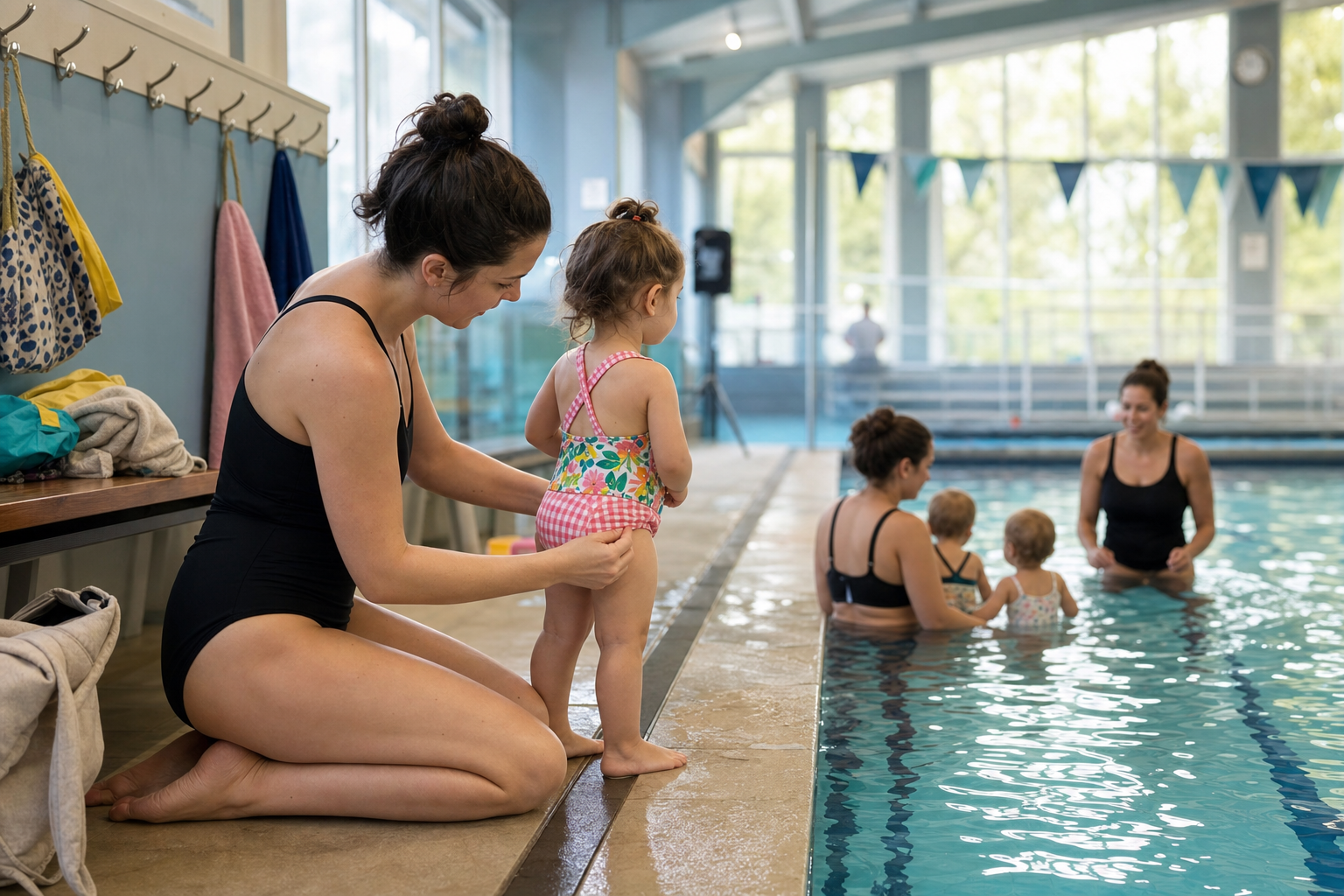
Swim lessons mix big progress with new challenges when your toddler (18-36 months) is partly potty trained but still needs swim protection. Understanding why swim nappies, timing, and class policies matter can save you stress—and avoid embarrassing pool mishaps.
Why Swim Diapers Are a Must—even if You're Potty Training
It’s tempting to think: “She uses the potty now, so regular diapers or none at all should be fine.” Unfortunately, regular diapers aren’t allowed in pools. They soak up water, balloon out, disintegrate, and pollute filters. Facilities typically demand swim diapers or swim covers to avoid contamination. For example, Philadelphia’s pool rules ban regular diapers outright and only allow “waterproof, snug-fitting swim diapers” specially designed for water. (phila.gov)
Swim diapers (disposable or reusable) are built to catch solid waste, not absorb urine or water. Regular diapers fail at this, and that can lead to health hazards—pools will close for hours if there’s a fecal accident without proper protection. (scienceinsights.org)
Even potty trained toddlers may still have accidents during swim lessons. Warm water, exertion, and the excitement of the class can trigger urges they aren't yet fully aware of. That’s why swim nappy rules often apply even if your child has recently been fully potty trained. (theswimlessonpeople.com)
How Class Policies Work: Two Layers, Age Rules, and Timing
Most swim schools have strict guidelines. Usually, children under age 3—or any toddler not fully potty trained—must wear two layers: a disposable swim diaper underneath and a reusable cover or “outer swim cover” over it. This double layer helps sealing at the waist and leg openings to better contain solids. (theswimlessonpeople.com)
For toddlers who are potty trained but under a certain age—often 3 or 4—many schools still require a swim cover until they reach the threshold age. For example, some places demand that all under-4-year-olds wear a cover even if they haven’t had accidents recently. That includes reusable outer layers designed to fit snugly around legs and waist. (seaotterswim.com)
Policies usually emphasize timing and toilet attempts. Bring your partially potty trained toddler to a real or pretend potty right before leaving for swim class, and go again once you arrive. Many instructors remind parents to use the bathroom immediately before getting into lessons. If you have to pick between two sizes of swim diaper, choose the smaller one for a tighter fit—it matters more than you think. (waterwisekids.com)
If you want a structured way to build water confidence at home, the 10-Week Plan guides you step by step.
Also, plan for frequent diaper checks—often every 30-60 minutes. Change immediately after any sign of a solid accident. Swim diapers are not leak-proof, especially when containing bowel movements. According to the CDC, swim diapers may help delay germs from solid stool getting into water, but they are not fail-proof or effective for diarrhea. That means no swimming when the child has had diarrhea recently. (beta.cdc.gov)
[[ctababy]]
Tips to Ease the Awkward Transition
You’re not alone if this stage feels messy (literally and metaphorically). Here are ways to reduce stress:
Start with rewards and familiarity. Let your toddler pick out their swim nappy or outer cover like choosing a “swim underwear” or special costume. Acting like it’s part of the swim gear helps normalize it.
Time classes to follow bathroom routines—plan swim lessons right after your toddler’s regular potty schedule. Use the restroom just before leaving home and again before walking into the pool area.
Have backups handy at the pool. Both a clean swim diaper and an extra downstairs outfit help. Many swim schools require that children change outside the pool, then wash off before returning.
Enroll in a structured program. Programs with consistent policies help. For example, the 10-Week Plan offered by swimy.org supports children building skills in swim lessons, including safety, hygiene, and potty communication. It integrates swim nappy guidance so parents know exactly what’s expected.
Tracking potty progress at home helps too. Celebrate dryness during naps, playtime, and before bed. This pattern transfers to swim classes, where warm water may make it harder for toddlers to hold pee or poop as long as they do on land.
What Not to Do: Avoid These Common Pitfalls
Using a regular diaper in the pool seems easy, but it undermines everything. They soak up water, malfunction in the pool, cause hygiene issues, and usually are disallowed. Expect to be turned away or asked to sit out until you get proper swim protection. (waterwisekids.com)
Also avoid assuming a toddler can skip swim protection just because they seem fully potty trained. New potty trainers often still slip up under pressure, when distracted, or when in warm water. A small accident can force pool closures or cancellation of classes. Policies aren't about distrust—they’re about community safety. (theswimlessonpeople.com)
Finally, don’t skip changing swim diapers immediately after accidents. Wait too long and leaks happen. Any solid waste reaching the water requires closing, cleaning, and refilling or disinfecting—costly and disruptive for everyone. (theswimlessonpeople.com)
Making It Work: Putting It All Together
By combining good timing, following policy, and treating swim nappy time as part of swim gear, you create safety and confidence. Before swim lessons, try a potty visit. Put on the swim diaper system as instructed. Keep extras in your swim bag. And whenever you aren’t sure if your child was dry or fully ready, use the swim cover anyway—it’s better to be safe.
Trust that swim schools are used to this “in-betweener” period. They enforce rules for comfort, hygiene, and safety—not to judge potty-training progress. When parents and swim schools build clear expectations together, toddlers cross this stage faster—and parents feel more prepared.
By being proactive—using the correct swim nappy, respecting class policy, and reinforcing potty habits—you protect the pool, help your toddler feel successful, and make swim lessons fun instead of stressful. Pool time can be clean, safe, and full of splashy joy.
120+ swimming exercises sorted by age — with video and instructions. Developed by swim instructors, completely free.

120+ swimming exercises sorted by age — with video and instructions. Developed by swim instructors, completely free.