Quick-Dry Towels for Swim Kids: What Actually Works
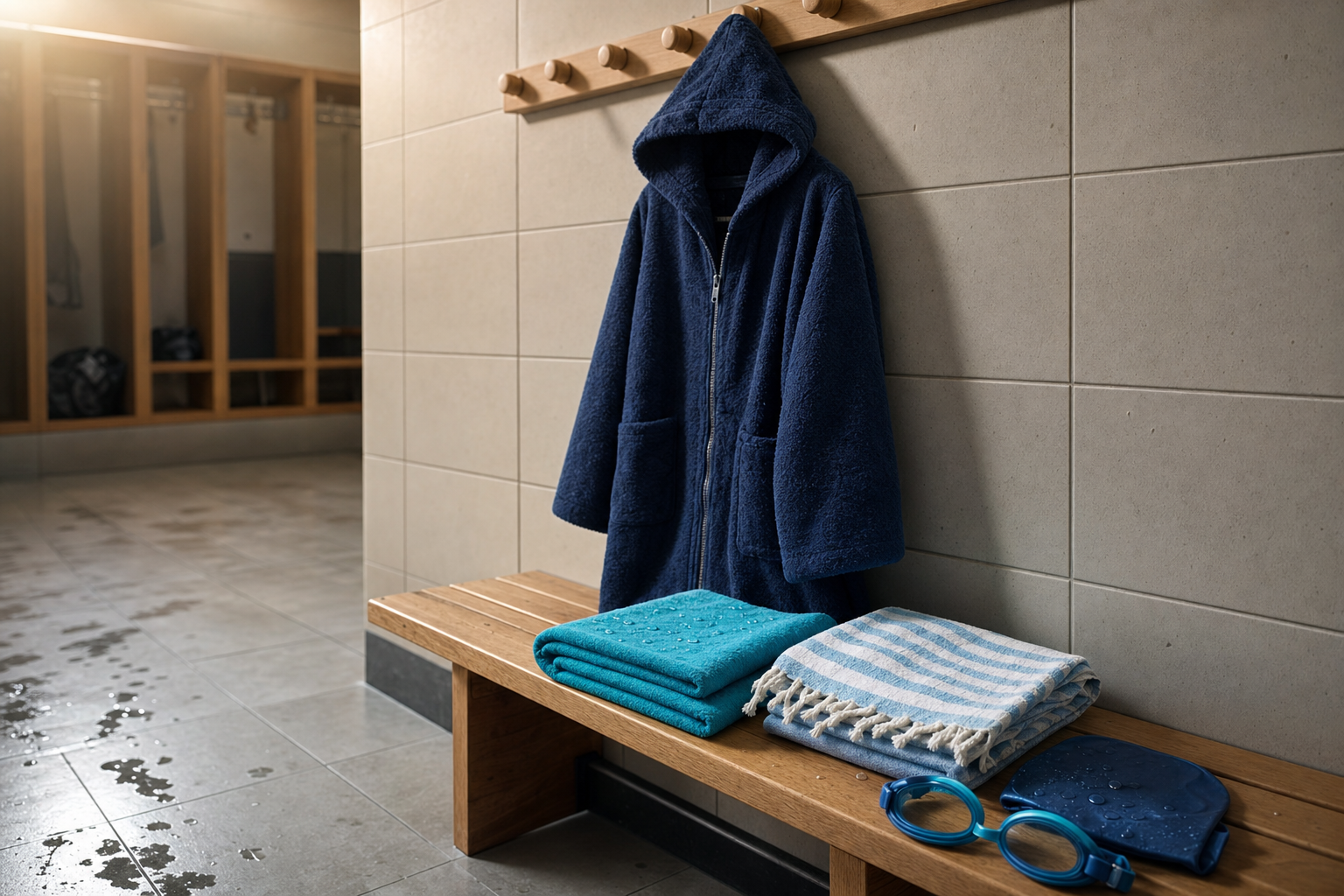
If your child comes out of swim lessons shaking and dripping, you need the right towel. What matters most isn’t fluff, but fast absorbency, enough size, warm coverage, and a design that stays put. Here’s what parents of 3- to 12-year-olds need to know about the best kids swim towel, focusing on material (microfiber, Turkish cotton, regular cotton), sizing, dry time, and kid-friendly design.
Material Matters: Microfiber, Turkish, or Cotton?
Microfiber towels are engineered to absorb water quickly. They soak up more per square inch, dry fast, and weigh less when wet—perfect if you tote swim gear back and forth every lesson. Research shows that terry towels made with microfibers have substantially greater static absorption capacity compared to many cotton blends (ajer.org).
Turkish cotton is prized for its softness and luxurious feel. It’s typically long-fiber cotton that weaves into plush terry or thinner peshtemal styles. A good Turkish towel can be both soft and reasonably absorbent—but dry time depends heavily on GSM (grams per square metre), pile height, and construction (hencely.com).
Regular cotton towels, especially thick ones, feel warm and comforting. They tend to trap heat better than lightweight synthetics, so when your child steps out of cold water into a chilly change room, cotton helps reduce shivers.
The trade-offs are clear: microfiber wins on speed and weight, Turkish cotton balances softness and performance, regular cotton scores for warmth but may stay damp longer.
How Size & Dry Time Affect Swim Lesson Days
For lesson days, size and dry time make a real impact. A towel that’s too small—short length, narrow wrap—can expose wet arms or let cold air sneak in. Experts suggest buying a towel that covers to the knee or lower, and sizing up if your child is tall or you want it to last through two seasons (radkidsusa.com).
Dry time is especially critical when kids swim multiple times a week—morning lessons, parks, backyard swims. Microfiber can dry in one to two hours, Turkish flat-weave towels (like peshtemals) may also be fairly quick, while thick cotton terry might take three to five hours to fully dry in humid or indoor conditions (willandwind.com.au).
If you want a structured way to help your child progress at home, the 10-Week Plan guides you step by step.
To stay ready for back-to-back swimming sessions, many parents keep two towels in rotation or opt for a lighter material knowing it will still feel warm enough in winter if it's designed with a good hood and coverage.
Kid-Friendly Designs: Hooded, Poncho, Zip-Up
Design features make all the difference when your child is hanging a towel while balancing goggles and water bottle.
A hooded towel does more than look cute. It helps trap warmth in wet hair and around the neck, and keeps the towel enclosed when your child isn’t standing still—in the car park, on the walk to the changing room, or between lesson sets (willandwind.com.au).
[[ctakid]]
Zip-up hooded towels act like robes. They stay shut without kiddo needing to hold them. Poncho styles are lighter and easier to slide on, but being open at the front, they can expose wet chest or arms—especially problematic in cold weather or shared changing spaces (radkidsusa.com).
Look for long sleeves, generous hoods, and closures that work for small hands—a sturdy zipper or a snap closure. Sleeves let kids pull off their swimwear and dry underneath without flashing the whole room. Zipped front pockets are a bonus for holding goggles and small gear so nothing gets left at poolside (radkidsusa.com).
Care Pitfalls: Making Your Towel Last
No matter how good the towel, misuse can ruin it. Microfiber should never be washed with fabric softener or dryer sheets—those coat the fibres and block absorbency. Cotton towels also suffer if softeners clog the pile (en.wikipedia.org).
Always wash cold or warm (not hot), use mild detergent, and skip bleaching unless necessary. Drying helps: line-dry when possible, tumble on low. If you have thick cotton towels, give them space in the dryer so air flows well.
Picking the Right Towel: Your Practical Buyer’s Guide
You’ll want to balance four things: material, size, design, and weight. For children age 3-12, a Turkish cotton poncho or a cotton terry zip-up robe often hits the sweet spot—warmth, dignity, enough coverage, and still fast enough to dry between swims.
If your child is in lessons that follow a structured program—perhaps similar to a 10-Week Plan of swimy.org or another course—it can be helpful to plan ahead: choose two towels so you always have a dry one. Pack one microfiber for speed and one cotton for warmth.
Check for kid-appropriate design: hoods large enough to go over wet hair, closures easy for little fingers, lengths long enough to wrap securely. Designs that children like—fun prints, animals, bright colors—help too. If your child loves the towel, they’re more likely to use it properly.
Summary: What Actually Works
To reduce post-swim shivering, avoid small flat towels. Size up for wraparound warmth. Choose materials based on your climate and routine: microfibers if you need something super fast; Turkish cotton if you want plush but lighter feel; cotton terry for warmth and durability. Prioritize hooded, zip-up or poncho styles that stay on without holding. Avoid fabric softener and wash & dry gently to keep absorbency high.
With the right towel, pool pick-ups, lesson change-outs, and winter indoor swims go from soggy dramas to smoother, warmer transitions. Less fuss, more swimming.
120+ swimming exercises sorted by age — with video and instructions. Developed by swim instructors, completely free.

120+ swimming exercises sorted by age — with video and instructions. Developed by swim instructors, completely free.