Verbal Cues Before Water on Baby’s Face: Building Trust, Predictability, and Comfort
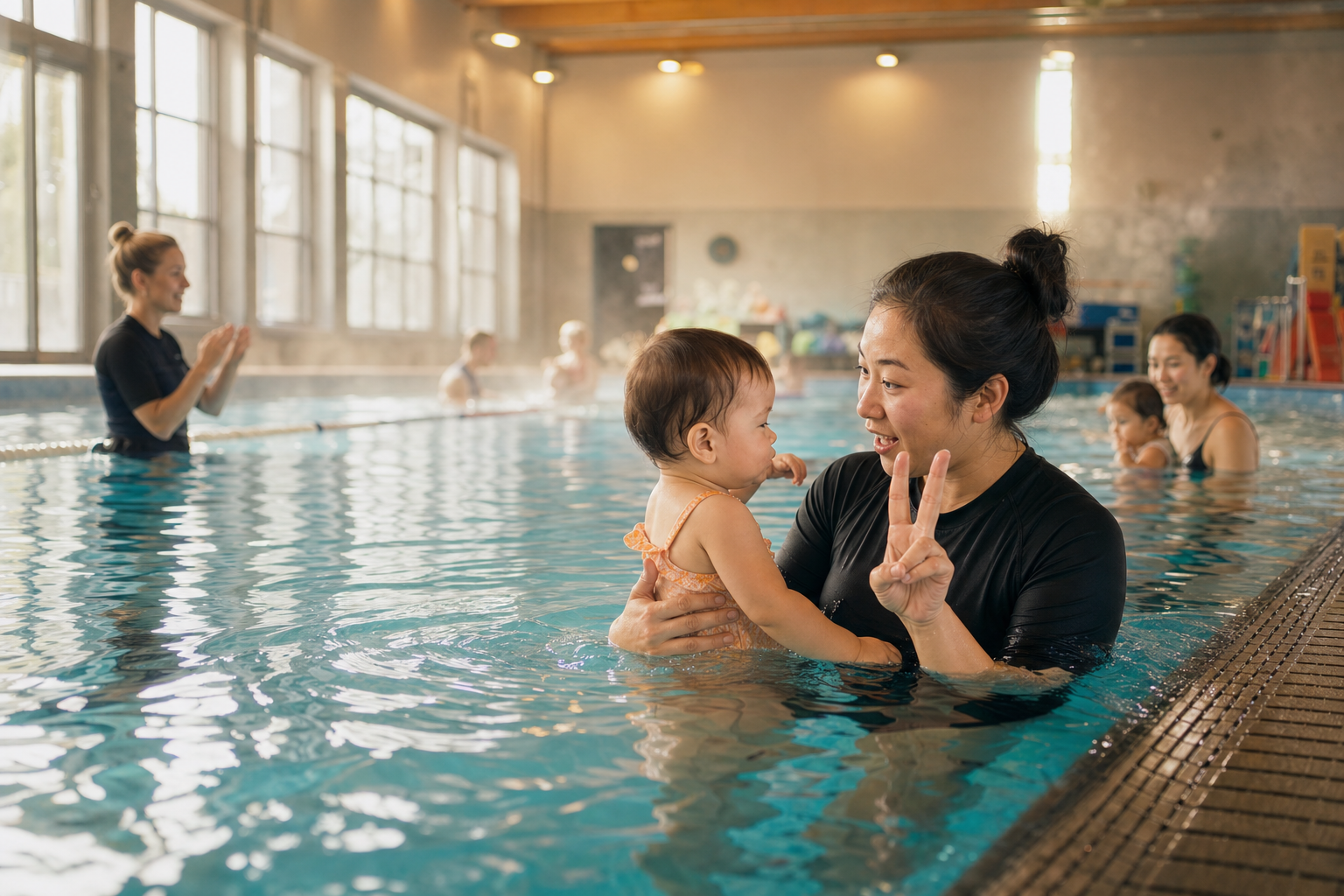
For parents teaching little ones aged 4–36 months, using consistent, gentle cue words before splashes, pouring water, or practicing getting water on the face can make all the difference. These verbal cues reduce surprise, prevent panic, and help your baby feel safe—preparing them for future swim lessons or mild submersion later on.
Why Cue Words Matter
When you say a short cue before water touches your baby’s face—something like “Ready, one, two, three”—you give them a moment to prepare. That brief moment allows your child to hold their breath, close their eyes, or stiffen slightly. It beats sudden water contact, which can trigger a gasp reflex and fear. Swim schools like Baby FINS use this kind of cue and report that babies begin to understand what's coming—and feel more in control. (swimatfins.com)
Experts also warn against forced submersion, where babies are dunked without warning. Such practices may be dangerous, cause distress, or erode trust. Instead, consistent verbal cues—given just before face wet or submersion—help establish predictability. (swimminglessonsideas.com)
How to Use Cue Words at Home
When and Where
Begin face-wetting practice during bath time or parent-baby classes, in warm, calm water. Choose times when your baby is alert and relaxed—not tired or hungry. Start each session with your baby upright, gently pouring water over their shoulders, arms, and chest, gradually moving toward the face. Let the water drip naturally, rather than forcing it. (swimy.org)
Choice of Cue Words
Use a short, consistent phrase. “Ready, one, two, three” is popular. Other parents use “take a breath” or “Here comes a little rain.” The important idea is that the same cue always means the same thing. Over time your child will begin to anticipate and respond—closing eyes, taking a breath, or even smiling when they hear it. (watermellow.ca)
Sequence & Timing
First pour water over non-sensitive areas—arms, chest—while you say your cue. As your baby relaxes, move to cheeks, then nose, lips, and forehead. Always cue first, pause for a few seconds so your baby can prepare, then pour. If they seem comfortable, you can let the water briefly touch their forehead or full face. Practice this sort of conditioning before any voluntary submersion. (schooloflittleswimmers.com.au)
If you want a structured way to build water confidence at home, the 10-Week Plan guides you step by step.
Training Stages: From Face Wet to Voluntary Submersion
For parents seeking a structured way to build to submersion over time, resources like the 10-Week Plan from swimy.org walk through milestones: beginning with familiarization, then facial dips, blowing bubbles, supported floating, and only then underwater transition. It helps set realistic expectations and avoids rushing. (swimy.org)
[[ctababy]]
Physical readiness matters too. Babies should have good head control and be able to sit with support. Between ages 6–12 months many show reflexes that allow supported floating or short face dips without distress. Babies under one aren’t proven to have reduced drowning risk through formal swim programs, so gentle exposure—never forceful—is the key. (healthychildren.org)
Knowing When to Stop or Slow Down
Pay attention to your baby’s stop signs. If they cough, close their throat forcefully, open their mouth in distress, or cry more than a few seconds, pause. Body language matters—tense body, wide eyes, stiff legs—all signs they need a break. Always let them opt out or simply pause when uncomfortable. These cues should guide the pace. (pmc.ncbi.nlm.nih.gov)
Also avoid frequent or long underwater holding. For children under three, submersion should be rare, brief (just 1-3 seconds) and always signaled by the cue word. Then gradually build up only if comfort and control are clearly present. (schooloflittleswimmers.com.au)
Where Swim Lessons Fit In
Swim lessons are an excellent later step—but not a substitute for early face-wet practice. According to HealthyChildren.org and other leading authorities, formal swim lessons are helpful especially for children aged 1–4, but for babies under 1, evidence doesn’t show reduced drowning risk yet. Still, classes that involve parents, use gradual exposure, consistent cues, limit submersion, and focus on water comfort can lay great groundwork. (healthychildren.org)
Safety Reminders
Always supervise your baby within arm’s reach when they’re in or around water. Even practiced babies can slip or panic unexpectedly. Choose warm, clean water. Limit lesson duration for infants. And remember: swim lessons do not make a child drown-proof. They must be part of a multi-layered safety plan. (publications.aap.org)
Verbal cues are not just helpful for making water feel less scary for your baby—they build trust and become the foundation for enjoying water, rather than fearing it. When couched in predictability, sensitivity, and consistency, your cues become more than words. They become signals of safety. And that’s priceless.
120+ swimming exercises sorted by age — with video and instructions. Developed by swim instructors, completely free.

120+ swimming exercises sorted by age — with video and instructions. Developed by swim instructors, completely free.