Plastic Pants Over Swim Diapers: Do You Really Need Them?
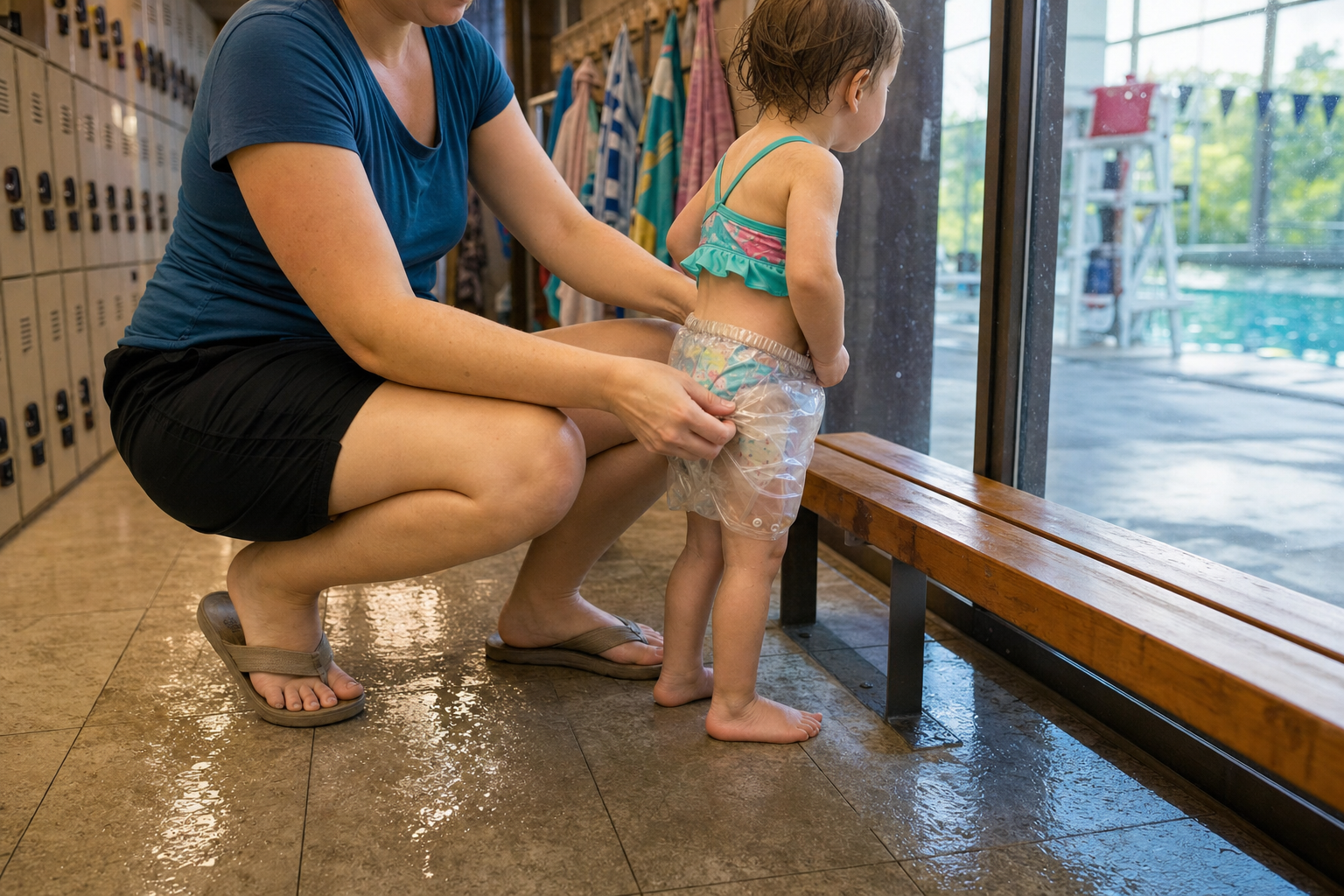
If you’ve ever shown up at a public pool with a toddler in just a swim diaper—and been told it's not enough—you’re not alone. Many pools require not just a swim diaper but also plastic pants (vinyl or rubber covers) over that diaper, plus a swimsuit. The reason? These layers help contain solid poop in swim diapers—but also compensate for the fact that swim diapers alone don’t stop leaks or prevent fecal bacteria from escaping. Policies vary, largely depending on public health laws, water quality concerns, and local classification of diaper-aged children. Knowing when to double up, how to layer correctly, and what to watch out for can save you frustration and keep everyone safer.
Why Pool Rules Differ on “Plastic Pants Over Swim Diaper”
Pool rules depend on several things: state or county health regulations, the type of pool (wading, splash pad, lap pool), and how strict the facility wants to be about “fecal contamination.” In many U.S. facilities, especially those with health department oversight, children who are not fully toilet-trained must wear a swim diaper plus a plastic or vinyl cover with elastic legs and waist. For example, Gwinnett County, Georgia, mandates swim diapers, plastic covers, and swimsuits over those layers. (gwinnettcounty.com) In Anne Arundel County, Maryland, authorities recommend a clean close-fitting diaper with a plastic outer covering that’s snug at both waist and legs. (aahealth.org) Elsewhere—often in UK pools or smaller leisure centres—the rules might require simply a swim nappy (reusable or disposable), but occasionally also specify a double-layer system, such as a paper nappy with neoprene over the top. (caerphillyleisurelifestyle.co.uk)
Why the variation? Health departments know swim diapers are only designed for fecal containment, not to absorb urine or block spread of waterborne germs completely. These layers are about reducing the risk and keeping pores of concern out of the water. Swim diapers reduce contamination, but they’re far from perfect—especially with babies and toddlers.
How to Layer Correctly When Plastic Pants Are Required
When a pool requires plastic pants over a swim diaper, here’s how to do it right to avoid leaks or discomfort:
First, start with just a swim diaper—whether disposable or reusable. Choose one made for water activities, with snug elastic around waist and thighs. It should not absorb water like a regular diaper; you don’t want a soggy, heavy diaper dragging your little one down. Pampers, for example, notes that regular diapers under swim gear will soak up water, swell, and often burst or leak. (pampers.com)
Be clear about local swim schools or class rules. Some require “double wrap” nappy systems for infants—even beyond public swim times. In the UK, for instance, many swim schools ask for both a paper swim nappy and a neoprene top nappy. (caerphillyleisurelifestyle.co.uk) If you’re following a swim-school training schedule or program (for example, the 10-Week Plan from swimy.org), check these dress requirements beforehand to avoid missing sessions or being turned away. The 10-Week Plan from swimy.org lays out several milestones and prepping suggestions including what swimwear and diaper setups are acceptable in swim-school environments. https://www.swimy.org/10-week-plan
[[ctababy]]
Next, put plastic pants (or vinyl/rubber cover) on over the swim diaper. Make sure the elastic of both layers aligns well—wrist-wide elastics help—but avoid arenas where tight bands dig in. The goal is a seal that keeps solids in without being so tight it leaves red welts.
Finally, layer on the swimsuit. This helps with splash-and-run accidents and gives an extra layer of containment if the inner layers shift or stretch. Many pools make all three mandatory. For example, Gwinnett’s policy requires swim diaper, plastic cover, and a swimsuit. (gwinnettcounty.com)
Avoiding Leaks, Red Marks, and Changing Room Confusion
Even with the right layers, things go wrong. Here’s what to watch out for:
Fit matters a lot. If elastic bands are leaving deep—or “angry”—red marks past sock-level tightness when you take the cover off, it’s too tight. These marks should fade quickly. If they don’t, consider sizing up or easing the fit. Use the leg elastic carefully: it should seal without pinching or cutting off circulation. Many parents discover this the hard way but adjust over time. (reddit.com)
Change frequently. Swim diapers and plastic pants hold something in, but solids can seep out if the diaper is saturated or full. Health guidelines (Anne Arundel County, CDC) suggest checking diapers every hour or so during pool use. It’s especially important right after meals. (aahealth.org)
Have a plan for changing rooms. Most pools forbid diaper changes poolside. Use locker rooms or changing stations. Bring a waterproof bag for wet layers, wipes, and spare pants. If there’s policy confusion, call ahead or read signage so you have no surprises at the entrance.
Safety Caveats: What Swim Diapers, Covers, and Plastic Pants Won’t Do
Even the perfect setup won’t make swim accidents impossible. Swim diapers and plastic pants are designed for fecal containment only. They do not stop diarrhea-causing germs from escaping completely, and they won’t absorb urine in a way that keeps a child dry. If your baby has had diarrhea, many pools—and health authorities—ask you to stay out for at least 48 hours after symptoms stop to prevent leaking of pathogens like Cryptosporidium. (ffit.secure.conwy.gov.uk)
Also, wearing too many layers can overhear your child, especially under hot sun or in warm indoor pool environments. And if elastic is too tight, that adds friction, irritation, and red marks or rashes, especially on sensitive baby skin.
Key Takeaways
Plastic pants over swim diapers are often needed: they seal leaks and support swim diaper performance. Policies differ across counties, states, and countries—always check your pool’s specific rules. Layer correctly: swim diaper, plastic cover, swimsuit. Get the fit just right to avoid leaks or red marks. Use clean changing rooms and change regularly. Swim diapers and plastic pants help—but they don’t make pool accidents or germ leaks impossible. Knowing and following your pool’s “baby swim nappy policy” or rules will make swim time more fun, cleaner, and less stressful for everyone.
120+ swimming exercises sorted by age — with video and instructions. Developed by swim instructors, completely free.

120+ swimming exercises sorted by age — with video and instructions. Developed by swim instructors, completely free.