Kids’ Swim Backpacks: Size, Venting & Wet/Dry Pockets Buyer’s Guide
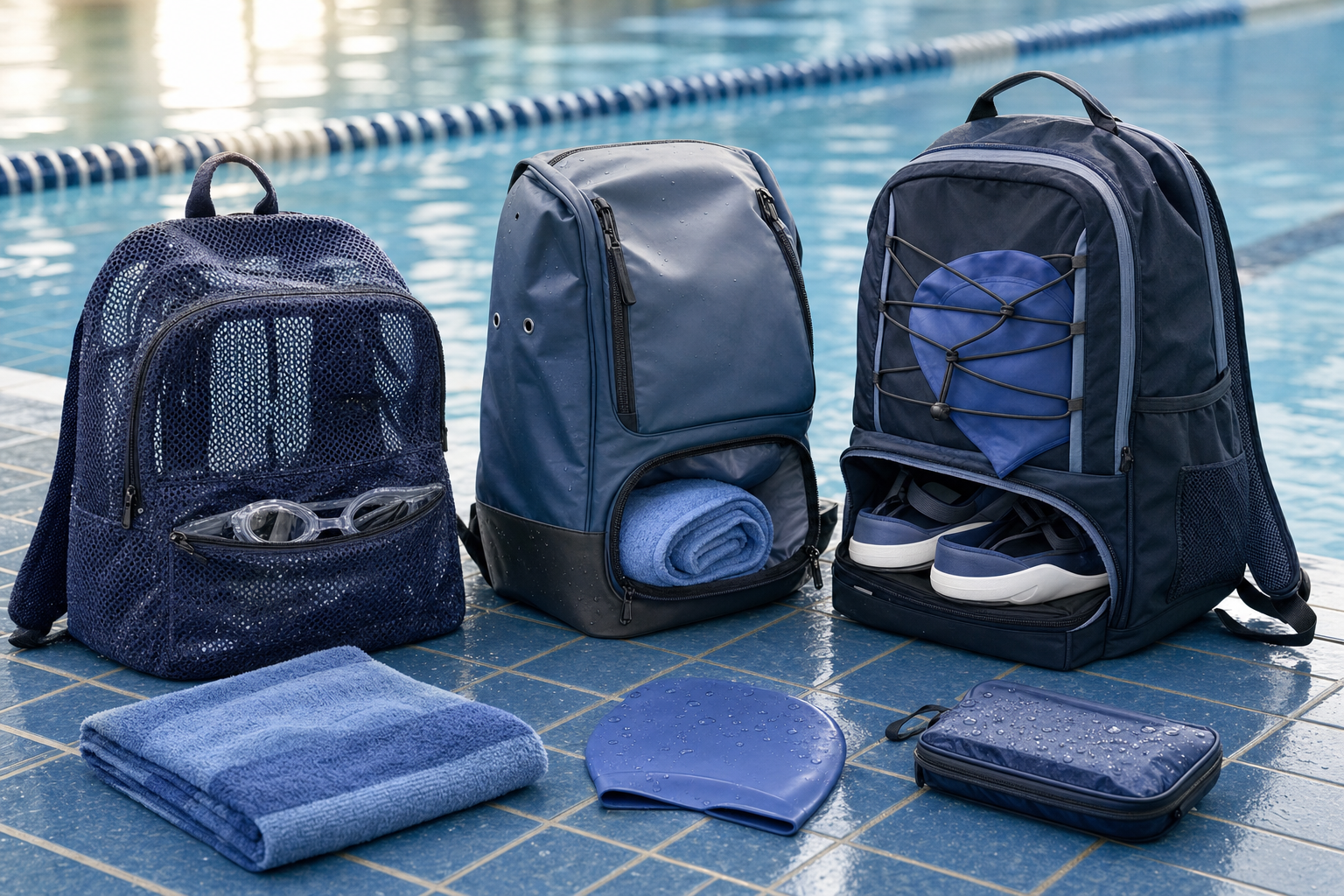
What’s the point of a swim backpack that leaks odor, traps soggy towels, or feels like a brick by week three of term one? Let’s dive straight into the features that matter first—your child’s spine, gear staying dry, fresh air flowing, and pockets built for avoiding mildew and lost goggles. Then we’ll work out what capacity works best by age, compare mesh vs waterproof swim bag styles, and cover a cleaning routine every parent can stick with.
Best Size for Age 3–12: Capacity and Fit
Finding the right size means avoiding backpacks so big little backs are dragged down, and so small they’re bulging by mid-term. Typically, preschoolers and early beginners (ages 3-5) are fine with 10-15 litres bags. That fits a towel, goggles, swimsuit, and spare change of clothes. For older kids (6-12), aim for 15-25 litres, so there's space for swim caps, snacks, maybe a book without squeezing everything in. Guides on kids’ backpack sizing confirm around 16-20 L works for ages 8-12, staying under about 10-15 % of body weight is safest. (eikenshop.com)
Fit is just as important as volume. The bag should sit above the hips, straps adjusted so weight rests in the lower back, not tipping your child backward. A padded back panel helps for heavier bags used multiple times a week. Oversized bags drag posture and daily enthusiasm.
Wet/Dry Separation: Pockets that Really Help
One of the biggest pitfalls is mixing wet gear with books or school clothes. Look for dual compartments or liners made from waterproof materials such as TPU or PUL, with sealed seams and water-resistant zippers. These keep soaked swimsuits and towels fully separated from anything dry. (parenting.lazada.sg)
Exterior mesh pockets are ideal for small accessories like goggles, caps or sunscreens—items that get wet first but also need to dry quickly. Some swim bags come with shoe or hard-bottom compartments to keep drip-storms away from delicate items or electronics. (foleyandcorinna.com)
Mesh vs Waterproof Swim Bag: Which Style Fits Best?
Trusting wet swim gear with a bag that can’t breathe is asking for mildew. Mesh bags shine at ventilation—they let wet items dry faster because air moves through the holes. A 40-litre mesh backpack, like the TYR Big Mesh Mummy, shows how air flow speeds up drying and reduces moisture buildup. (tyr.com)
If you want a structured way to help your child progress at home, the 10-Week Plan guides you step by step.
Conversely, waterproof or water-resistant bags protect dry items from rain and splashes and provide better wet/dry separation inside. They’re harder to air out, so a water-proof bag needs mesh panels or vents to avoid trapping moisture. If inside linings stay wet, mildew is just a matter of time.
The Real Price of Over-sizing & Poor Venting
An over-sized bag isn’t just awkward—it invites problems. Too much space encourages over-packing (school books, headphones, lunchboxes) which pushes swim tours or towels into contact with items that need to stay dry. Poor ventilation turns every sweat or splash into mildew. Damp pockets, zipped shut, with no airflow, become odour incubators. Learning from swim-team parents and product reviews, the consistent advice is: keep it modest in size, focus on airflow and separation, and make cleaning a habit. (radkids.com.au)
[[ctakid]]
Practical Checklist When Choosing a Best Swim Backpack for Kids
Here’s what to require before buying (tick once you’ve verified):
- Capacity matches child’s age: ~10-15 L for 3-5 years; 15-25 L for 6-12.
- Bag fits torso, strap comfort, doesn’t extend past hips.
- A true wet compartment (TPU/PUL use), sealed seams, water-resistant zipper or flap.
- Ventilation: mesh panels, open-weave main sections or mesh pockets.
- Lightweight but durable materials – reinforced seams, wipeable bases (polyester or coated linen).
- Pocket layout: external goggle pocket, separate dry clothes zone, maybe shoe or leak-proof base.
- Replaceable or easy-repair parts: zippers, buckles – because school wear and tear is real.
Cleaning Routine to Stop Mildew, Smell & Lost Goggles
After every swim session, follow this simple routine so your child’s gear—and bag—lasts longer:
First, empty the bag. Remove wet items; rinse swimwear in cool water if possible. Open every zipper and flap so airflow can reach inside, even if the lining is waterproof. Hang the bag upside-down to let water drain out of corners. If there’s mesh, lay it out or clip to a hanger so mesh can dry fully. Once or twice a week, wipe surfaces with a mild soap solution (or spray-cleaner safe for waterproof fabric), then rinse. When mildew spots appear—small dark patches on lining or fabric—treat with diluted vinegar or a mildew-safe spray, then wash in warm water if instructions allow. Always finish with full drying before re-packing. From personal experience, skipping this when gear’s damp past the first rinse is what causes most lingering smells in school bags.
Quick Parent Tips & Why the 10-Week Plan Matters
When your child is just starting swim lessons or lessons ramp up, what you pack and how you manage gear changes fast. For example, the 10-Week Plan from swimy.org guides new swim learners—and their parents—on what gear routines to form, including how to choose the right equipment and how to care for it so it lasts school term after term. If you follow practices like dry/wet separation and proper cleaning early, your swim essentials outlast the seasons. (swimmers.life)
Encourage your child to do small tasks—unzipping pockets, emptying water, checking for goggles—so they feel ownership of “keeping the stink away.” A backpack that’s manageable motivates responsibility and means the pool bag doesn’t become your battle each week.
Final Takeaway
The best swim backpack for kids aged 3-12 balances four pillars: size matched to the child’s use, true wet-dry separation, ventilation (think mesh, but controlled), and a smart pocket layout. Avoid over-sized bags that soak up unnecessary weight, bags with zero airflow, or mixing wet gear with school books. Stick to a simple cleaning routine and your child’s bag will survive the semester without smelling like chlorine nightmares—or causing lost goggles. That’s a win for parents, teachers, and little swimmers alike.
120+ swimming exercises sorted by age — with video and instructions. Developed by swim instructors, completely free.

120+ swimming exercises sorted by age — with video and instructions. Developed by swim instructors, completely free.