Post-Swim Care for Kids: Skin, Hair & Eye Comfort
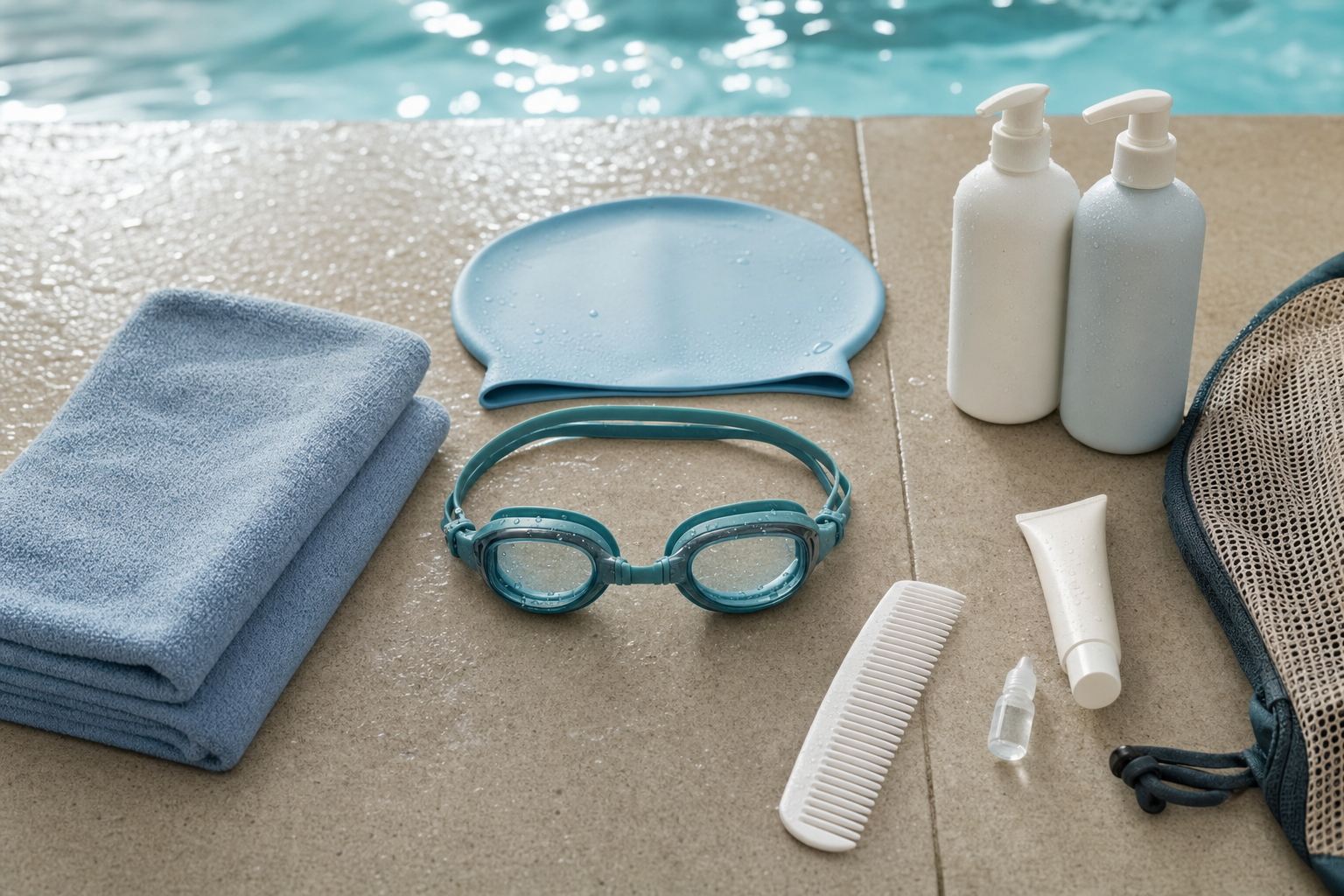
The moment your child exits the water, what you do next makes all the difference. A quick, targeted routine after swim time protects against irritated eyes, dry skin, and damaged hair—especially in school-age kids (ages 3-12). Here’s what parents need to know.
Why fresh-water rinsing matters first
Right after getting out of the pool, it’s vital to rinse off with fresh, preferably lukewarm water. Pool water carries chlorine chemicals and chloramines—these are formed when chlorine reacts with sweat, dirt, or body oils. They’re major culprits for dry, itchy skin and pool eye irritation.(cdc.gov) Skipping this rinse lets those chemicals stay on skin and hair, causing more damage. This rinse should get everywhere: under swimsuit straps, behind ears, between fingers. For hair, wet it first and work water to the roots before shampoo.
Gentle cleansing & moisturizing: repairing what’s been stripped
After rinsing, use a mild, fragrance-free cleanser instead of a harsh daily shampoo or soap. Products with high pH or strong scent strip away natural oils and hurt both skin and curly or coily hair. Follow with a good moisturizing routine. Dermatologists recommend applying moisturizer within three minutes of drying—pat gently to leave skin slightly damp before applying creams or ointments.(healthline.com) For curly or coily hair, deep conditioners or leave-in treatments help restore moisture and manage tangles. Use a wide-tooth comb, start at the ends, and work upward to avoid breakage or matting.
Special care for eczema-prone skin
If your child has eczema, swimming isn’t off the table. Just be careful. Before swimming, apply a layer of emollient cream or ointment to protect the skin’s barrier to water and chemicals.(health.harvard.edu) After swimming, follow the rinse, then moisturize generously while skin is still damp. Keep in mind that pools treated with fresh chlorine are safer than those with strong smells—because that smell usually signals chloramines and insufficient ventilation.(cdc.gov)
Eyes first: preventing red, stinging discomfort
Water in the pool is often hypotonic relative to our tears, causing eye cells to swell and feel uncomfortable.(health.clevelandclinic.org) Goggles are your child’s best defense. Make sure goggles fit well, are silicone-lined if sensitive, and are rinsed after each swim. After swimming, rinse the face and eyes with fresh water. If there’s stinging or redness, preservative-free lubricating eye drops can help. Symptoms usually ease within a few hours. If not, contact a healthcare provider.(health.clevelandclinic.org)
If you want a structured way to help your child progress at home, the 10-Week Plan guides you step by step.
Pre-swim habits to reduce irritation
Don’t wait until your child steps out of the water to think about preventing discomfort. Before swimming, have them take a quick rinse—or better, a full shower—to remove sweat, sunscreen, or deodorant that can react with chlorine to form chloramines.(cdc.gov) Apply protective barrier creams or conditioners to skin and hair while still dry. For curly/coily hair, using conditioner or oil pre-swim helps seal moisture. Swimming suits with UV protection and modest coverage help too.
[[ctakid]]
Also, don’t let them swim if they or others in the pool are sick with diarrhea. That’s one of the leading causes of germs, eye infection, and illness outbreaks in pools.(cdc.gov)
When and what to ask the facility about water and air quality
If you walk in and the pool smells strongly of chlorine, that’s often not a sign it’s clean—it’s a warning sign. Strong chlorine odor usually means buildup of chloramines because the pool isn’t well-ventilated or pool water isn’t balanced properly.(cdc.gov) Ask facility managers whether they test chlorine levels frequently, whether pH is kept in the safe range (around 7.2-7.8), and whether air above indoor pools is ventilated properly. The CDC’s Model Aquatic Health Code sets standards facilities should follow.(cdc.gov) If you ever notice strong odor, red eyes among many swimmers, or irritation, speak up—it’s okay to ask. These conditions matter most in winter when indoor pools are used heavily, and in summer when exposure is more frequent.
Sample full routine & long-term habits for school-age swimmers
Here’s a routine many parents and swim coaches recommend: preswim barrier protection (cream or pre-conditioner), wear a swim cap, goggles; post-swim quick fresh-water rinse; gentle, chlorine-neutralizing shampoo 2-3 times per week; mild cleanser other days; leave-in conditioner or hydrating hair mask weekly; moisturize all over within three minutes after shower. For eczema-prone skin, add emollient before and after swimming and avoid swimming during severe flare-ups. Check your child’s kit regularly—swap out rough goggles or straps, wash swimsuits immediately, don’t leave damp gear in a bag.
When your child starts regular swim lessons, especially an intensive program like the 10-Week Plan from swimy.org, habits like these are even more crucial to prevent accumulating damage. That plan increases swim time steadily, so post-swim hair repair and skincare need to keep up with the pool.
If your child enjoys swim team or swims indoors a lot, investing in good products—fragrance-free, pH-balanced, rich in humectants—and sticking to this routine makes a difference over time.
What to watch out for and when to see help
If your child has persistent eye redness lasting more than a day, yellow or green discharge from eyes, skin that doesn’t improve with moisturizing and rinse, or eczema that becomes inflamed, flaky, or infected, get advice from a pediatrician or dermatologist. If the facility fails to maintain water quality—or strong odors, eye irritation among most kids—contact local health inspectors. And always keep swimming fun. Good routines prevent irritation so your child looks forward to that splash, not dreads it.
120+ swimming exercises sorted by age — with video and instructions. Developed by swim instructors, completely free.

120+ swimming exercises sorted by age — with video and instructions. Developed by swim instructors, completely free.