Prams and High Chairs Beside Pools: Overlooked Risks Every Parent Should Know
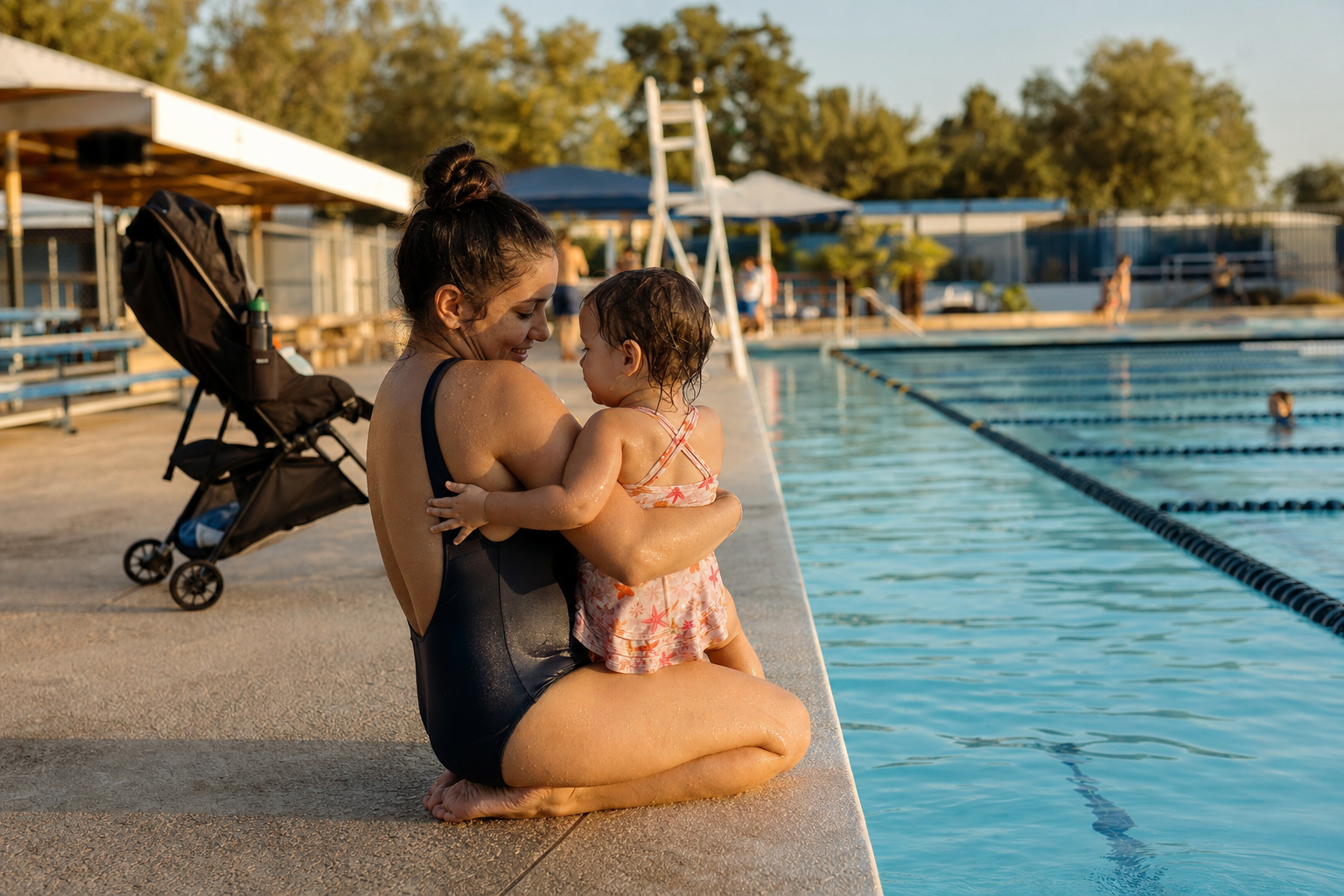
Toddlers tumble, climb, tip, and surprise us—sometimes in the worst way. When prams, strollers, or clip-on high chairs are parked too close to water, what starts safe can quickly turn dangerous. If you’ve ever wondered “stroller by pool safety” or how to reduce “toddler pool deck hazards,” this post digs deep into what you need to know right now.
Why Poolside Parking Danger Matters
Starting from birth, children aged zero to 36 months explore with every part of their body. As soon as a baby can pull to stand or push open stroller latches, risks around pools rise dramatically. A U.S. government report describes tragic incidents: children restrained in strollers who drowned when the stroller rolled into a pool when brakes failed or the item was pushed in by others. (cpsc.gov)
These hazards aren’t just about physical falls. A toddler climbing wet fabric or slipping on the pool deck while getting back into a stroller can lead to serious injury. So questions like “How close is safe?” and “How do brakes or restraints hold up near water?” become really important—for baby’s safety and your peace of mind.
Key Risks to Watch For
Turning Your Back
When parents turn away to unpack towels, apply sunscreen, or dole out snacks, that second could be all it takes for a stroller to roll. The CDC warns that drowning can happen quietly and in seconds; lack of close supervision is a major risk factor. (cdc.gov)
Wet Toddlers Re-Entering Unsupervised
A toddler who’s just left the water and wants to hop back into a clip-on seat or pram, especially when wet and slippery, may lose balance or slip. Even with a seated restraint, wet fabric and slick surfaces significantly reduce safety.
Putting Snacks or Toys in the Stroller Near Water
That toy car or snack box can be tempting for a child to reach for. In doing so, they may shift weight, tip the stroller, or lean too far toward the water. Even stationary prams or high-chairs become tipping hazards if unpredictable movement happens.
Overreliance on Brakes or Restraints
Parking brakes may slip, lock mechanisms fail, and restraints are never designed to hold a child in place if the whole unit tips forward into water. Depend only on them at your own risk.
Safe Setup Before Lessons or Family Swims
To reduce “baby poolside safety” risks, here’s what parents should do every time they visit a pool.
First, always use facility-approved stroller or buggy parking zones. Many public pool centers and swim schools offer dedicated stroller parks well away from the pool edge. Positioning prams at least several feet back from the water helps prevent rollover hazards. Next, establish a consistent transfer setup: when you're ready to swim, move your toddler from pram/high chair to your guided arms before approaching the pool. Never let them climb back in wet or unattended.
Parents also benefit from structured plans like the 10-Week Plan at swimy.org: a progressive guide to building swimming confidence while teaching safe habits at the pool. It helps you practice routines early—like transferring securely and always supervising within arm’s reach—before they become habits. https://www.swimy.org/10-week-plan
[[ctababy]]
Expert Guidelines & Broader Protection Layers
Both the CDC and Royal Life Saving Society UK emphasize that supervision is the single strongest barrier against toddler pool deck hazards. The saw-no wrong illusion of flotation devices or swim vests alone is dangerous; real safety comes from vigilant adult presence, restricting access when unsupervised, fencing, alarmed gates, and swimming lessons. (cdc.gov)
For children aged 1-4, drowning remains one of the leading causes of injury death. Regular swim lessons reduce risk, but even those children still need constant supervision when in or near water. (cdc.gov)
Royal Life Saving Society UK’s “Splash Safety at Home” campaign recently revealed 88% of child drownings in England between 2019-2025 occurred when no adult was supervising. Over a third happened in swimming pools or hot tubs. That underscores just how necessary it is to keep prams and high chairs safely back from the pool edge at all times. (eyalliance.org.uk)
Practical Tips: What Safe Poolside Behaviour Looks Like
When you arrive at the pool:
- Park prams or strollers in designated parking areas or at least several meters back from the pool’s edge.
- Always ensure brakes are locked, but treat that as backup—not your primary safety measure.
- Keep snacks, toys, or anything tempting well away from the pram when near water.
- Remove wet feet from prams before letting toddlers climb back in, as moisture drastically increases slip and tip risk.
During swim time:
- One adult should maintain constant, arms-reach supervision of every child under age four. Even the best fence or pool sign doesn’t replace that. (rlss.org.uk)
- Learn basic CPR. Most drownings happen quickly. Being prepared can save lives. (cdc.gov)
Bringing It All Together: Safer Routine, Safer Summers
You don’t need extra stress to stay safe poolside—just rethink where and how items like prams, strollers, and clip-on high-chairs are used. Create routines before family swims or lessons: designated parking zones, secure transfers, and full supervision. The risks of a stroller rolling into water or a toddler slipping back into a wet chair are very real, but entirely preventable.
Every parent wants pool time to be relaxing, joyful, and safe. Incorporating stroller by pool safety into your standard pool routine might seem small—but in terms of “baby poolside safety” and avoiding “toddler pool deck hazards,” it could mean everything. When the pool is on the calendar, anchor your safety plan: hands-on supervision, proper parking, and no unattended wet toddler moments. That’s the protection every mobile baby or toddler deserves.
120+ swimming exercises sorted by age — with video and instructions. Developed by swim instructors, completely free.

120+ swimming exercises sorted by age — with video and instructions. Developed by swim instructors, completely free.