Secondary Drowning After Baby Swimming: Facts, Warning Signs, and Prevention
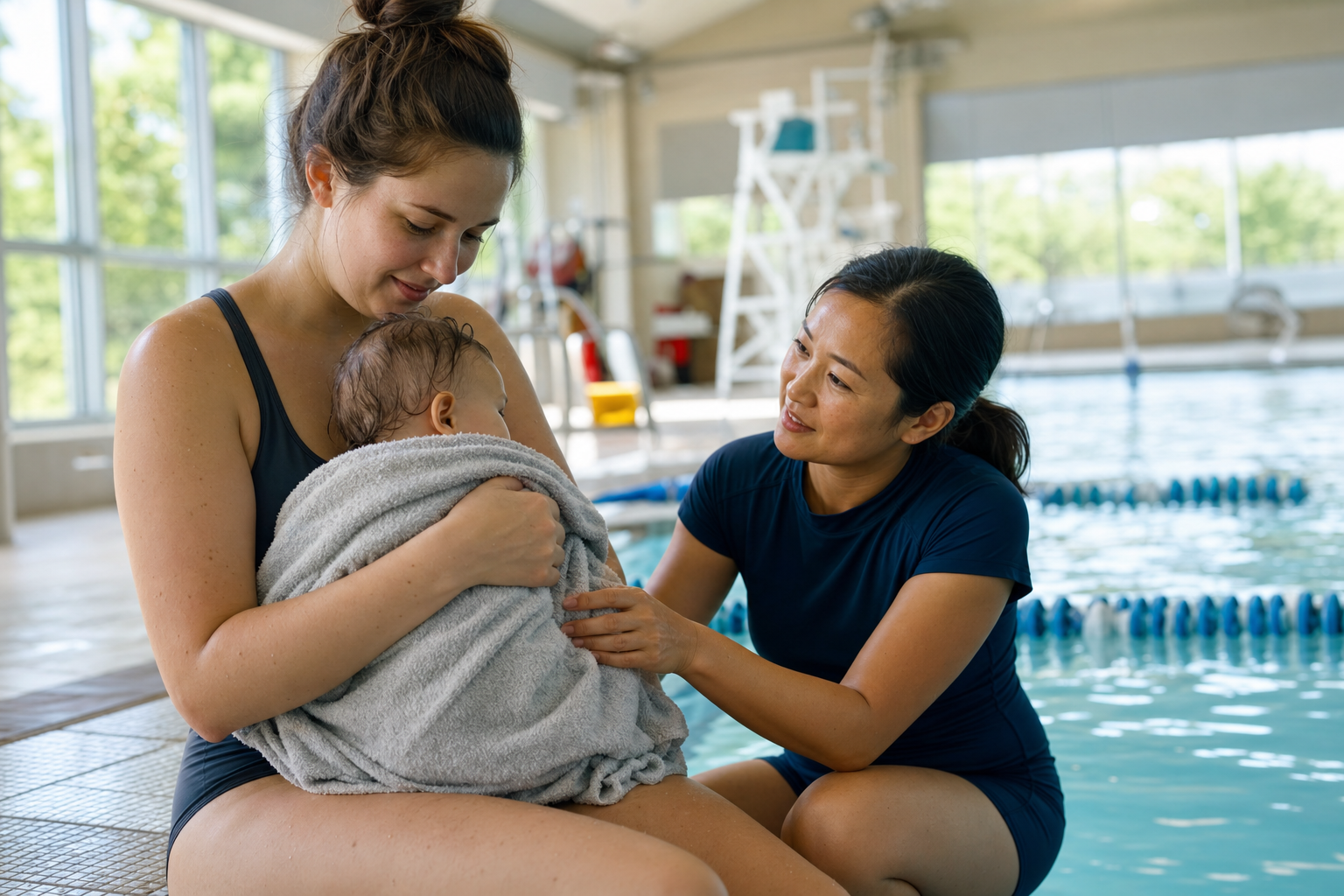
If your baby splashes or swims and seems fine afterward, is there really any risk of something bad—like secondary or dry drowning—setting in later? Yes, though it’s rare. Here’s what experts want you to know right away, and what to watch out for in the hours afterward so you can protect your little one.
How Real Is the Risk?
Medically speaking, terms like “secondary drowning” and “dry drowning” aren’t used anymore—they’re outdated and confusing. Experts now use “nonfatal drowning with injury” or “submersion injury” instead. What actually can happen is that water gets into a baby’s airways (aspiration), even if they cough or seem fine right after a swim. That water can irritate the lungs and sometimes cause fluid buildup known as pulmonary edema.(my.clevelandclinic.org)
Though these complications are possible, they’re very rare. Most kids who appear well after a short water exposure do just fine without any medical treatment. Serious problems are more likely if a baby was submerged for more than a few seconds, had trouble breathing, or inhaled a lot of water.(texaschildrens.org)
What Happens in the First 24 Hours
When dangers arise, they usually show up fast—within several hours, up to about 8 hours after the incident. Pulmonary edema, or fluid in the lungs, can develop during that time. If babies are going to worsen, symptoms tend to appear within the first 24 hours.(my.clevelandclinic.org)
If your baby was in a swim lesson, or even just playing in shallow water, and the breathing wasn’t normal afterward—meaning rapid breathing, coughing that doesn’t go away, or if they seem unusually tired—those are signs to take seriously.(webmd.com)
If you want a structured way to build water confidence at home, the 10-Week Plan guides you step by step.
Warning Signs to Watch for in the 24 Hours After Swimming
Here are symptoms experts say are red flags:
- Persistent, heavy coughing that doesn’t clear up
- Trouble breathing: fast breaths, shallow breathing, or chest pulling in beneath ribs or around neck
- Extreme tiredness or low energy, or acting very irritable
- Chest pain or tightness
- Vomiting
- Pale, bluish skin (especially around lips or fingertips)
- Confusion, sleepiness, or sudden behavior changes
[[ctababy]]
If you see any of these signs, it’s time to call emergency services—not just your regular clinic.(webmd.com)
When to See a Doctor
Even if your baby seems fine, here’s what doctors recommend:
If there was any struggle underwater, or water got into their mouth, nose, or airway, it’s wise to monitor for 24 hours. If nothing seems off after that time, chances are good you can relax.
But don’t wait on serious symptoms. If any warning signs appear at any point during those hours—especially breathing problems—get medical help right away. In emergency departments they can check breathing, get oxygen levels, possibly do chest X-rays, and start care if needed.(webmd.com)
How Parents Can Prevent Risk
Most swimming-related breathing problems are preventable. Using simple safety measures keeps swim sessions happy and much less scary.
Teaching babies water familiarization gradually, always having supervising adults within arm’s reach, using safe swim gear, and paying attention to signs of fatigue or water inhalation all help reduce risk. If you’re using a structured program, for example the 10-Week Plan that walk parents and babies through water comfort and safe swimming stages together, you’ll build skill and confidence while reducing risk.
After any water incident that concerns you—struggle, inhalation, loss of breath—keep monitoring and don’t assume everything is fine. Trust your instincts.(waterwisekids.com)
Bringing It All Together
So, is dry or secondary drowning something real after baby swim sessions? There’s a tiny chance—but only when things go wrong in or under the water. If babies aspirate water or have trouble breathing, swelling or fluid can build up in the lungs, usually within hours. But if they come out of the water fine and show no signs, major problems are very unlikely.
Always take breathing issues seriously, monitor for the 24 hours after any troubling incident, and when in doubt, check in with medical professionals. It could make all the difference.
Stay calm. Stay alert. Watching carefully makes swim time safe and fun.
120+ swimming exercises sorted by age — with video and instructions. Developed by swim instructors, completely free.

120+ swimming exercises sorted by age — with video and instructions. Developed by swim instructors, completely free.