Seiche Surprise on the Great Lakes: Teach Kids to Retreat & Regroup
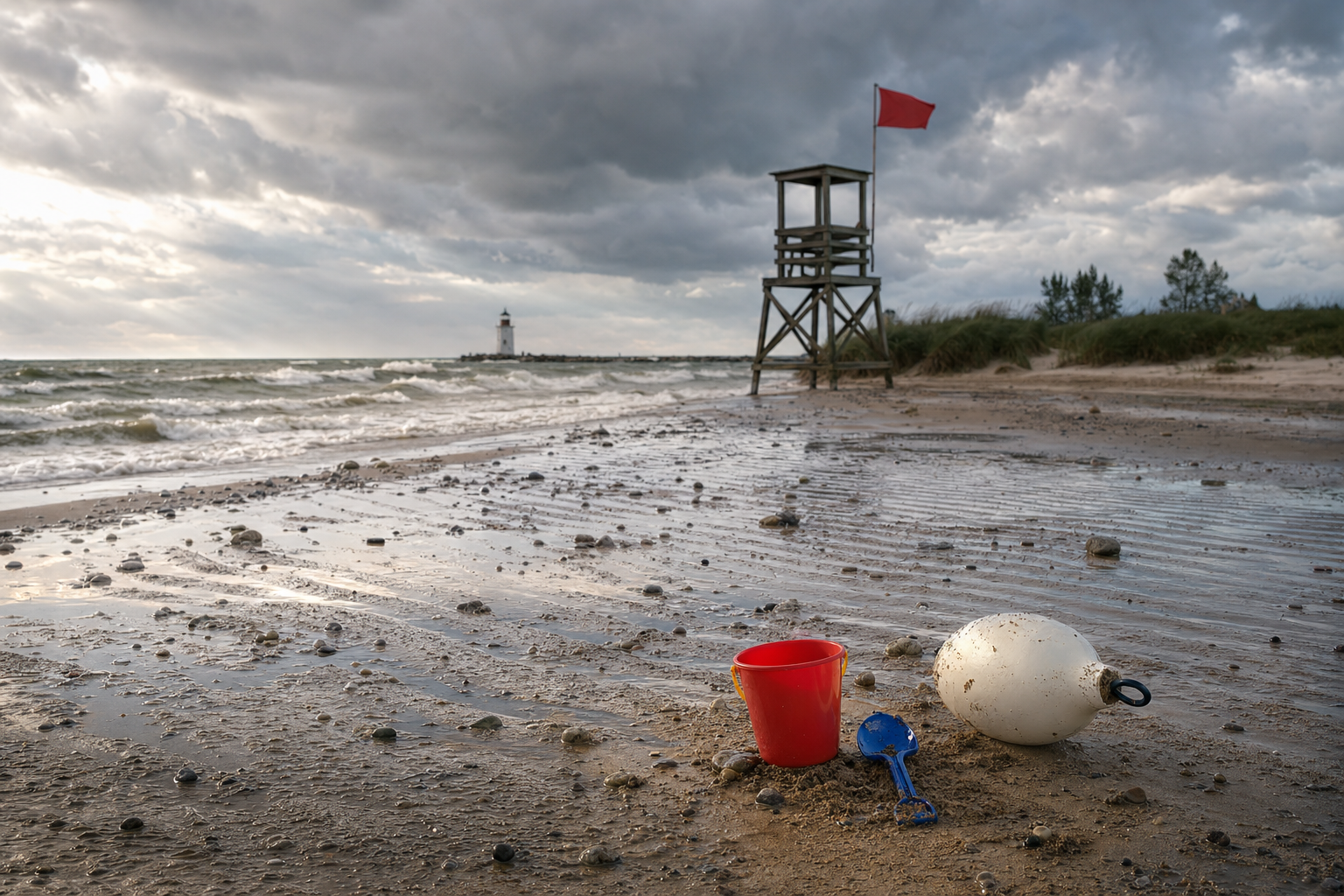
Imagine you're at the beach with your kids, ages 6 to 12, swimming in a calm Great Lakes bay, and suddenly the water’s edge rushes away—meters of shoreline exposed. Seconds later, water comes roaring back in. This is not a tide; this is a seiche. Understanding Great Lakes seiche safety for families means being ready for these rapid swings in water level that can change depth and current without warning.
What Is a Seiche and How It Differs from a Tide
A seiche (pronounced “saysh”) is a standing wave in an enclosed or semi-enclosed body of water. Strong winds push water toward one shore, creating a tilt. When the wind stops or shifts, gravity pulls the water back, overshooting the balance then oscillating back and forth for hours. (oceanservice.noaa.gov)
Many people confuse seiches with tides. Tides are caused by moon and sun gravity, come in predictable cycles, and in the Great Lakes they only move the water level a few centimeters—very small compared to what a seiche can do. Ever see the lake edge drop suddenly by multiple feet or swim in currents you didn’t expect? That’s likely a seiche at play. (uat.oceanservice.noaa.gov)
Why the Lakes Can Drop Low and Get Dangerous Fast
During spring through autumn windy periods, especially when storms or pressure fronts blow across the lake, water is driven toward one side. The far side experiences abrupt drops in depth—something like walking into shallow water where you expected waist-deep. Currents nearby might reverse or pick up fiercely. Afterward, when water sloshes back, waves grow suddenly, catching swimmers off guard. On Lake Erie, seiches can swing water levels by more than ten feet in extreme cases between shorelines. (greatlakesledger.com)
If kids are swimming during a windy afternoon, the shore may retreat rapidly. Depth changes that are too sudden can lead to dangers: slipping off submerged drop-offs, being pulled by currents, or being stranded when water retreats from around docks. Parents may not notice until it’s too late.
Teach-Kids & Family ‘Retreat and Regroup’ Plan
You need a simple plan your family can follow at the beach. Call it the “Retreat and Regroup” plan. First, teach children to watch the water line: if they see rapid changes in where the lake meets the sand—either moving far away or rushing back—they must stop swimming and head to higher ground. Use simple cues like “If beach disappears, we retreat.” Then regroup at a predetermined safe spot maybe 50 feet from the water or near a lifeguard tower.
If you want a structured way to help your child progress at home, the 10-Week Plan guides you step by step.
Parents should designate roles: one adult watches the water; another collects kids; both signal loudly. Practice this plan before any beach day—maybe during calm settings when there's no real risk so kids understand it before the real event. If your children are swimming lessons, you might align this plan with what they do in water safety classes. Something like the 10-Week Plan from swimy.org offers structured learning that reinforces alert-watch behaviors and emergency response in water. (weather.gov)
[[ctakid]]
How Parents Check Forecasts & On-Beach Signs
Before getting into the water, parents should check the lake forecast—not just wind and wave height, but watch for statements that mention “lake water level suddenly dropped,” “rapid water level changes,” or warnings about low or high water due to wind or pressure changes. NOAA and local weather services issue these types of advisories. (weather.gov)
At the beach, keep alert to posted signs. Many Great Lakes beaches display revised water level notices, warnings for dangerous currents or swell. Also check any beach patrols or lifeguards, who often know when seiche activity is likely. On windy days, watch for water piling up on one side and the shore receding significantly elsewhere—that’s a visual clue to be alert.
What Kids Should Know: Recognizing a Seiche
Kids in that 6 to 12 age group can learn to notice clear signs: waterline moving out fast, exposed beach that was underwater before, currents pushing against you from behind, or deep water suddenly becoming shallow. Encourage them to shout if they see something odd—teamwork on the beach can save lives. Make it a game sometimes: “Water watcher goes here” so they feel involved, not frightened.
After a Seiche: Safety Checks and Recovery
When water comes rushing back in, waves will be rougher and currents stronger. Kids should float or swim parallel to shore until they can safely walk back. Don’t chase toys or floating things in that moment—they’re not worth risk. Parents should check for sudden debris or submerged hazards washed in with returning water.
Afterward, regroup in a calm place, make sure everyone is okay physically and emotionally. Talk through what happened so next time everyone remembers the warning signs more quickly.
Summary: Staying Safe During Great Lakes Seiche Events
On windy days between spring and autumn, seiches are real hazards—don’t ignore “lake water level suddenly dropped” scenarios. These events are different from tides; they happen fast, driven by wind or pressure, and are unpredictable. Families must have a plan to retreat and regroup, teach kids how to watch the lake, and parents must monitor forecasts and on-beach signage.
Staying safe isn’t about fear—it’s about respect for how big lakes behave and helping children grow confident about reading nature’s warnings. Mastering Great Lakes seiche safety for families means swimming smarter, staying alert, and having each other’s back when the lake surprises you.
120+ swimming exercises sorted by age — with video and instructions. Developed by swim instructors, completely free.

120+ swimming exercises sorted by age — with video and instructions. Developed by swim instructors, completely free.