Poop Accident in the Pool: What Parents Must Do Immediately
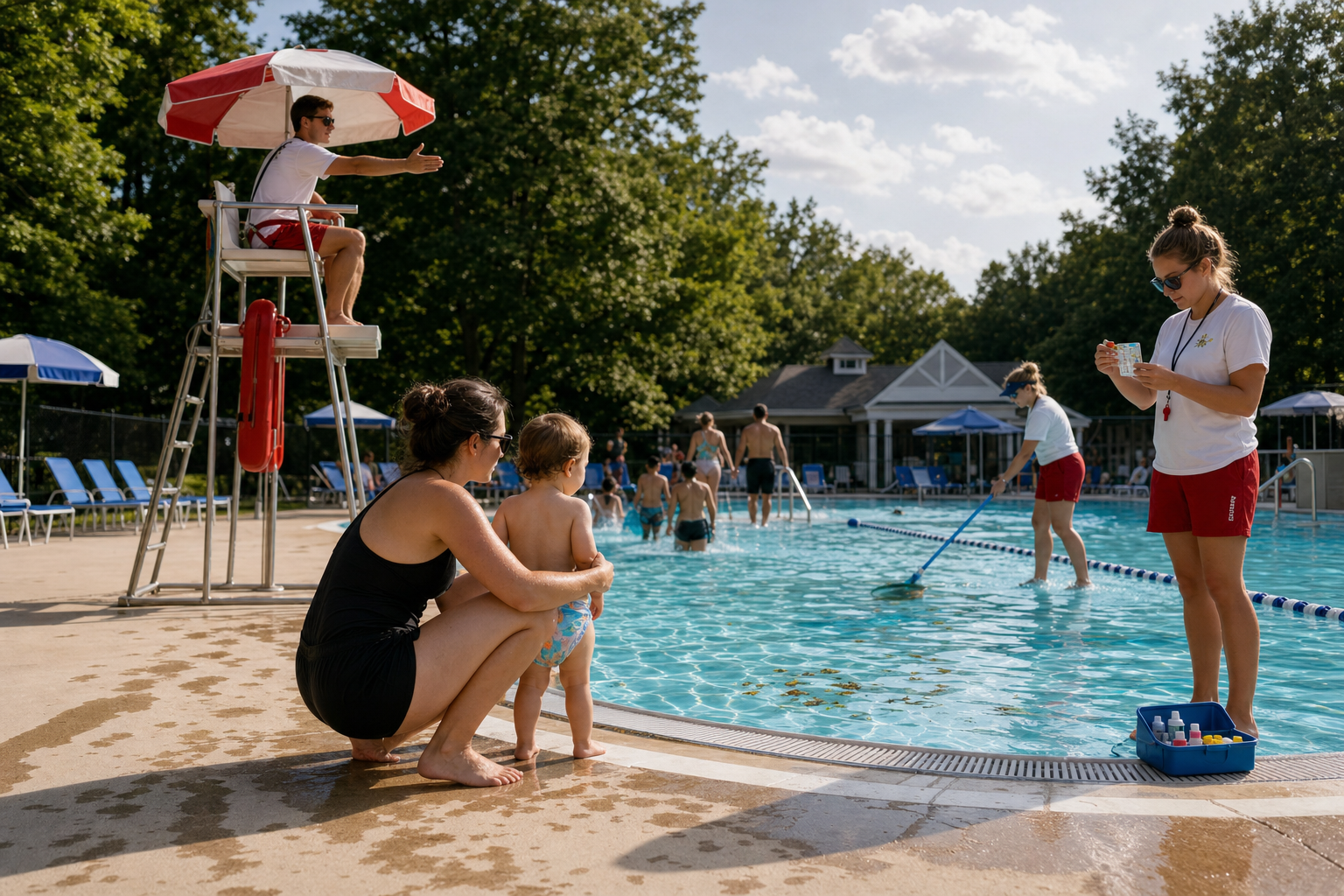
Picture this: you're relaxing poolside, the water glistens under the sun—and suddenly, a murky problem sinks in. A fecal accident has just occurred. What do you do, especially with kids involved? The right steps make all the difference for safety, health, and keeping the pool open. Here's what every parent needs to act on—fast.
What to Do Right Away: Formed vs. Diarrheal Stools
If you—or the pool staff—spot a formed stool (solid poop), act quickly but stay calm. First, clear everyone out of the pool. Use a net or scoop to remove the solid stuff—never vacuum it up, because filters and equipment get contaminated. Then raise the free chlorine level to at least 2 parts per million (ppm), maintain pH between 7.2 and 7.5, and keep that going with proper filtration for at least 25–30 minutes. Only then is it safe to reopen the pool. These steps follow the CDC’s formal fecal incident response guidelines.(stacks.cdc.gov)
If it’s a diarrheal stool, the game changes. Diarrhea may carry Cryptosporidium, a germ that resists chlorine and spreads fast. The water must be closed immediately. Remove visible material, bring chlorine levels up dramatically—to 20 ppm, while keeping the pH in the same 7.2–7.5 range. This level needs to be maintained for about eight hours with strong filtration and after-filter treatment like filter backwashing.(cdc.gov)
Health Risks Parents Should Know
Swallowing even a tiny amount of pool water after a diarrheal accident can infect someone. Germs like Cryptosporidium, Giardia, norovirus, and certain strains of E. coli lurk in stool and spread quickly.(cdc.gov)
Here’s the problem: Cryptosporidium survives for days in properly treated pool water and is chlorine-resistant. Formed stool incidents are easier to fix with chlorine; diarrheal ones require super-chlorinating.(cdc.gov)
Pool Closure Rules: How Long and What’s Required
State and federal guidelines vary, but many follow versions of the CDC model requirements. If it's formed stool, most pool operators will close the affected pool, clean up, raise chlorine to 2 ppm, keep pH acceptable, and wait about 30 minutes before reopening.(cdc.gov)
If you want a structured way to build water confidence at home, the 10-Week Plan guides you step by step.
With a diarrheal accident, closures often last 8 hours while chlorine stays at 20 ppm or more, with constant filtration and full cleaning. Some regions—like Maine—have rules that match this: close, disinfect heavily, keep proper chemical balance for long, and only reopen when everything’s confirmed safe.(regulations.justia.com)
[[ctababy]]
Logging everything helps too. Pools will ideally record the event type (solid or diarrhea), chemical levels before and after, times of closure, cleanup steps and results. This protects health and helps with transparency.(stacks.cdc.gov)
Prevention: Swim Diapers and Smart Strategies
Swim diapers are helpful—but with caveats. They are designed to contain solid feces, not diarrhea. They let liquids like urine and watery stool seep through and don’t absorb fluids. A swim diaper with a loose waist or leg opening won’t be effective.(swimoutlet.com)
That means frequent checks and diaper changes are key. Swapping swim diapers every 30–60 minutes, changing away from the pool deck, and washing hands afterward all reduce the risk of germ spread. The CDC also recommends keeping kids with diarrhea out of the water until at least two weeks after symptoms stop.(cdc.gov)
For parents wanting to boost swim confidence and hygiene habits, you can follow organized steps like the “10-Week Plan” at swimy.org to build consistent bathroom breaks, proper diapering routines, and safety skills around water.(swimoutlet.com)
Real Tips from Experience
When my toddler had a diaper accident in a swim class, the instructor politely asked for us to exit, cleaned the pool as per regulations, and reopened in about 45 minutes. It felt inconvenient, but everyone understood why—and weren’t sick later. It’s always worth tending to hygiene over a quicker swim.
If you manage or visit public pools, look for posted rules: are swim diapers required? Is there signage asking people to avoid the water with diarrhea? These are clues that the facility takes contamination seriously.
What Parents Must Ask & Do Before Heading to the Pool
Make sure the facility has updated rules. Ask staff how they respond to fecal accidents. Bring your own well-fitting swim diapers. Plan ahead: take your child to the bathroom right before entering. And watch for symptoms—if your child has had diarrhea recently, stay out of the water until recovery.
Pools are incredible places for family fun, exercise, and bonding. When parents act quickly and facilities follow proper protocols, risks drop and trust rises. Knowing what to do if there's a poop accident in the pool keeps everyone safer—and lets swimming stay fun instead of frightening.
120+ swimming exercises sorted by age — with video and instructions. Developed by swim instructors, completely free.

120+ swimming exercises sorted by age — with video and instructions. Developed by swim instructors, completely free.