Do Babies Need Earplugs for Swimming? A Parent's Guide
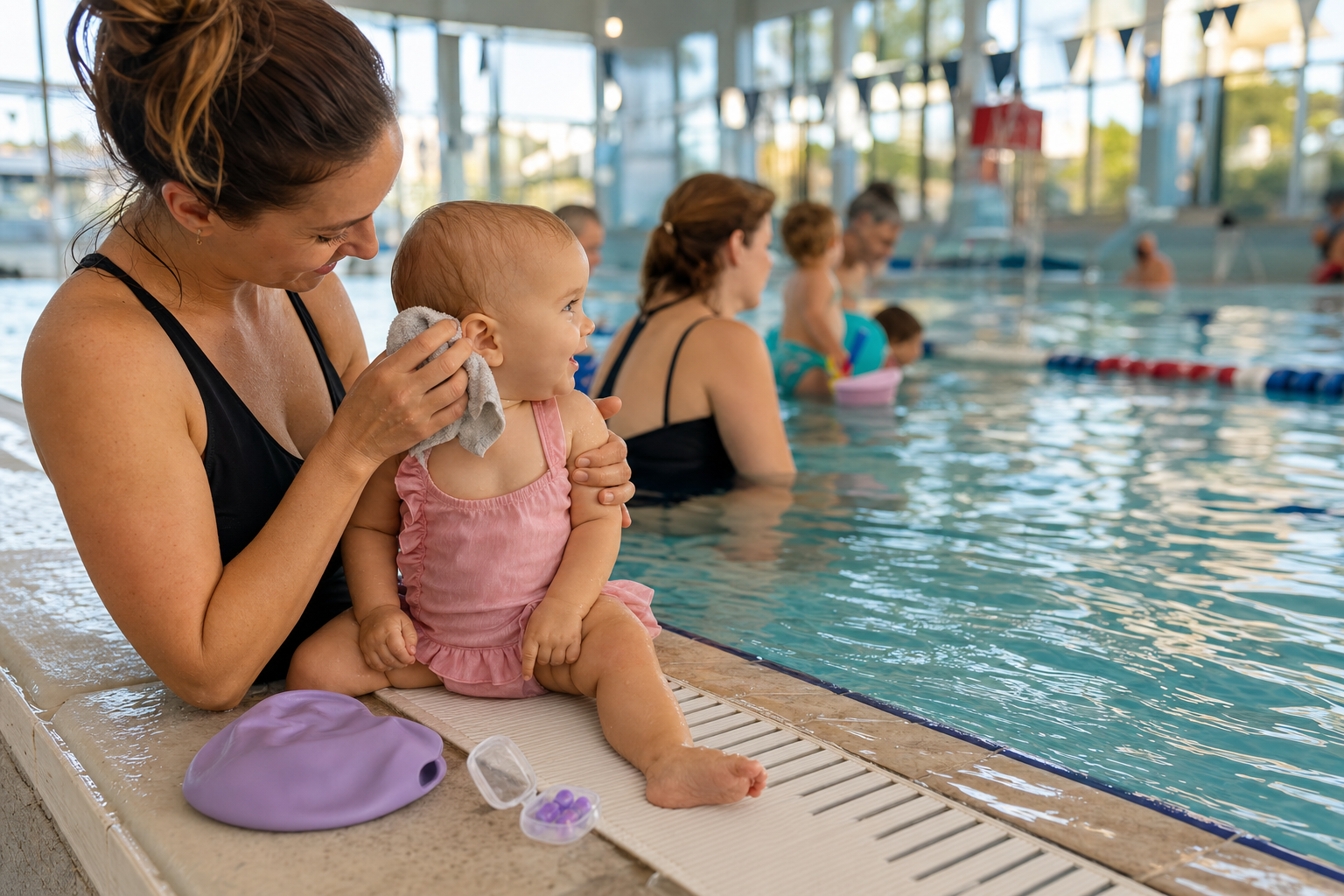
When it comes to babies aged 6–36 months, ear protection in swimming isn’t usually essential unless there are special concerns. If your baby hasn’t had recurring ear infections, surgery, tubes, or other ear issues, chances are they’ll be just fine without swim ear plugs. In clean, well-chlorinated pools with good water quality, keeping their ears dry after swimming, supervised holds, and a gentle ear-drying routine are the real keys to preventing problems.
That said, in certain cases, well-fitted baby ear plugs swimming or toddler swim ear plugs offer helpful protection. If your child has had otitis externa (“swimmer’s ear”) repeatedly, or has pressure-equalizing tubes (grommets), using plugs can make a difference — but only with the advice of a pediatrician or ENT. Look for plugs designed specifically for babies, not generic foam plugs, and always monitor fit and comfort.
When Earplugs Can Help, and When They’re Unnecessary
Babies do not need ear plugs in clean pools all the time. In fact, forcing plugs when they’re uncomfortable can distract from safety — loose grips, slippery bodies, or even frustration can become issues. Babies learn trust and confidence through touch, warmth, and proper instruction more than gadgets. Good care — rinsing ears, drying, keeping water good quality — typically suffices.
Ear protection becomes more helpful when there’s a specific risk: recurrent swimmer’s ear; already having ear tubes; swimming in untreated natural water; or after certain surgeries. In those situations, toddler swim ear plugs or infant earplugs for swimming, especially those made of moldable or soft silicone material, offer value. Doctors often recommend plugs along with swim caps or molded swim molds to keep ears as watertight as possible. The American Academy of Pediatrics and local ENT guidance support this when medical history suggests risk. (healthychildren.org)
How to Choose and Use Baby Ear Plugs for Swimming Safely
If you decide you need ear plugs, the choice and use matter a lot. Pick plugs made just for water—pre-molded silicone, flanged styles, or moldable putty works better than foam types used for noise. Foam will absorb water instead of keeping it out and may even trap contaminants. (swimoutlet.com)
Fit is the single most critical factor. Baby ear canals are small and still developing, so plugs must seal gently without inserting too deeply. Use junior or infant sizes, and test by checking if any water leaks during shallow dips. If the plug presses too hard or slips out easily, it's the wrong style or size. Always supervise your baby wearing plugs—loose or falling-out plugs might become a choking hazard. Experts remind that plugs are neither substitutes for vigilance nor medical advice. (entaudiology.com)
If you want a structured way to build water confidence at home, the 10-Week Plan guides you step by step.
[[ctababy]]
Care after swimming is essential. Dry ears gently, tilt heads so water drains, use soft towels, maybe hair dryer on low far away. Clean the plugs after each use (rinse and dry), and replace them when they lose flexibility or shape. This stops bacteria buildup and keeps protection real. (swimoutlet.com)
Doctor’s Advice: When to Consult Before Using Plugs
Medical guidance matters in three big cases. First, if your baby has had frequent outer ear infections (swimmer’s ear): plugs might be part of prevention. Second, if tubes or surgery were involved, you’ll need your child’s ENT to clarify what kind of plug will seal properly. Doctors increasingly say many kids with ear tubes can swim in pools without plugs, provided they avoid diving deep or untreated water — but always verify for your child. (waterwisekids.com)
Third, if there’s active pain, drainage, swelling, or recent surgery. Using plugs improperly then might worsen things. Strategy should be avoiding irritation, following healing guidelines, and sticking strictly to what your child’s clinician recommends. Over-the-counter vinegar and alcohol drops are sometimes used, but only when allowed, and not if tubes are involved or there’s skin damage. (healthychildren.org)
Balancing Gear, Comfort, and Learning Water Skills
Beyond decisions about plugs, there’s a bigger gear question: too much gear can distract from safe holds, supervision and the joy of swimming. I once watched a 14-month-old with fancy plugs sliding out every time he splashed; his focus moved from the water experience to flicking them back in. That pull away from water confidence matters.
A great strategy many parents follow is to go through a short water confidence routine like the 10-Week Plan of swim lessons before relying on plugs regularly. You give babies repeated, gentle exposure in clean, calm water — this strengthens their resilience and helps you understand whether ear plugs are even needed. If after that you still have concerns because of infection history or specific risk, you’ll be making an informed choice.
Key Takeaways
Baby earplugs swimming are helpful tools in special situations, especially for toddlers or younger ones with medical or environmental concerns. But in most cases, clean pools, good water hygiene, proper drying, and loving supervision offer protection without gear fuss. Always check fit, avoid ear plugs during active infections or surgeries unless a doctor says it’s OK, and remember: no gear replaces parent attention and care.
If you ever notice irritation, pain, drainage, or hearing changes after swim sessions, reach out to your child’s pediatrician. And if using plugs, treat them with care, keep them clean, and choose the right style and fit — so that swimming stays safe, fun, and always about growing confidence in the water.
120+ swimming exercises sorted by age — with video and instructions. Developed by swim instructors, completely free.

120+ swimming exercises sorted by age — with video and instructions. Developed by swim instructors, completely free.