Snap-Crotch Swimsuits for Fast Changes: What Parents of 0–24-Month-Olds Need to Know
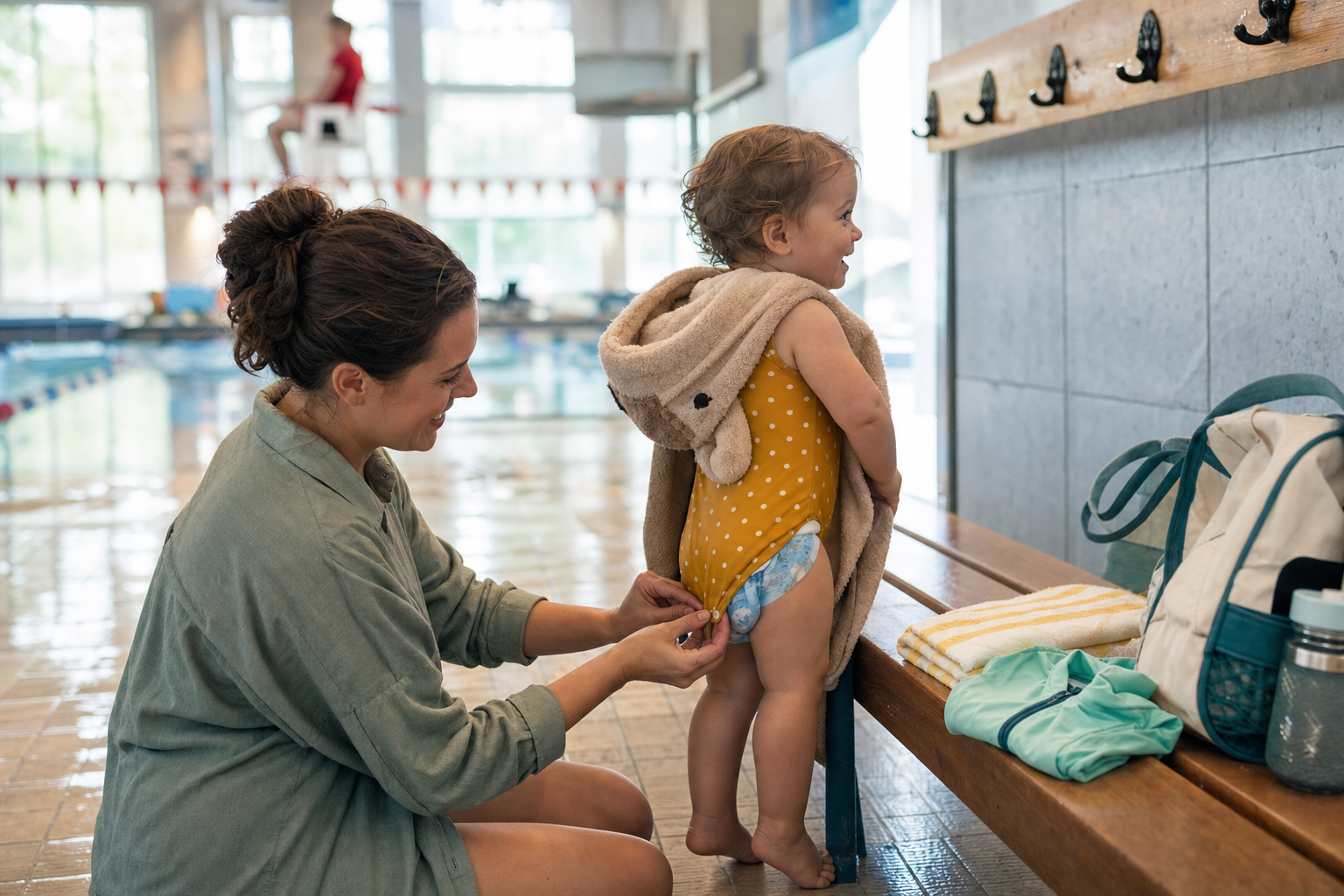
If you’re sprinting from the pool’s edge to the bench with a slippery, squealing baby in tow, you already know the stakes: a wet jersey legs, a frozen torso, or a wriggly meltdown. For babies under two, especially non-walkers and early walkers, picking swim gear that lets you change fast can be a game changer. Let’s dive into comparing snaps, zips, rash suits, and two-piece sets so you can choose baby swimwear that reduces chaos and keeps your toddler warmer.
Why Changing Time Matters
Changing a wet, cold, wriggly baby isn’t just messy—it’s risky. Babes chill fast in cool air, even a wet cloth cooling their skin triggers shivers or worse. Quick changes matter for warmth, but never at the cost of leaving your baby unattended on the changing table or bench. Always keep one hand on them, or better, change them on a secure surface at waist height. Towels or robes should be ready before you even leave the pool deck.
Snaps vs Zips vs Two-Piece vs Rash Suit: Pros and Cons
Baby Swimsuit Snap Crotch
Snap-crotch suits—where fasteners open between the legs—are very handy for swim diapers or quick swaps. They let you change just the bottom half without pulling a wet suit over the baby’s head. The squeeze? Tiny snaps under a bulky swim diaper can press uncomfortably on skin or leave red marks. If snaps are loose, they’re less secure; if too many, change takes longer than zips. Still, they’re excellent for clean diaper changes and keeping baby warm.
Zip Swimsuits
A full body zip (front or back) makes stripping off wet fabric easier than wrestling with tiny limbs. Two-way zips are gold because you can open from the bottom for diaper changes without removing the whole suit. But zippers need protection: fabric guards at neck/chin protect against pinches or chafing. Metal parts should be quality and close-fitting so they won’t dig in. (cuffoo.com)
Two-Piece Sets
Two-piece baby swimwear—rash-guard tops with separate bottoms or bloomers—is great when potty training starts or for layering. Tops come off easily, and bottoms come down quickly even when soaked. However, with babies under two, there’s a chance the top rides up or the bottoms slip during splashes. Still, many parents prefer sets for changing ease and sun protection. (sunguardswim.com)
Rash Suits & Wetsuits
A rash suit or infant wetsuit gives full-body coverage and keeps baby warmer in cooler water. Wetsuit material like neoprene adds insulation, which matters when water dips below about 87°F (30.5°C), or if you're outdoors. For babies learning motor skills, a suit that’s too thick can restrict movement, so choose one that fits snugly but still allows kicking and stretching. Rash guard “suits” are lighter, great for sun or mild pool temps. (waterwisekids.com)
If you want a structured way to build water confidence at home, the 10-Week Plan guides you step by step.
What Real Experts and Parents Suggest
Swim lesson guides such as those from Best Swim Schools emphasise that your child’s outfit should let them move freely in water—no scrunchy frills or loose fabric that causes drag. They recommend durable, secure bottoms and snug tops. (bestswimschools.org) On the flip side, guides like “What To Wear to a Baby Swim Lesson” often list snap crotch suits among top choices because they help minimize how much you need to take off. (swimtec.com)
[[ctababy]]
Parents report that zip-front rash guards or two-piece sets allow much quicker cleanups. One parent shared how they liked a long-sleeve rashguard top paired with bloomers when their child was still in nappies—tops were easier to pull off, bottoms came down fast. (reddit.com) Another said snap one-pieces with crotch clips were a “game changer” for swim nappy changes. (tribetropical.com)
Choosing What Works: Step-by-Step
First, check your pool or swim school’s requirements. Some insist on swim diapers; others have policies on rash suits or tops. For example, HealthyChildren.org notes that outfits snug at the legs help avoid spreading waste into the pool. (healthychildren.org)
Second, make a trial run before lessons start. Try on suits while dry and wet to see how they behave—do snaps press into skin? Does the zipper reach easily? Does the top ride up? Use that feedback.
Third, follow a gradual adaptation strategy. The “10-Week Plan” from swimy.org helps you build confidence in water, and part of the plan includes experimenting with different warmth layers and outfits so you don’t over-rely on thick suits too early. (swimy.org)
Safety Tips While Changing (Yes, Even With Fast Gear)
Never leave your baby unattended on a changing table. Even if the snap crotch suit comes off fast, babies wriggle, and heights can be dangerous. Keep your full focus. Wrap baby in a hooded towel immediately after leaving the water—this preserves warmth while you remove swim gear and replace diapers. Prepare dry clothes ahead so you avoid the scramble. These simple routines reduce fuss and exposure to chill.
What I’ve Seen Work Best
From my own swim lesson sidelines: snap-crotch one-pieces with a front zip—combo style—are the no-fail winner for babies under two. You pull the neckline and shoulders off like a shirt, open the crotch snaps for diaper changes, yet everything stays secure in the water. Toss on a rash suit over that if the pool’s cool, and you’ve got instant warmth without extra struggle.
If I could go back, I’d have skipped cute suits with bows or fancy straps. They look adorable—but they haunt you when ripping off wet fabric or grabbing awkward snaps. Boiler-suit rash guards with minimal seams, covering arms and legs, paired with swim diapers underneath—those became my must-have set for early swim seasons and for colder climates.
Bottom Line: What’s the Best Option?
For babies 0–24 months who aren’t walking or are just starting: snap-crotch one-pieces or two-way zip suits give you speed and diaper access. Rash suits or wetsuits come in when water or weather call for warmth. Two-piece sets are great as they grow, especially around potty training or when layering for sun. Whatever you choose, prioritize safety: keep hands on baby, have towels ready, and always, always check for fit and comfort over fashion.
Get swim-lesson-specific baby outfit game plans, pack your bag, and keep changing chaos—and chilly babies—to a minimum.
120+ swimming exercises sorted by age — with video and instructions. Developed by swim instructors, completely free.

120+ swimming exercises sorted by age — with video and instructions. Developed by swim instructors, completely free.