Stay or Switch After One Bad Swim Lesson: A Guide for Parents of Toddlers (6–36 Months)
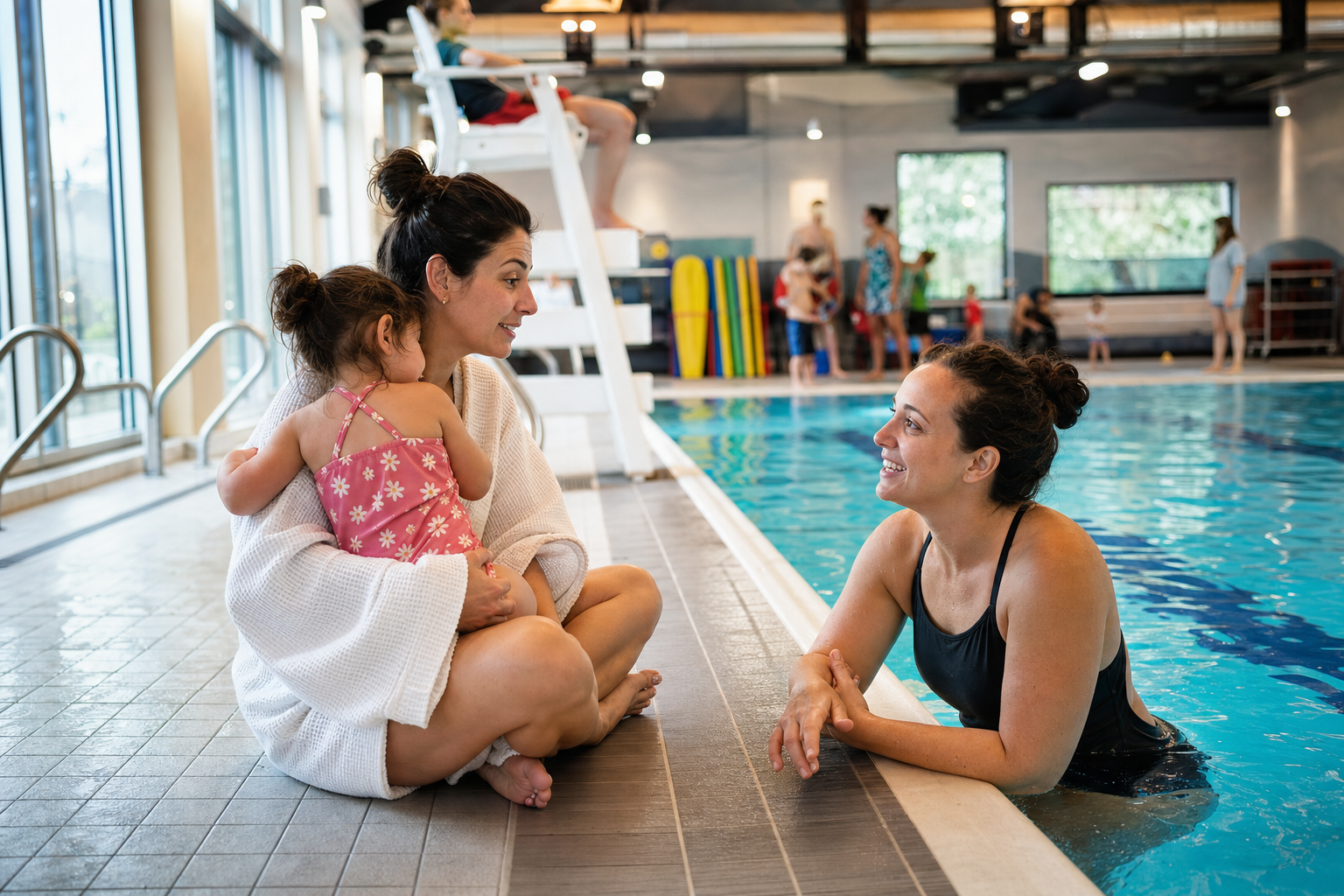
Got home from your toddler’s first swim lesson feeling shaken? If your baby was dunked without warning, seemed rushed, or left in tears long after normal first-day nerves, you might be wrestling with whether to stay with this swim school—or walk away right now. Here’s a decision framework so you can protect your child, ask the right questions, and act without guilt.
Why “one bad lesson” matters
Even a single unsafe or emotionally scary swim lesson can leave a mark. For babies and toddlers, water is new territory. If an instructor forces a submersion without warning, yanks them underwater, or uses harsh tones, the experience can trigger fear, panic, or refusal to try again. These are red flags beyond normal nerves. But most toddlers do take a few weeks—often 3 to 6 lessons—to adjust to new routines. Tears and hesitation in early sessions don’t always mean something's wrong. It’s when that emotional roughness includes surprise dunking, ignoring the child’s fear, or unsafe handling that you need to pay close attention. Parents on forums frequently report that loud instructors, forcing underwater dives, or unreasonable expectations are moments where they should have paused and asked for more information.
Part A: What to document
Before you raise a complaint or switch schools, you’ll want solid notes. Record what exactly happened: “Instructor said ‘ready, 3-2-1’ but then shoved my child’s face underwater without letting go of support.” Note the time, class details (who else was there, how many kids, what level), whether you saw credentials, and how your toddler reacted physically and emotionally. Visual markers—redness, gasping, crying—matter. Take photos or ask for video if allowed. Keep any emails or program literature that promise certain teaching methods, age-appropriate water depth or parent participation. These details strengthen your case for a refund or find alternative placements.
Part B: Questions to ask the manager
You deserve to know what kinds of practices they support. Ask flat out whether submersions are required on day one—if yes, how they warn children beforehand. Ask for the swim instructor’s credentials: is the teacher certified in toddler/infant swim safety? Are they trained in handling emotional distress? What’s the instructor-to-child ratio in this class for your child’s age? Is parent participation required or optional? Also ask if there's a clear curriculum or progression, how kids’ water readiness is assessed and communicated. Make sure there’s an adult supervision policy such as “touch supervision” (an adult within arm’s reach) during all parts of the lesson. You may find that another class or teacher at the same school meets your expectations—and switching teachers might solve the issue.
If you want a structured way to build water confidence at home, the 10-Week Plan guides you step by step.
Part C: When to switch swim schools—or request a refund
If after documenting and discussing with the manager you still feel your toddler was treated unsafely, switch swim schools. If submersion without warning is routine, or emotional roughness becomes regular and your child is more frightened than engaged, that’s not normal or acceptable. Ask for a refund if the school misled you about methods, failed to share safety credentials, or broke a promise about what would happen in class. Be polite but firm—you paid for safety and learning. Also keep in mind: avoid the “sunk cost” trap—just because you've already paid or feel invested doesn’t mean you should stay in a program that harms instead of helps.
[[ctababy]]
Part D: Where to go from here
After you decide to stay with this school (because after your questions you feel comfortable) or move on, you still want to protect your child’s relationship with water. If you stay, insist the instructor include you in class or keep you close enough to intervene if needed. Monitor growth and comfort—not just strokes. If you switch, look for a swim school that follows established guidelines: the US Swim School Association’s infant-toddler guidelines, for instance, call for short lesson durations (under 30 minutes), trained infant-toddler instructors, and caregiver involvement. (usswimschools.org) Also refer to the AAP’s updated drowning prevention policies: swim lessons should begin after age one, but submersions for infants under twelve months are controversial and often discouraged. (healthychildren.org)
Around the midway point in a safer program, you want a tailored plan. Some parents follow formal pathways like the 10-Week Plan on swimy.org, which lays out water readiness, emotional comfort, gradual submersion (if appropriate), and consistent progress. That structure offers both protection and measurable steps for your toddler.
Expert signs of instructor red flags
Here are signals you shouldn’t ignore: any forceful dunking without countdown or letting the child pull back; lack of transparency—teacher won’t show credentials or explain methods; large class sizes where toddlers get little individual attention; rude, dismissive responses when you ask questions. Also, letting frustration with your child’s normal fear or tears lead to harsh discipline is a red flag. Parents often post about instructors who refuse to let a child sit out when upset, or punish by holding a child underwater repeatedly. These go past lesson “nerves” straight into unsafe territory.
Avoiding pitfalls
It’s easy to fall into traps that keep you with a bad school. Ignoring a child’s painful first-day because you paid in advance (sunk cost). Staying because everyone else in your area uses that swim school. Or worse, quitting all water activities altogether out of fear, instead of seeking a safer format like parent-child classes or private lessons. None of those protect your child’s safety—or build comfort in the water—which lessons are supposed to do.
You deserve a swim program where your toddler feels safe, respected, and excited. After one unsafe lesson, take a step back. Collect your facts. Ask your questions. Then decide: stay with transparency or switch to something better. The right environment makes all the difference—from tears on day one to smiles splashing many days later.
120+ swimming exercises sorted by age — with video and instructions. Developed by swim instructors, completely free.

120+ swimming exercises sorted by age — with video and instructions. Developed by swim instructors, completely free.