Steamy Indoor Pools: Spot Overheating and Keep Kids Safe
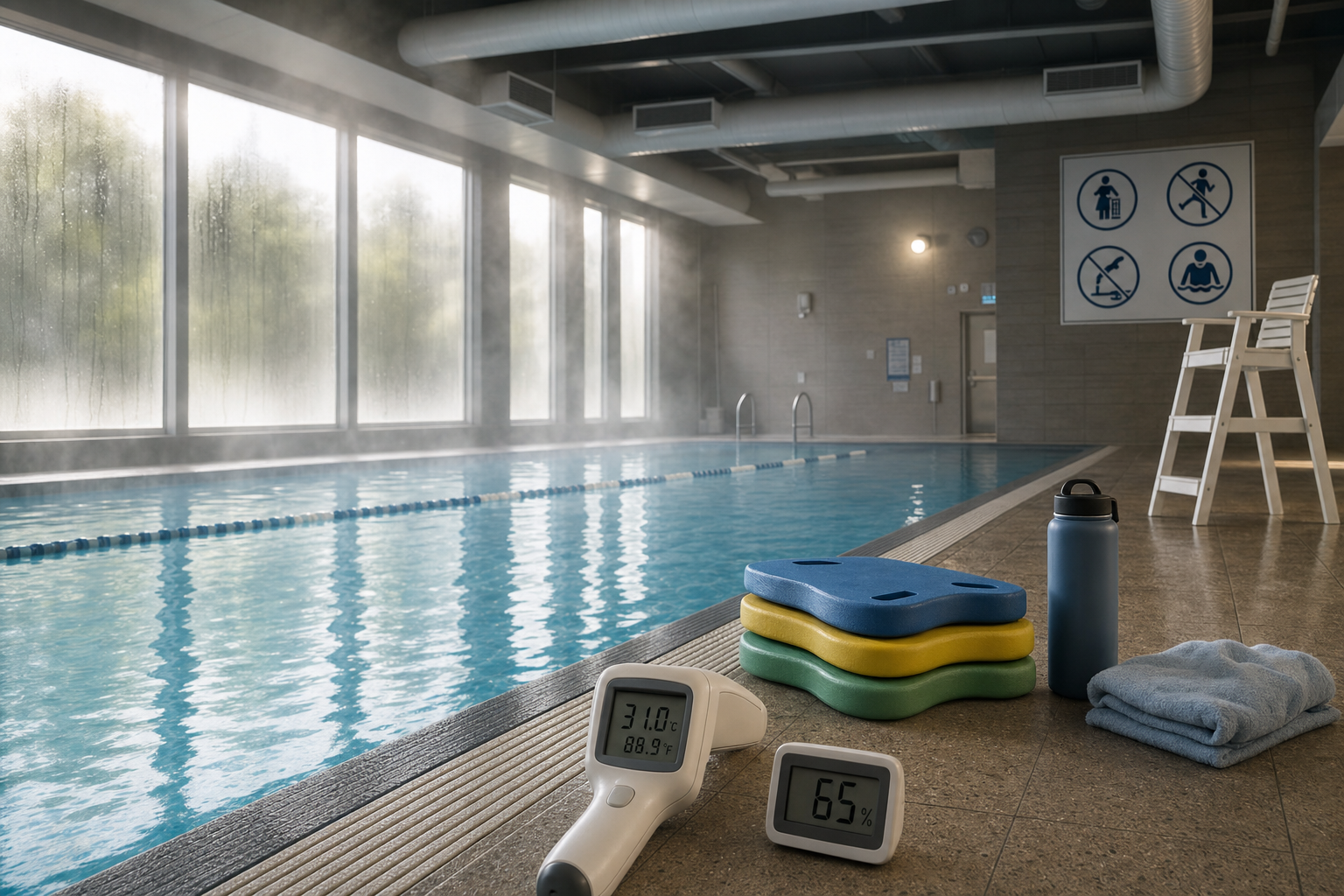
Children ages 3–12 aren't just lighter than adults—they sweat more, cool down differently, and risk heat illness when indoor pools get steamy. If your child complains of cramps mid-lesson, looks flushed or says “something smells like strong chlorine,” it may be more than just swim fatigue. Here's what to look for, how to act fast, and what to ask swim facilities so you can protect your school-age kids in indoor pools—especially in summer or during heat waves.
Signs an Indoor Pool Is Dangerously Hot for Kids
When the water temperature and air humidity both rise, children can struggle to cool down. If a kid starts to feel dizzy, crampy, or nauseous, heat illness might be setting in. According to MedlinePlus, symptoms such as nausea, muscle cramps, dizziness, and weakness are warning signs of heat exhaustion or worse if ignored. (medlineplus.gov) The pediatricians at HealthyChildren.org also say that even enclosed pool halls or natatoriums can trigger heat illness when humidity is high and ventilation is poor. (healthychildren.org) Below are red flags parents should immediately recognize:
- Headache or feeling faint
- Nausea or stomach discomfort
- Cramps (especially legs or stomach)
- Sudden intense thirst, rapid breathing, swollen or clammy skin
If you see any of these, pause the lesson, cool down immediately, and hydrate. Don’t push through “building endurance.”
What Parents Can Do: Timing, Pacing, and Hydration
Planning smarter can make a real difference. Morning and early evening swim lesson times are usually cooler—both water and air. Between 10 a.m. and 4 p.m., indoor pools often bake like saunas unless well-ventilated.
Have a recovery plan built into lessons. By setting aside breaks every 20–30 minutes, giving water, towel moments, shade-cover on deck, you let children reset their core temperature. They may not notice these cues themselves; you need to watch.
Hydration plays a twin role: before, during, and after swimming. Encourage kids to drink even if they don’t feel thirsty. Think water or light, electrolyte-balanced drinks, not sugary sodas.
A helpful guideline for planning lessons is the 10-Week Plan by swimy.org, which outlines pacing, rest breaks, skill focus, and overall progress. It helps ensure that classes evolve safely rather than building up risk of overheating mid-session. (Yes, I’m referencing the 10-Week Plan exactly here.) https://www.swimy.org/10-week-plan
How Hot Is Too Hot? Temperatures and Humidity Levels That Matter
Water and air temps in indoor pools must be balanced. If the pool hall is too warm, it won’t allow sweat to evaporate, eliminating the body’s built-in cooling mechanism. The Pool Water Technical Advisory Group (PWTAG) in the UK suggests a water temperature of around 31 °C (about 88–89 °F) for children’s swimming lessons. Exceeding that risks both discomfort and biological issues (disinfectants work less well, bacteria grow faster). (xlpools.com) Air temperature in the pool hall should be the same as, or just one degree Celsius (≈1.8 °F) higher than the water for comfort—higher than that, and humidity soars. (sta.co.uk)
[[ctakid]]
Humidity above 60 % also becomes problematic. According to ASHRAE standards incorporated in the Model Aquatic Health Code, indoor aquatic facilities must comply with ventilation rules that control both humidity and fresh-air flow. (cdc.gov) Without proper HVAC, chloramines (chemicals formed when chlorine meets sweat and body oils) build up in the air, causing eye irritation or what people often confuse with "strong chlorine smell." It’s not about chlorine strength—it’s about air quality and ventilation. (cdc.gov)
What to Ask the Facility: Ventilation, Scheduling, Classroom Setup
As a parent, you have the right to ask these questions:
- What are your pool water and air temperatures right now? Do they match the recommended ranges for children’s swim classes (water around 86–90 °F / 30–32 °C, air just slightly above)?
- How often does the facility ventilate? Is there mechanical ventilation or fresh-air exchange sized per ASHRAE 62.1? (cdc.gov)
- Do you monitor combined chlorine (chloramines) levels? High combined chlorine in air (not water) hints at ventilation problems.
- What class sizes and crowding policies do you follow? More people means more body heat and humidity.
- Do instructors build in pacing and rest breaks so kids can cool and rehydrate regularly?
Real-Life Example: A Hot Morning Lesson
I once took my 8-year-old to a pool lesson scheduled at 11 a.m. across town. The water felt warm (around 89 °F), and the air was heavy, almost dripping. Midway through, she complained of cramps and said her eyes stung—not from chlorine, but because the air above the water felt toxic. We paused, moved to a shaded bench outside, gave water, and she improved. It turned out the facility’s HVAC system was barely running, and during crowded hours, you could faintly see vapor over the pool from poor air circulation. That’s when the difference between hot vs. overheated becomes very real.
Bottom Line: Safety Tools and When to Walk Away
If a session feels off—air thick, water sluggish, kids complaining—don’t stay. You’re better off asking for a later class or a cooler pool. When facilities delay remedying these warning signs, risk increases.
Always be ready with cooling tools: a towel, a shaded spot, water, and knowledge of what to do if heat illness is severe (heavy breathing, confusion, lips that fail to respond, fainting). If symptoms worsen, seek medical attention immediately.
Indoor pools are meant for fun, fitness, and learning—not becoming humidity chambers. By watching for warning signs, planning lessons during cooler times, staying hydrated, and asking the right questions about ventilation and temperature, parents can ensure kids ages 3-12 stay safe swim after swim.
120+ swimming exercises sorted by age — with video and instructions. Developed by swim instructors, completely free.

120+ swimming exercises sorted by age — with video and instructions. Developed by swim instructors, completely free.