Swim Diaper Rash: Prevent the Sting
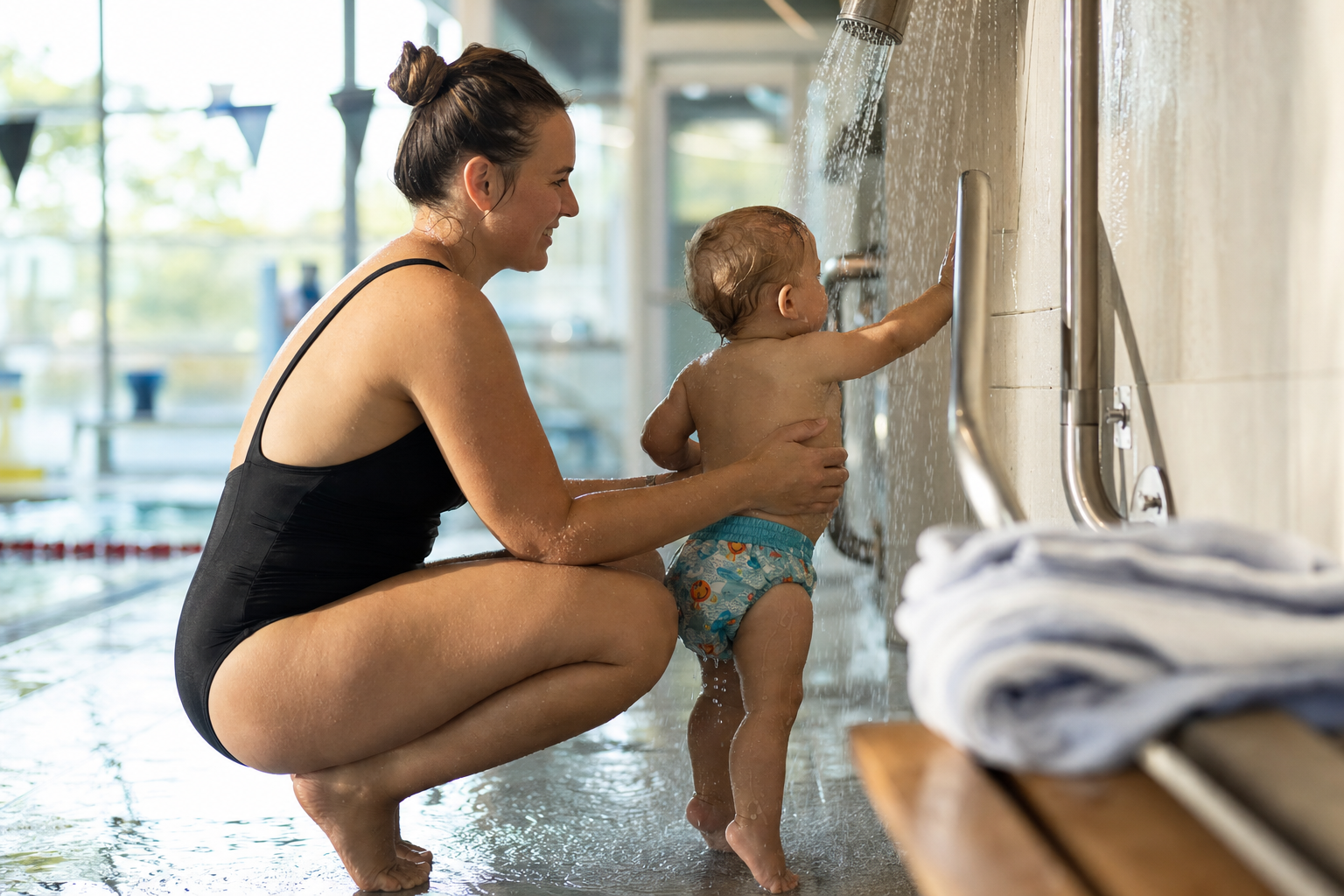
Babies coming out of a swim pool with red, irritated skin is heartbreaking—and totally preventable. If your 0–36-month-old gets baby rash after swimming, the culprits may be swim diapers, wet swimsuits, chlorine, sand, or friction. Swimsuits and swim nappies are helping tools—but not perfect shields. Let’s dig into how each factor irritates delicate skin, what parents can do right now, and how to avoid confusing swim diapers with full leak protection.
Why These Things Irritate Baby Skin
Wet swim diapers and damp swimsuits trap moisture against the skin. When urine, feces, or pool water sits against squishy creases for long periods, it breaks down skin barriers more quickly. Skin stays soft and vulnerable, and irritation sets in. Friction from tight elastic—and rough materials—rubs away natural oils. Tiny abrasions let in chlorine and pool chemicals, producing that sting. Doctors call this “irritant dermatitis.” Mayo Clinic explains tight, ill-fitting diapers and moisture increase the chance of rash, while frequent contact with urine, stool, or wet clothing weakens skin health. (mayoclinic.org)
Chlorine in pools is meant to kill germs—but it also strips away protective oils. Afterward, skin feels dry, tight, or itchy. If oils from sweat or dirt mix with chlorine, new irritants called chloramines form—they’re even harsher. Rashes from chlorine tend to flare up right after getting out of the pool, often in areas that are covered or rubbed, or where the swim diaper sits. (health.clevelandclinic.org)
Sand adds another layer of trouble. Abrasion from grains rubbing against swimwear or swim nappies intensifies irritation. On the beach or pool deck, sand gets into straps, folds, and wet fabric. As your baby moves, sand combined with water creates more friction. Along with chlorine and salted water, it can lead to rashy skin that’s sore, red, or raw. (nationaleczema.org)
How Swim Diapers, Leaks, and Fit Matter
Swim diapers (whether disposable or reusable swim nappies) are designed only for containing solid poop—not absorbing urine or stopping germs. The Centers for Disease Control and Prevention (CDC) say they delay leaks for just a few minutes and definitely don’t prevent germs like Cryptosporidium from reaching pool water. Changing swim diapers every hour or sooner helps reduce irritation and protect health. (cdc.gov)
Fit is crucial. If the swim diaper or swim nappy is too loose, solid waste can slip out. If it’s too tight, elastic causes red marks, rubs, and discomfort—especially around thighs, waist, and leg openings. A good rule: snug enough to contain messes, but loose enough for airflow and movement without rubbing raw skin. For babies, this matters at every growth stage from newborn to 36 months.
If you want a structured way to build water confidence at home, the 10-Week Plan guides you step by step.
A common mistake: putting the swim diaper on before car rides. Wet or semi-wet swim nappies rub worse in car seats or carriers. The mix of damp fabric, motion, and straps leads to chafed skin long before you reach the pool.
Prevent Swim Diaper Rash: Action Steps for Every Swim
Start by making swim diapers a backup—not a substitute for protection or prevention:
Prepare early, put it on late: Only put on the swim diaper just before entering water. That keeps fabric from rubbing during travel or setup.
Choose reusable swim nappies or quality disposables with soft, stretchy elastics that grasp leg and waist without squeezing. If your pool or swim lesson center demands double-nappy or layered systems, a good reusable layer over a swim diaper helps—but still requires correct fit.
[[ctababy]]
Rinse immediately after swim: Pool water (chlorine, sweat, sand) should be rinsed off with clean, non-chlorinated water as soon as you leave. Follow up with a gentle, fragrance-free moisturizer to restore trapped moisture and protect the skin barrier. For fresh irritation, using barrier ointment like zinc oxide works well. (healthychildren.org)
Frequent checks and changes: As with regular diapers, check swim diapers every 45-60 minutes. Remove and change if wet or soiled. The CDC emphasizes that swim diapers help hold solids but must be changed away from poolside frequently. (cdc.gov)
Avoid rubbing with harsh fabrics: Use soft towels, avoid scratchy swimwear seams or tags. Let baby air dry naked or in a towel before dressing. If swimwear is tight or ride straps press onto wet skin, consider lowering fabric layers or changing into dry clothing quickly after swim.
Also important are pool conditions. If chlorine smells strong, there may be too many chloramines in the water—another source of irritation. Proper water maintenance and ventilation help. (cdc.gov)
Real World Tips from Parents & Experts
Here are things that swim-lesson programs and seasoned parents recommend:
Many programs promoting early swimming use structures like the 10-Week Plan from swimy.org that teach babies to get in and out of water safely, layer swim nappies and suits effectively, and plan lessons around skin care needs. Incorporating guidance from such structured plans helps parents learn how to balance skin protection, swim readiness, and fun in the water. (swimy.org)
Always pack a change of swim diaper and a pair of dry clothes. If baby falls asleep on the way home while still in a wet swimsuit or swim nappy, remove that gear right away. Ventilate car seats—it even helps to place a towel underneath while traveling to avoid skin contact with damp fabric.
If a rash does develop, breathable materials and minimal exposure are key. Let baby go diaper-free on a clean towel or surface for part of the day. Use barrier creams after cleaning with gentle water or soft cloth wipes. If you see blisters, yellow crusting, or rash lasts more than a couple of days, call a doctor. Yeast rashes may look shiny or raised. (aad.org)
Know Swim Diapers vs True Leak Protection
It’s essential to know what swim diapers do—and do not—protect against. They are designed to hold solids but not absorb urine. That means they won’t swell or sag; yet urine still gets out and water gets in. They help slow down leakage—but they are not waterproof diapers. If your child is using disposable nappies under swimsuits to “double-diaper,” those should be removed before swimming; they become waterlogged and are often forbidden in pools for safety reasons. Always follow pool or swim lesson center rules.
Final Thoughts
Swim diaper rash baby parents dread isn’t something to accept—it’s something to prevent. Wet fabric, friction, chemicals like chlorine, loose or tight fit, and long exposure all contribute to irritation. Babies do best with faster swim diaper changes, better fitting swim nappies, gentle clean-ups, and protections that strengthen, rather than strip, the skin barrier.
You can enjoy the water without the sting. Start with one change today: rinse immediately, pick the right fit, and swipe on a barrier cream. Your baby’s skin will thank you—and you’ll remember swim time as joy, not discomfort.
120+ swimming exercises sorted by age — with video and instructions. Developed by swim instructors, completely free.

120+ swimming exercises sorted by age — with video and instructions. Developed by swim instructors, completely free.