Swimming Alone With Your Baby: A Solo Parent’s Pool-Day Plan
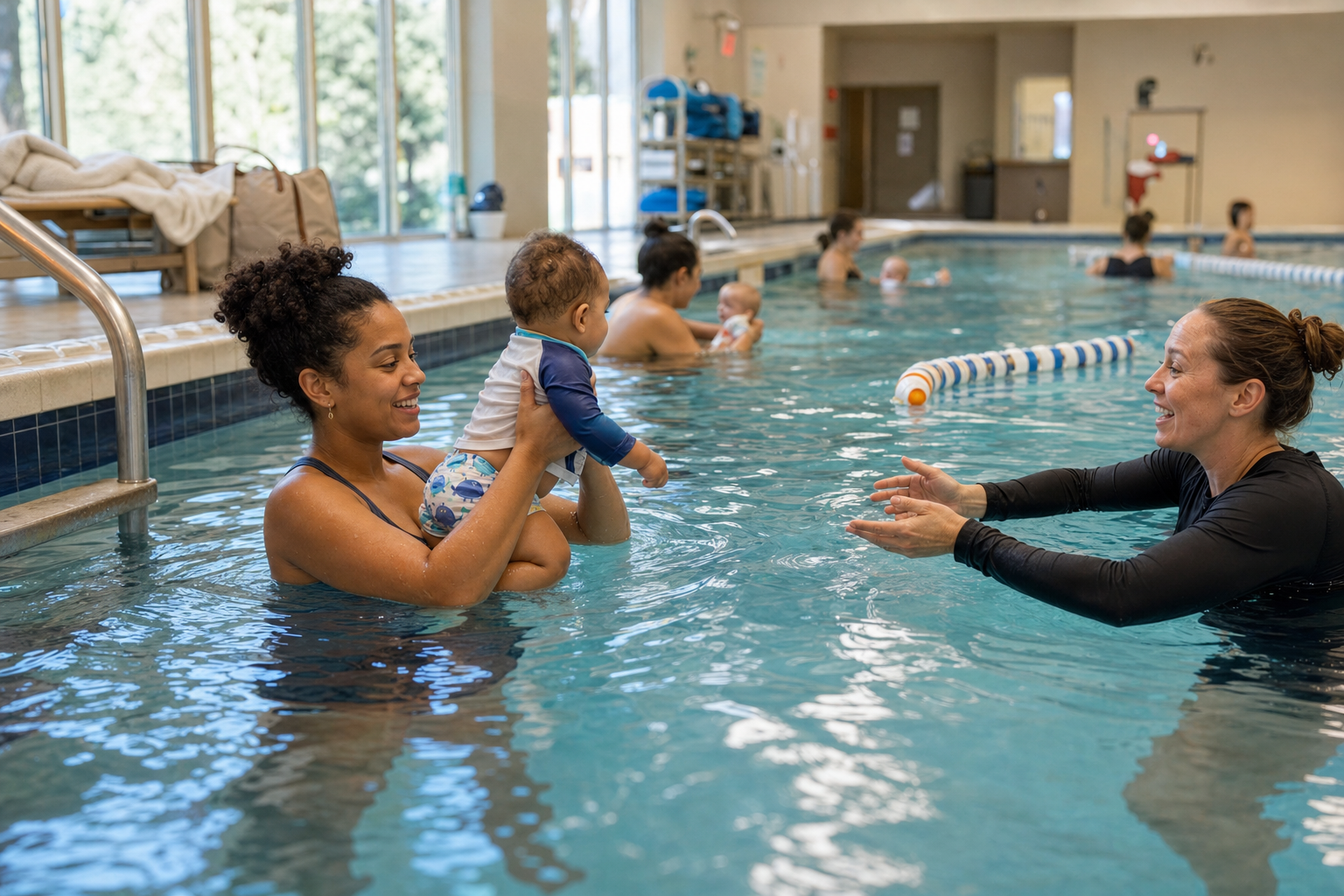
You’re heading to swim class with your baby or toddler (0-36 months) by yourself. You’ve got your bag, swim diaper is dry, but how will you handle the car seat, changing room, shower time, towels—and keep your child supervised the whole time? This practical guide has you covered—step by step, before class, during, and after—so you can take baby swimming alone without panic.
Before Swimming: Gear Up and Strategize
Start with what you put in the car—and how. First, dress yourself in your swimsuit under clothes if possible; it saves time changing. For baby, putting them in swim diaper (plus regular diaper over it on the drive) helps catch leaks and keeps that car seat relatively dry, a tip many parents swear by in forums like reddit about taking baby to class by yourself.(reddit.com) Pack items you’ll need in chronological order: dry clothes, extra diapers, swim diapers, towels, changes of swim gear. Bring something safe for baby to sit in (a well-secured car seat or approved carrier) so you keep supervision when dressing or showering.
Choose a pool with family or gender-neutral changing rooms—we’re talking larger stalls, space for car seat, benches at reachable heights. Before booking classes, check swim lesson programs designed for babies and toddlers; the AAP notes that lessons should have warm water (about 87-94°F), qualified instructors, and constant adult supervision for age under four.(healthychildren.org) To build your baby's skills over time, consider programs like the 10-Week Plan by swimy.org, which lays out weekly goals and helps solo parents track essentials like safe handoffs and wet-gear management. (Yes, check out the 10-Week Plan.)
During Swim Class: Safely Handling Changing, Hand-Offs, and Supervision
You’ve arrived. Keep baby’s car seat strapped into a sturdy chair or bench (only if allowed in the changing room); never leave a mobile baby unattended. When it’s time to change into swim gear, use a bench close to you so you can keep a hand always on them. The CDC’s diaper changing guidance reminds parents: a parent should keep a hand on the child for safety at all times.(cdc.gov)
During class, you’ll be in the water. Keep baby in arm’s reach—AAP calls this “touch supervision.” Boats, floaties, rings—fun props maybe, but unreliable.(healthline.com) If baby needs changing mid-class, follow pool rules: change in locker room, not on pool deck. Sanitary rules often prohibit pool-deck diaper changing to keep water clean.(edgebrookclub.org)
If you want a structured way to build water confidence at home, the 10-Week Plan guides you step by step.
As you leave water, wrap baby in towels or a waterproof robe. Remove swim diaper, pat dry, put on regular diaper and warm clothes. Flash towel use is key—pool decks are slippery, and cooling happens fast, especially for infants.
[[ctababy]]
After Swim Class: Car Seat, Shower, and Clean Exit
Once out, go through your exit checklist: every wet item into a plastic bag so your car seat isn’t soggy. Some parents carry a compact shower sandal or flip-flop so they can shower without standing barefoot on communal floors. Make sure baby is clean from hair shampoo, soap so residue doesn’t irritate skin or eyes later.
Dry baby thoroughly, paying attention to ears; the CDC warns that water in ears left to sit may lead to swimmer’s ear.(cdc.gov) Then move to dress: sometimes it helps to bring layering clothes that go over the swimsuit so you don’t have to change baby fully in a cramped stall. Keep an eye on the car seat area—don’t leave baby at risk on deck benches or changing room floors.
Take your time loading into car safely. Towels underneath car seat or a seat liner help with moisture protection. Let baby settle in—sometimes a feed follows. Always plan exit routes that avoid slippery walkways or tight turns while you balance baby, bag, and gear.
Common Pitfalls and How to Avoid Them
Moving hot water, slippery floors, screaming baby—solo swim days are demanding. Do a trial run: pack everything the night before, rehearse using the car seat in the trunk or back seat, walk through changing room entry and exit routes. Timing matters—aim for swim class during off-peak visitation hours when changing rooms are less crowded.
One issue many parents face is diaper leaks: swim diapers aren’t absorbent, so using a regular diaper over swim diaper for the ride home keeps things much drier.(reddit.com) Another tricky moment is mid-lesson emergencies: pack extra diapers, plastic bags, and maybe even an emergency outfit if pool sessions run long or classes are delayed.
Safety Reminders You Can’t Skip
Always keep baby in arm’s reach when in water, never leave unsupervised on benches or pool decks. Ensure pool water is clean, chemical levels safe, and drain covers secure.(stanfordchildrens.org) Never rely on inflatable gear for safety—life jackets with proper rating are far safer than toys or floaties. The CDC and American Academy of Pediatrics insist on continuous supervision—especially for 12- to 36-month-olds when drowning risk is highest.(healthline.com)
If at any time you feel overwhelmed, remember it’s okay to ask the instructor or pool staff for help—many are familiar with solo parent logistics and may allow alternative changing setups or assist with bag placement. Building community with other parents in class may also supply shared tips or emergency swaps when help is needed.
Solo parent swimming class days are possible—with prep, strategy, and awareness of safety risks. Use the timing, the layout, and your gear to your advantage. Keep a hand on your child, plan your steps ahead, protect your car seat, change safely, and stay dry. The more you practice this routine, the smoother take baby swimming alone becomes—and more fun for both of you.
120+ swimming exercises sorted by age — with video and instructions. Developed by swim instructors, completely free.

120+ swimming exercises sorted by age — with video and instructions. Developed by swim instructors, completely free.