Swimming With Braces: A Parent’s Quick Guide to Mouthguards and Hygiene
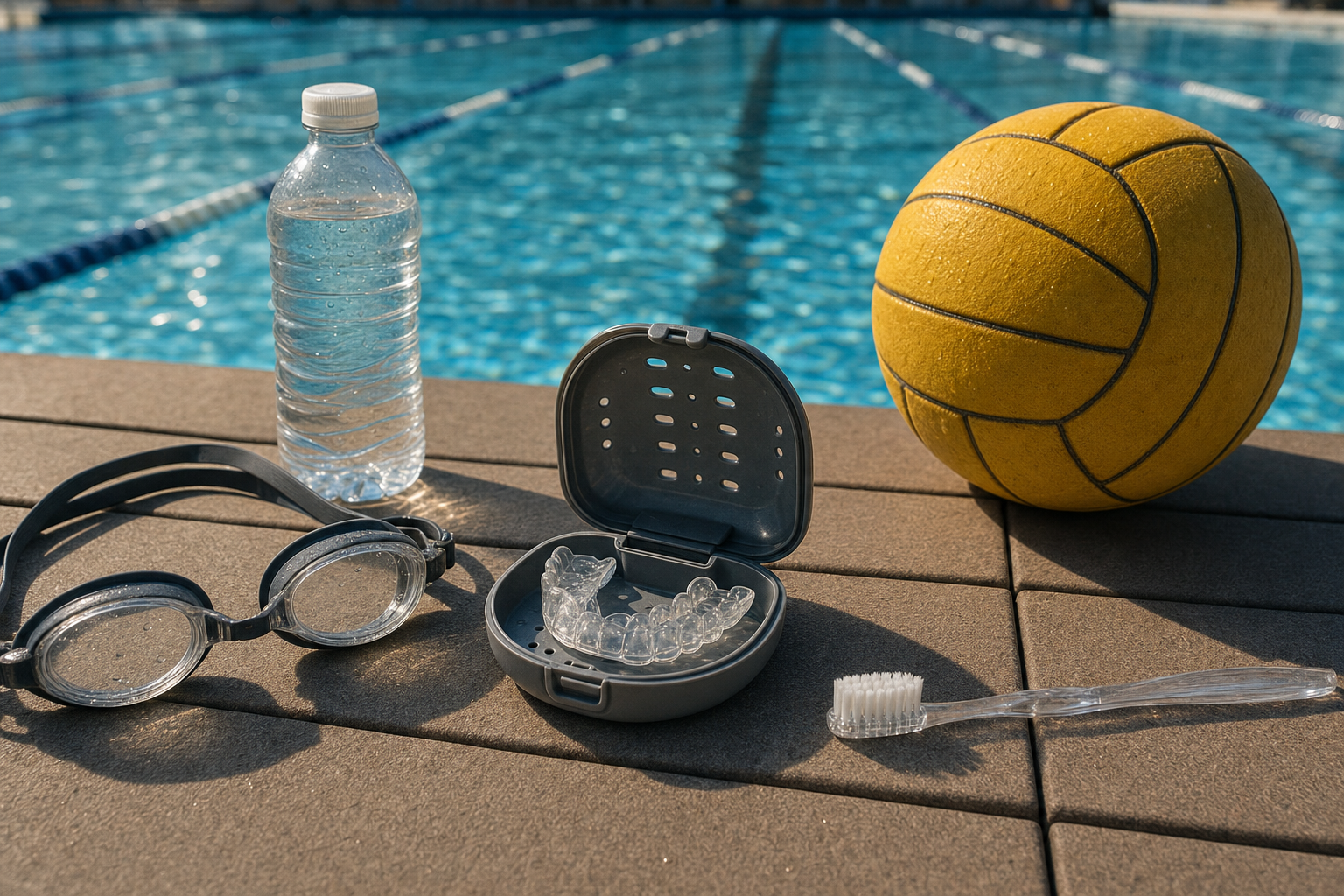
If your child has braces and loves swimming—or wants to play water polo—you’re probably wondering: can my child swim with braces safely? The straightforward answer is yes, kids aged 8–12 absolutely can swim with braces. But to keep their teeth, brackets, and smile in top shape, you’ll want to know when a special mouthguard is necessary, how to choose the right one, how to care for it—and what pool-day hygiene should look like.
When Is a Mouthguard Smart for Braces and Water Sports
As soon as braces go on, impact becomes more dangerous. Sports like water polo, surf lessons, or rough-and-tumble pool play put lips, cheeks, and teeth at extra risk. A braces-friendly mouthguard for braces water polo or any contact water sport helps prevent damage. The guard cushions brackets and keeps wires from cutting soft tissues; it can even protect against broken brackets. The American Association of Orthodontists strongly recommend using one when there’s risk of collision. (limestonehillsorthodontics.com)
If your child is just doing lap swimming or taking lessons (no contact or high-risk activity), a mouthguard might not be essential—but pack one anyway. Better safe than repairing a broken bracket just before a meet.
Fitting and Caring for Braces-Friendly Mouthguards
Orthodontic mouthguards are different from regular stock or boil-and-bite guards. They have a deep channel and extra space to clear brackets and wires, and should flex or be remolded as teeth shift. (limestonehillsorthodontics.com)
When fitting:
- Use a mouthguard specifically labelled for braces or orthodontic use—not a plain boil-and-bite made for normal teeth. Regular guards can lock around brackets and damage them. (limestonehillsorthodontics.com)
- Some products like SISU require use of a barrier (such as dental wax) over brackets during the fitting to prevent vacuum suction and respect the shape as teeth move. (sisuguard.com)
- Never boil mouthguards too hot; hot water or heat can warp the material—always follow the manufacturer or orthodontist instructions. (limestonehillsorthodontics.com)
Caring for the mouthguard:
Every pool day, rinse it in cool water (never hot) right after taking it out of the mouth. Brush gently with a soft toothbrush. Store in a ventilated case so it can dry and avoid bacteria buildup. Inspect for wear, thinning, or any part that stops seating well over brackets. Kids with braces will need replacements more often because teeth are moving. (limestonehillsorthodontics.com)
If you want a structured way to help your child progress at home, the 10-Week Plan guides you step by step.
Pool-Day Hygiene to Protect Braces and Teeth
Chlorine and pool water itself won’t undo brace work, but certain mistakes can cause problems. Rinse after chlorinated sessions to remove chemicals that can irritate gums, wires, or cause buildup. Brush and floss whenever possible—especially after snacks, sugary sports drinks, or treats at swim meets. Sugary drinks are a big pitfall; they cling to brackets and wires and lead to cavities. Keep water bottles on hand and save sugary stuff for after you've rinsed and cleaned teeth. (darwinortho.com.au)
[[ctakid]]
For children using clear aligners rather than traditional braces: yes, they can swim with clear aligners in gentle water, but risk losing them in surf or letting debris-laden water trap beneath. If you remove trays for contact water sports, always store them in their hard case and rinse both trays and mouth after swimming. Heat and sun can distort plastic aligners—so keep them shaded and never leave them in a hot car. (darwinortho.com.au)
Handling Best Protection for Braces “On” Duration
Using a mouthguard doesn’t mean you store braces-care tasks for later. Between lessons or contact sports, having braces or aligners in means routine hygiene must follow. Rinsing in clean water, brushing gently, and avoiding frequent sugary exposure matter. Aligners must be worn roughly 20–22 hours per day; losing one in the poolside or surf means stepping back to the previous aligner and calling your orthodontist. (darwinortho.com.au)
Also, plan your swimming commitments so you don’t stretch replacement of mouthguards or aligner trays beyond their effective life. A guard that doesn’t fit properly renders its protection useless.
Planning Swim Lessons, Sports Seasons, and Braces
Many parents follow a structured swim-training approach to build skills and confidence—if your child is involved in lessons or club swimming, pairing those lessons with physical safety makes the season smoother. One approach parents use to support progress in swim seasons is the “10-Week Plan” swimy.org offers, a structured set of practice and goal steps. Adding the braces narrative means including mouthguard checks, hygiene routines, and backup hygiene kits right from week one. (swimy.org)
Think ahead: before surf camps, water polo tournaments, or lessons during scorching summers, ask your orthodontist to check fit of mouthguard and assess any early sign of damage. Plan where and how your child will clean up post-swim—pack soft brushes, kits, clean water, and avoid storing aligners loose in towels or bags where they could be lost. (darwinortho.com.au)
Swimming with braces doesn’t have to mean worrying all the time. Use a properly fitted orthodontic mouthguard for contact or impact water sports, care for it with cool water and gentle cleaning, and build smart pool-day hygiene habits—rinse, brush, store safely. With those in place, your swimmer aged 8-12 can enjoy pool days, improve strokes, compete, and splash without compromising their smile. Reward every clean mouth and protected brace—because every swim is part of growing strong, safe, and smiling.
120+ swimming exercises sorted by age — with video and instructions. Developed by swim instructors, completely free.

120+ swimming exercises sorted by age — with video and instructions. Developed by swim instructors, completely free.