Swimming With Ear Tubes or Ear Infections: What Parents of 6–36-Month-Olds Need to Know
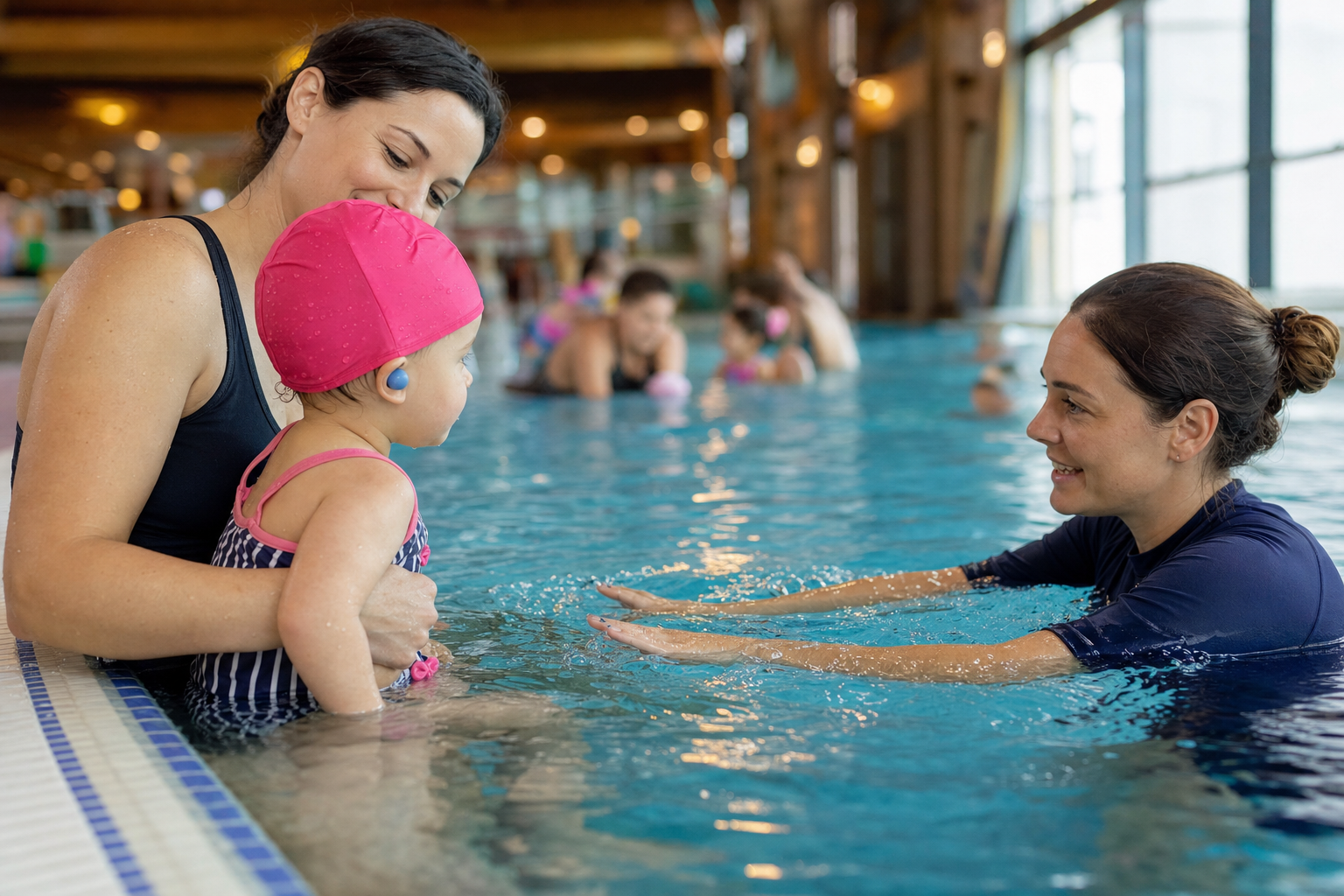
When your toddler has had multiple ear infections or just received grommets (ear tubes), you probably want swimming lessons, splash play, or just cool dips to continue—but without painful setbacks. Here are clear, medically backed answers to top questions parents ask, so your child stays safe, heal well, and gets back to the water with confidence.
Can my baby swim after an ear infection?
If by “ear infection” you mean a middle ear infection (behind the eardrum), avoid swimming until the infection has fully cleared up and your clinician gives the green light. Going in too soon risks trapping bacteria, causing swelling or even relapse. The key warning signs: fever, ear pain, fluid leaking from the ear, or any reduced hearing. In toddler-aged children, those signals may show up as tugging at the ear, fussiness, or trouble sleeping. Once symptoms resolve and your doctor says it's OK, short swims in treated, clean water are usually safe.
Swimmer’s ear (otitis externa), an infection of the outer canal, is different. Children with swimmer’s ear need rest from water exposure until the pain and drainage are gone. Clean showers or baths are usually fine if the ear canal is carefully dried afterward. (healthychildren.org)
What about toddler ear tubes swimming (grommets)?
Ear tubes, or tympanostomy tubes, are tiny openings in the eardrum that help fluid drain from the middle ear. They’re most often placed between ages 1 and 3 when kids have repeated ear infections or fluid that doesn’t go away.
A recent 2026 study found that children with ear tubes who swim in treated (chlorinated) pools are not at higher risk of ear drainage. Meanwhile, swimming in lakes, rivers, or untreated water did increase the risk. It confirms the clinical guidelines that do not require routine water restrictions or earplugs for pools if the water is clean. (entnet.org)
After grommet surgery, most doctors advise skipping swimming for about one week while the eardrum heals. After that, kids can usually swim in clean pools without plugs unless infections happen or their ENT recommends protection for dirty or natural water. (entsurrey.com)
If you’re considering lessons for your 6–36 month old with ear issues, balancing fun with ear health is possible. Choose pools that are well-maintained and treated. Short lessons, gradual submersion, supervised exposure help reduce risk. You might want to check out the 10-Week Plan from swimy.org which is designed to help parents teach their toddlers to swim safely and build confidence in the water. It emphasizes safe practices around ear health too. (Swimy 10-Week Plan)
[[ctababy]]
Can swimmer’s ear be prevented—and does water always cause infections?
Swimmer’s ear happens when water stays in the outer canal and softens the skin, letting bacteria or fungus grow. It’s not the same as a middle ear infection. Water contact—like swimming in untreated water or even staying in the bath too long—matters more than simply being in the water. Also: frequent scratching, cotton swabs, eczema, or skin irritation increase the risk. (my.clevelandclinic.org)
Preventing swimmer’s ear includes keeping the outer ear dry, using ear caps or ear plugs when appropriate, and avoiding cotton swabs. After swimming, tip your child’s head to each side to allow water to drain, dry gently with a towel, or use a hair dryer on its lowest setting at a safe distance. Some parents use vinegar-alcohol drops after swimming (unless there are tubes, drainage, or skin breaks), but always confirm with your pediatrician. (cdc.gov)
When to pause swimming & when to ask for help
Pause all swimming if your child has an active middle ear infection with fever or drainage. For swimmer’s ear, keep water out until symptoms like pain, itchiness, or discharge are gone. If you see persistent drainage, swelling, severe pain, or symptoms last longer than about a week even with treatment—call your clinician. ENT help is needed especially if toddler has tubes and the ear keeps discharging fluid. (ent-surgery.com.au)
Do ear plugs or surface swimming help?
For children with ear tubes who are in treatable pool environments, plugs usually aren't needed unless their ENT recommends it. Custom swim molds or silicone plugs are options especially if swimming in untreated water. After surgery, a swim cap can help keep careless splashes or pool water out of open ears. Surface swimming (keeping the ears above water) is always safer while healing. Key is to choose ear protection that doesn’t irritate the canal. (ent-surgery.com.au)
Planning swimming lessons early?
—
By following your child’s clinician’s advice, keeping ears dry when needed, using protection selectively, and watching for signs of infection, you can help your toddler enjoy swimming without recurring pain. Every child’s situation is unique—ear tubes, infection history, and environment matter. When in doubt, talk to your pediatrician or an ENT specialist. Your little one deserves safe splashes—happy swimming!
120+ swimming exercises sorted by age — with video and instructions. Developed by swim instructors, completely free.

120+ swimming exercises sorted by age — with video and instructions. Developed by swim instructors, completely free.