Teaching Toddlers Not to Rescue Others: Stop. Shout. Get a Grown-up.
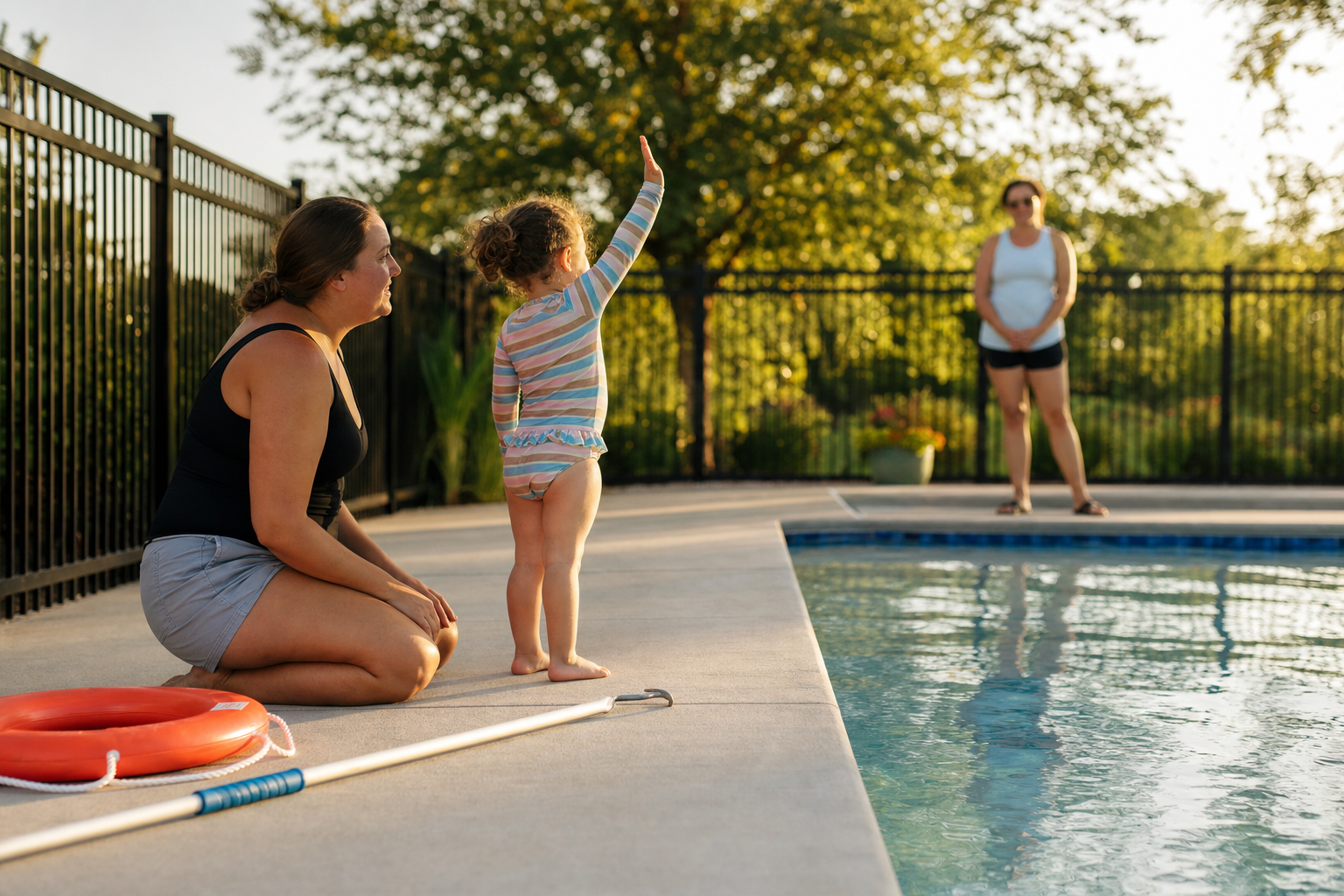
When toddlers between 24–36 months see someone struggling in the water—sibling, cousin, friend—they often react by rushing in. This natural impulse is dangerous. The most crucial thing to teach is that they must never go into water themselves. Instead, use a strict but simple script: “Stop. Shout. Get a grown-up.” This lets toddlers know their job is to call for help, not try to be rescuers.
Why “Reach, Throw, Don’t Go” Matters for Toddlers
You might think reaching or grabbing is safe—but for toddlers, trying to rescue someone by entering water is high risk. Safety experts promote the Reach, Throw, Don’t Go guideline: use something long to reach; throw something that floats; never go into the water unless you are trained or a grown-up is already doing it. WaterWiseKids makes this very clear, saying calling 911 or bringing in an adult is more effective than leaving them to attempt rescue themselves. (waterwisekids.com) In the U.K., fire and rescue services use "Shout, Reach, Throw, Don’t Go"—same idea, same warning. (cheshirefire.gov.uk)
Toddlers are still developing coordination, strength, and judgment. They may see adults or older children grabbing, diving, or jumping in to rescue, and imitate that. That is precisely what parents should prevent. Encouraging children to stay safe by calling for an adult or using a tool from dry land helps avoid tragic outcomes.
How to Teach a “Toddler-Safe Rescue Script”
Here’s a script that is simple enough for your toddler to remember and act on: Stop. Shout. Get a grown-up.
- Stop means freeze what they're doing—don’t move toward water.
- Shout means scream or call out loud: “Help! Grown-up!”
- Get a grown-up means go to a parent, caregiver, or the closest responsible adult.
Rehearse this often, on dry land—near a bathtub, a sandbox, or a kiddie pool without water—so they can practise without fear. Use role play: someone pretends to drop a toy near a pretend pool, toddler stops, shouts, fetches parent. Always reinforce that “going in the water” is off limits, even if the person is a friend or sibling.
Practising Helper Behaviour Without Fear or Overconfidence
You want your toddler to feel empowered—but not overly confident. On dry land, build helper skills that align with the reach-and-throw idea but don’t involve actual water.
If you want a structured way to build water confidence at home, the 10-Week Plan guides you step by step.
Set up simple games: pretend a toy is floating just out of reach, encourage child to use a broom or stick to “reach” it. Or play catch with floatable items: throw soft, safe things they can “rescue” (under supervision and well away from water). Lie down on your tummy while pulling, so your balance is stable and you stay safe. These games reinforce so many pool rules for toddlers: never lean too far over a pool edge, always ask permission, always use something floating.
[[ctababy]]
You could also draw on structured programmes: for example, the 10-Week Plan from Swimy includes dry land skill-building and basic swim readiness exercises, which help toddlers understand water safety cues and recognise danger without increasing their eagerness to try heroic rescue. (swimy.org)
Common Pitfalls to Avoid
Many parents praise bravery—“You were so brave for trying to help!”—but this can backfire. If you praise attempts to rescue, toddlers may feel that going into water is the right thing to do. Instead, praise the safe action: “I’m proud you shouted for help and didn’t jump in.” Reinforcing the safe option builds the habit.
Another pitfall: assuming that swim lessons alone mean supervision isn’t needed. Studies show many caregivers believe watching needs lessen after a child takes lessons. But even toddlers who have water competency skills still require close, constant supervision. (pmc.ncbi.nlm.nih.gov) Also, life jackets are not rescue tools for toddlers—but they are an important protection layer when near boats or open water. Pool rules for toddlers should always include touch supervision and life jackets where appropriate. (cdc.gov)
Using Layers of Protection
The American Academy of Pediatrics and the CDC describe multiple layers of protection. You shouldn’t rely on one: close supervision, barriers like pool fences, life jackets or floatation devices, and swim and safety education all work together. (cdc.gov) If a toddler sees a sibling grab a toy and slip into water, the stop-shout-get a grown-up script plus supervision and barriers can prevent tragedy.
Putting It into Practice
When you visit a pool or water area, make the rules visible and simple: put “Stop. Shout. Get a grown-up” in writing or draw it with pictures. Walk your toddler through what to do if seeing someone in water when you’re distracted—point to the list and practise the script. In the bathroom, when bath time happens, rehearse asking permission before touching water or filling the tub.
Parents can model safe behavior too. Always get permission before entering water, always use a life jacket where required, always supervise, always show reaching or throwing (on dry land) rather than jumping in. Toddlers imitate adults.
Never forget: the goal is not to produce a rescue hero, but a smart helper who knows the safest option and uses it. Toddlers simply cannot be responsible rescuers. Their role is to call for assistance. When parents reinforce “get a grown-up,” not “jump in,” they are teaching true water safety.
Staying safe around water takes constant attention. Use the script. Practice helper behaviour away from water. Prioritise supervision and barriers. With consistency, your toddler will internalise pool rules for toddlers, and you’ll reduce risk while keeping play gentle, joyful, and safe.
120+ swimming exercises sorted by age — with video and instructions. Developed by swim instructors, completely free.

120+ swimming exercises sorted by age — with video and instructions. Developed by swim instructors, completely free.