Turn Around to Find the Wall: A Parent-Supported Toddler Swim Safety Skill
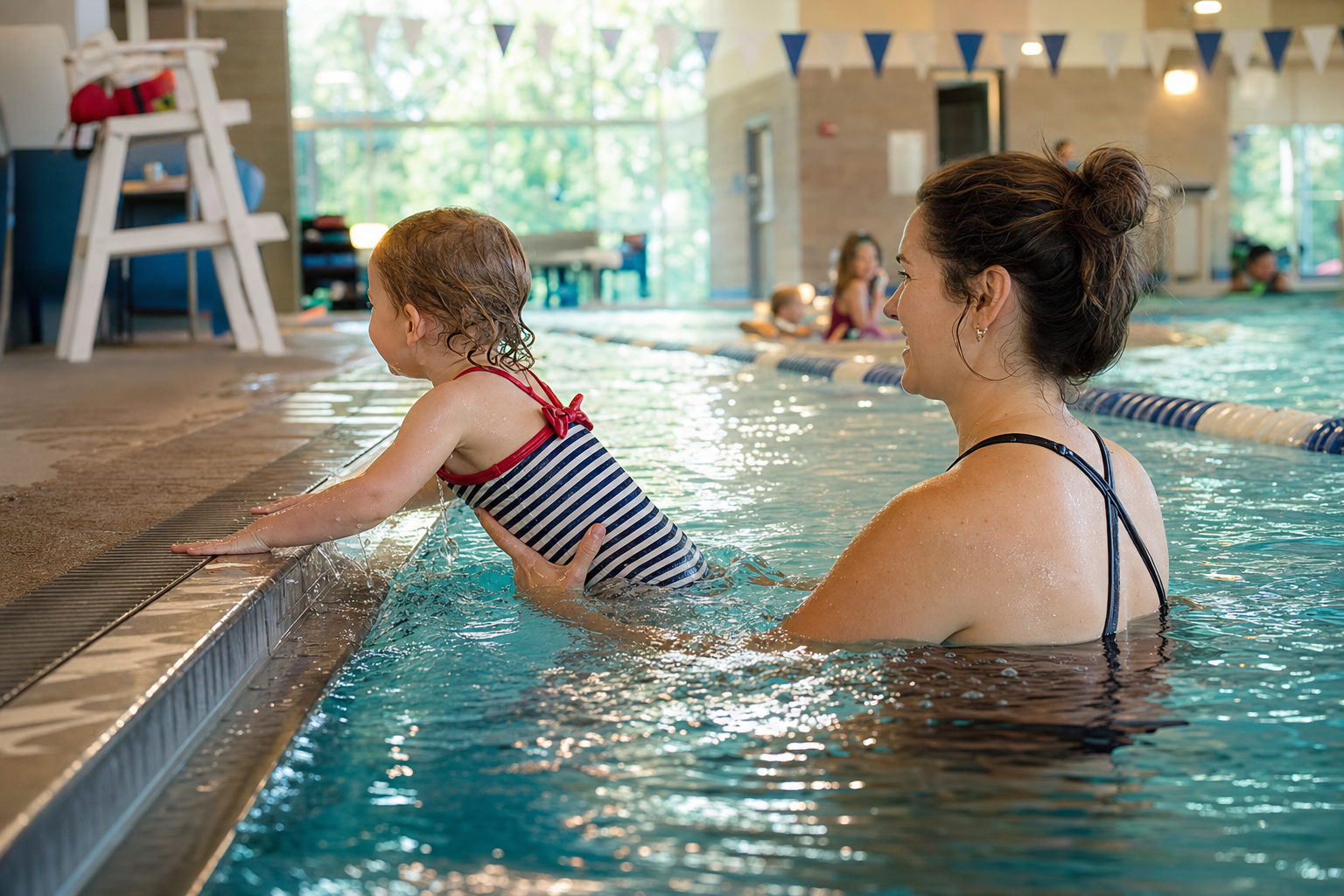
This is about teaching your 18-to-36-month-old to turn back toward the pool wall after stepping or jumping in—not so they can swim safely alone yet, but so they learn orientation, problem solving, and what an adult can do to guide them. We’ll cover how to drill this skill safely, how you as the parent should support it, and what a practice session might look like. The goal is to build confidence, body awareness in water, and the habit of reaching safety—not to promise self-rescue.
What “Turn Around to Find the Wall” Means
When toddlers jump or fall into the water, they often end up facing away from what’s safe. “Turn to the wall swimming” means helping them instinctively turn toward the pool’s edge, kick or move toward it, reach and hold on. It's sometimes called “turn-to-wall” or described as part of reaching safety drills in baby swim safety skills. It’s one of the early water competency skills, taught in toddler water safety training for ages 1-4, alongside float-to-rest and breath control. (parentandpool.com)
It is not self-rescue. It isn’t a guarantee that if they fall into deep water without you, they’ll save themselves. It’s a supervised skill. Even programs that teach survival swim or self-rescue emphasize constant adult supervision. (safekidswatersafety.com)
Why This Drill Matters
Children at 18-36 months are developing motor skills, balance, and spatial awareness. When they take a misstep into water—jumping or falling—they can panic, inhale water, or face away from safety. Training to turn toward the wall teaches orientation: head position, turning body, recognizing the edge. That helps reduce time spent disoriented in the water. Pediatric experts and water safety programs emphasize that reach-the-wall skills are foundational for swimmers under four. (cresthillacademy.com)
Also, practicing this skill builds parent-child trust, helps toddlers learn cues, and establishes water rules early. It supports their confidence in supervised swim lessons, where more complex abilities aren’t expected until later. (swimy.org)
How to Teach the Turn-Back Drill (Age 18-36 Months)
Step 1: Set Up Safely
Choose shallow, calm water where you can stand and support your child in waist-deep or chest-deep water. Water should feel warm, comfortable (check programs for their water temperature guidelines). Never practice in deep water where they can’t touch the bottom. Always stay within arm’s reach. Never surprise your child with a fall or drop in—they need to expect when it’s play or practice time. Use qualified instruction or parent-and-tot classes. (cresthillacademy.com)
Step 2: Explain and Cue
Use a cue like “turn to wall” or “find wall” so your child knows what comes next. Before stepping or jumping in, remind them: “Step or jump, then turn to wall and grab it.” As they become more confident, make the cue simple and consistent. Keep your tone calm and encouraging. If they’re unsure, show them by model: you jump in, you turn together, you reach wall.
Step 3: Support Hand Placement
When your child enters the water (step or jump from the edge), you stand slightly to the side or behind, holding one hand under the belly or at shoulders—not letting go, but guiding them enough that they feel safe. As they turn, your hand can help coax that rotation of the hips and torso. Once their hands reach the wall, they should grasp with both hands firmly. Let go when their grip is secure, so they build independence, always staying close enough to help. The American Red Cross and Parent & Pool describe this parent-guided wall-holding approach. (studylib.net)
If you want a structured way to build water confidence at home, the 10-Week Plan guides you step by step.
Step 4: Distance and Repetition
Start by practising from a step or just a foot away from the wall. Step in or jump in under your guidance, turn, reach. As comfort grows, increase the distance gradually, perhaps two or three feet away. Repeat often in short sessions—5-10 minutes at a time so your toddler doesn’t tire or get frustrated. Consistent practice helps turn the response toward the wall into a habit. (thesay.org)
[[ctababy]]
Step 5: Celebrate and Never Push Independence Too Soon
Every successful reach to the wall deserves praise. Celebrate the turn, the grip. Never push them to try this in deeper water or without assistance before they can hold on securely in shallow. If they resist, pause and try again another time. Never frame this as drowning prevention alone—it’s one layer among supervision, pool design, fencing, education. (healthychildren.org)
Integrating Turn-Back into Broader Swim Skills
After your child is comfortable turning and reaching the wall, this skill can become part of a larger survival swim curriculum like Infant Swimming Resource or safety-first programs. For example, at many swim schools the “reach the wall swim lesson” sequence comes in step by step, after float to rest, and before independent kicking distances. Some structured programs also offer a “10-Week Plan” that sequences foundational water safety skills in a developmentally appropriate way, including turn-to-wall drills. (swimy.org)
These broader programs and resources ensure that turn-back doesn’t happen in isolation—skills build on each other, with instructors trained to recognize readiness, safety, and how to involve parents properly. (safekidswatersafety.com)
Common Mistakes and How to Avoid Them
Pushing independence too soon: Don’t force the child to reach the wall if they’re not physically or emotionally ready. When parents try to withdraw support too fast, toddlers may freeze or panic. It sets them back. Avoid practicing in deep water where your child can’t touch bottom—they need that touch-point for confidence.
Skipping calm exits: Always end practice with something positive, like walking out of shallow water or lifting them up happy. If sessions end in tears or panic, take a step back.
Misplacing parent-hand support: Some parents pull the child toward the wall (which creates momentum issues) or assist both arms so child never learns grip. Using one guiding hand and letting them turn and reach builds muscle memory.
Treating the skill as waterproofing: Practising this drill gives tools, not guarantees. According to HealthyChildren.org, even well-trained children still require constant supervision when in or near water. Swim lessons are one important safety layer—not a promise of self-rescue. (healthychildren.org)
Putting It All Into One Practice Session
Warm up in shallow area with splashing, blowing bubbles, familiarising with water on face. Then move to the edge, cued jump or step in with your support. Immediately cue “turn to wall,” guide hand for orientation, let them reach with both hands. Hold briefly, let them rest or float with parent’s support. Increase distance slightly when ready. Finish with walking out of water together or sitting on the edge and affirm: “You found safety every time.”
Starting at 18 months, many toddlers can begin this with parent help. By 24–36 months, with confidence and repetition, some may do this with minimal prompt. Always adapt gently for younger or less confident toddlers—and never without a qualified instructor if trying more advanced or survival swim programs.
Final Thoughts
Teaching a toddler to turn around and reach the wall after stepping or jumping into water is one of the most practical baby swim safety skills you can work on at home or in lessons. It builds orientation, problem solving, and a habit of moving toward safety. As a parent, your hand placement, timing, cueing, and patience are absolutely key. Use calm exits, repeat often, avoid pushing too fast, and always stay right beside your child. Remember: reach the wall swim lesson drills are tools, not guarantees. Combined with strong supervision, safe pool design, and expert instruction, they help make water safer—for everyone.
120+ swimming exercises sorted by age — with video and instructions. Developed by swim instructors, completely free.

120+ swimming exercises sorted by age — with video and instructions. Developed by swim instructors, completely free.