What to Ask Before Letting Your Cleft Palate Baby Go Swimming: Safety Q&A and Tips
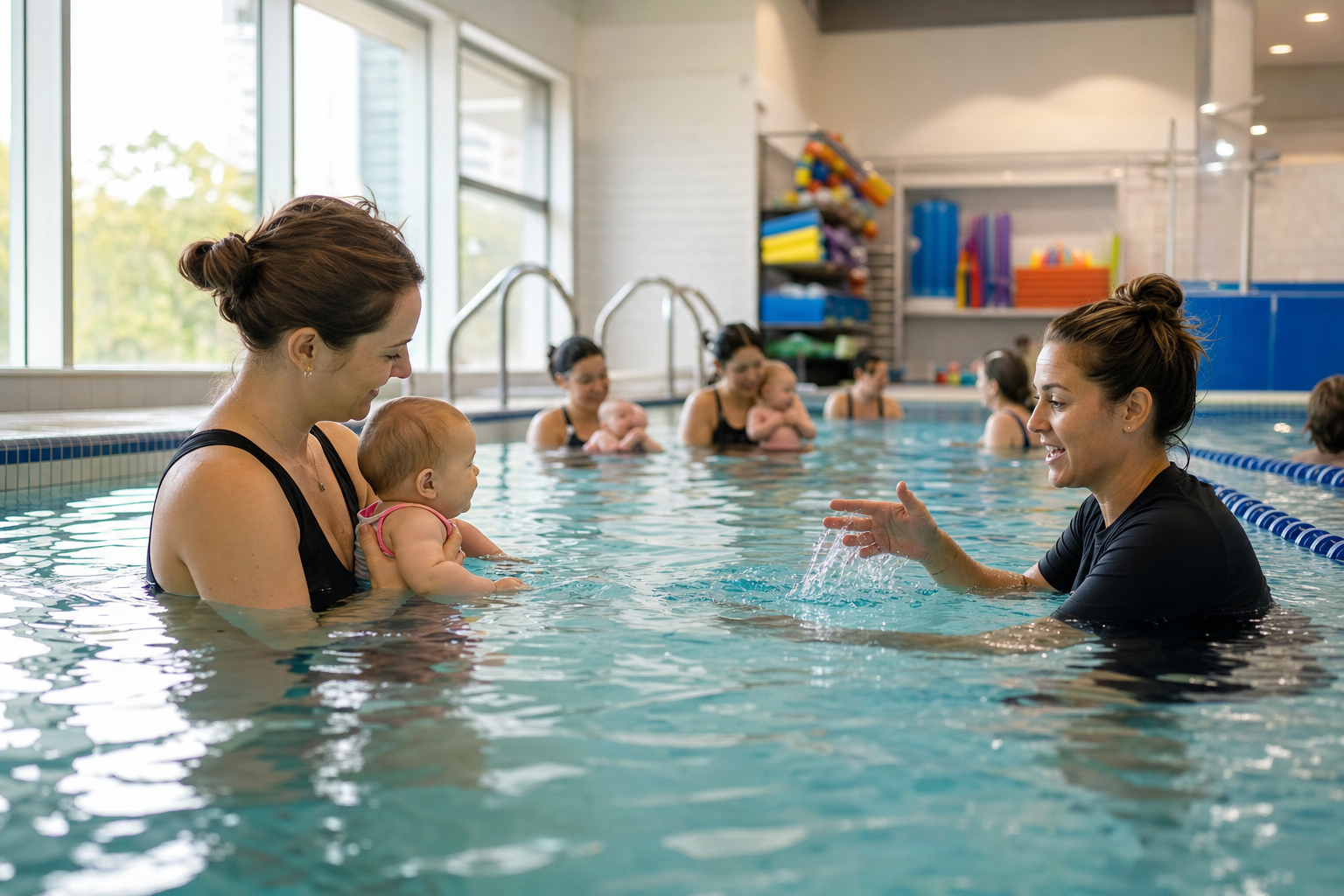
Babies with cleft lip or palate (especially before or right after palate surgery) need special attention when it comes to water around the face, ears, and feeding routines. Talking to your pediatrician or cleft team—and communicating clearly with swim instructors—can make swim time safe and fun. Here’s a guide to the most pressing questions you should ask first, followed by safety tips you can actually act on.
Key Questions for Your Medical Team
When Is It Safe to Swim After Palate Repair?
Tell them exactly when the surgery was and ask, “Am I allowed to bring my baby into any pool water yet?” In many hospitals, babies are advised not to swim in public pools for 4–6 weeks after palate repair to prevent infection and allow stitches to heal properly. (cuh.nhs.uk) If grommets (ear tubes) are inserted, those also usually require six weeks of avoiding swim class or at least water exposure near ears. (cuh.nhs.uk)
How Should We Handle Ear Infection or Eustachian Tube Issues?
If your baby has had middle ear fluid, frequent ear infections, or tubes, “How should water around the ears be handled?” is an important question. Babies with cleft palate often have eustachian tube dysfunction, which can cause fluid buildup and hearing issues. (publications.aap.org) Kids with tubes generally need to keep ears dry until healed, and any swimming should be discussed carefully. (healthychildren.org)
What Are the Feeding Risks and Advice?
Water near the face and splashes pose risk of aspiration or feeding issues depending on how tight or open the cleft is. Parents should ask whether to stick with upright feeding positions and special bottles, especially before surgery. After palate repair, a soft diet without straws is usually required for about three weeks. (doh.wa.gov)
Are There Restrictions Like “No Dunking” or “No Submersion”?
Some babies shouldn’t have any water around their face near the surgical site or through the mouth. Others may tolerate gentle surface swimming but not underwater routines. Be clear: ask whether “no full face submersion” or “no dunking” should be documented and shared with swim instructors. DHMC post-op instructions specifically say “Do not swim under water for 2 months from date of surgery.” (dartmouth-hitchcock.org)
If you want a structured way to build water confidence at home, the 10-Week Plan guides you step by step.
Practical Tips for Swim Lessons and Instructors
[[ctababy]]
Use Clear Boundaries and Document Them
You might sign up for swim lessons, but instructors often follow standard submersion routines that assume healthy infants. Tell them verbally and in writing that your baby must avoid underwater submersion or face dunking until approved by surgeon. Show them a written note if needed.
Choose Baths and Pools Wisely
Stick to clean, chlorinated pools (not lakes, rivers, or stagnant water) because bacteria are riskier when the palate is healing or when ears are vulnerable. The American Academy of Pediatrics recommends keeping public pool water away from any open surgical site. (healthychildren.org)
Plan Lessons Around Medical Needs
Select classes that allow for a parent to be in the water and offer modified routines. Ask whether the instructor is comfortable waiting until your baby has passed medical “go ahead” for underwater elements. If you’re following a structured program like the 10-Week Plan at swimy.org, make sure your medical team reviews it so nothing surprises you or compromises healing. (Later in the article we talk more about the plan.)
Experience Insights: What Parents Say
“I made sure the doctor gave me a note saying ‘no full submersion until 6 weeks’—when the swim school tried to dunk during the first lesson, I printed the note and the instructor changed the routine that day.” That mom also bought ear bands and used Vaseline in cotton to block water near ear tubes. Others recommend a gentle routine of just sitting on steps, splashing feet, getting used to water temperature—no pressure.
Some families waited until palate repair was fully healed before starting swim lessons. After surgery, they stayed away from dive or submersion routines, avoided straws and bottles, and stuck to soft feeds until cleared to return to normal feeding by the cleft team.
Checklist to Bring to Your Pediatrician or Cleft Team Appointment
To feel confident walking into swim lessons, carry these key points into your next medical visit or surgical follow-up:
- Exact date of palate surgery.
- Any history of ear infection, fluid behind eardrum, or tubes.
- Whether any surgical wounds are still healing inside the roof of the mouth.
- Specific instructions on water exposure: how long to avoid submersion, how to handle ears, advice for face exposure.
- Feeding restrictions: soft diet, no straws or bottles, upright feeding.
Ask them to write or confirm in your care plan that “no underwater submersion” or “no dunking face” is allowed until X date.
Swimming can be joyful for parents and babies with cleft lip or palate—but only if it’s based on exact medical guidance. Ask the right questions about palate repair timing, ear history, feeding methods, and instructor expectations. When you have clear safety boundaries—and the cleft team’s blessing—you can make “cleft palate baby swimming” or “baby swimming after palate surgery” something you plan and enjoy together, not worry through.
120+ swimming exercises sorted by age — with video and instructions. Developed by swim instructors, completely free.

120+ swimming exercises sorted by age — with video and instructions. Developed by swim instructors, completely free.