When Relatives Push 'Just Dunk Them': A Boundary Guide for Parents
Have you ever heard someone say, “Just dunk the baby underwater—they’ll learn bravery!”? You’re not alone—many parents face pressure from relatives or friends who insist on tossing or submerging their infant, toddler (0-36 months), or teenage swimmer, to make them stronger in water. But is that safe—or even kind? What happens when you push back without burning bridges at summer pool parties, lakeside picnics, or holiday gatherings?
Let’s tackle the most important question first.
Why “should I dunk my baby underwater” isn’t just a parenting debate—it’s a safety issue
According to the American Academy of Pediatrics (AAP), infants younger than one year do not have the neurodevelopmental ability to swim or stay afloat on their own reliably. Submerging them repeatedly to train them—even reflexively—has not been shown to reduce drowning risk and may even cause negative experiences that affect future swim comfort.(publications.aap.org) Studies also show lessons for toddlers (after one year old) are more effective when focused on safety habits and supervised exposure—not on “dunking” or reckless tosses.(publications.aap.org) Drowning remains one of the leading causes of accidental death in children ages 1-4, which makes every moment near water—pool, lake or bath—critical.(publications.aap.org)
So when someone tells you “family wants to dunk baby in pool” arguments: it often stems from tradition, misunderstanding, or old advice—not modern research.
Understanding “safe baby submersion” the right way
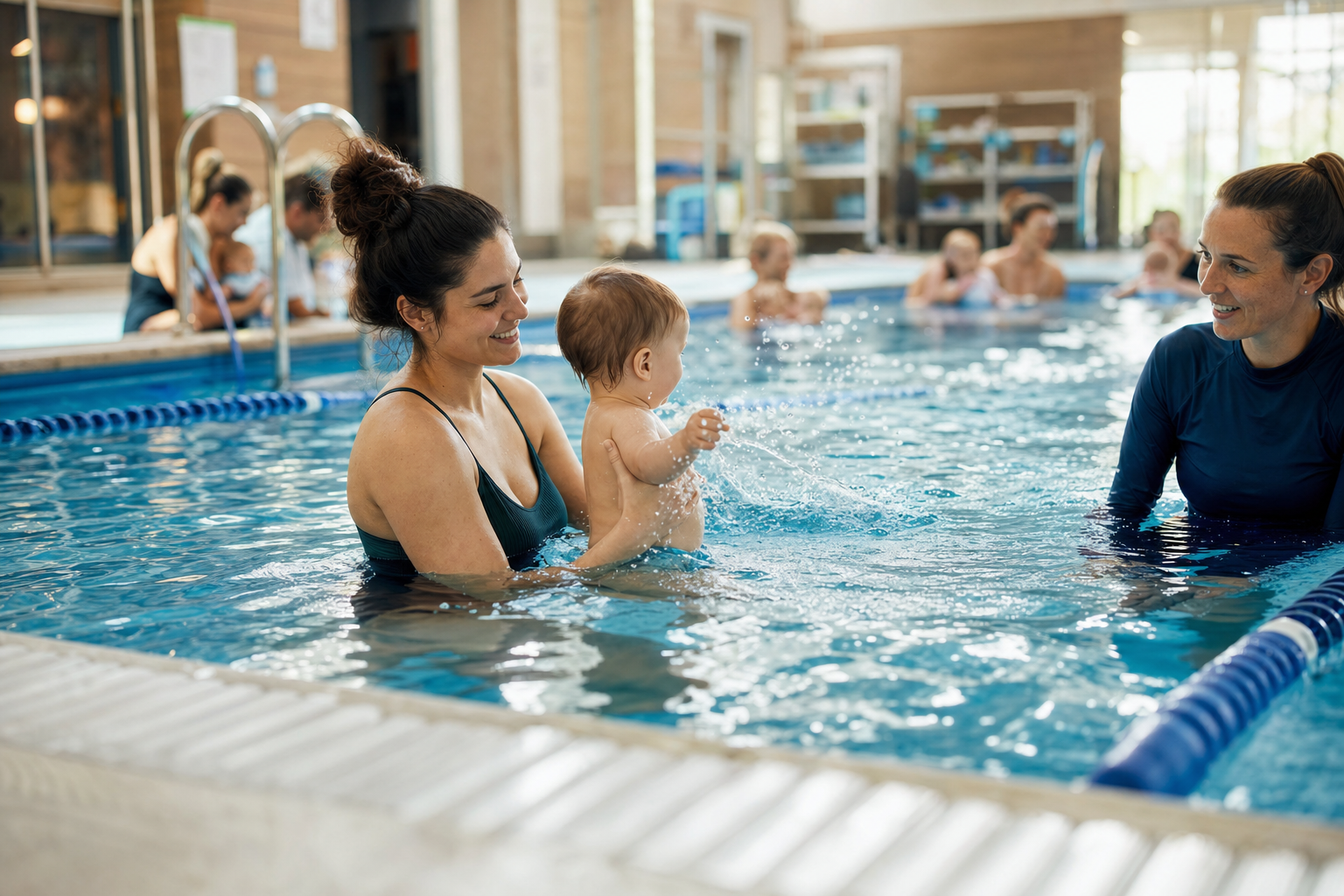
Safe submersion isn’t about dunking as a trick. It’s about introducing water in a gentle, consensual, and instructional way. The AAP now supports swim lessons after a child's first birthday because that’s when mobility and awareness improve significantly.(publications.aap.org) Infant water play classes where a parent holds the child, warm water, and very shallow immersion are far less risky and can help build trust.(healthychildren.org) If you want a full framework for confidence-building routines, the 10-Week Plan from swimy.org outlines gradual exposure, parent-infant water games, and therapist-approved steps to help babies feel safe and joyful in water.
If you want a structured way to build water confidence at home, the 10-Week Plan guides you step by step.
Scripts parents can use when relatives insist on unsafe practices
Whenever someone says “just dunk them,” or proposes something risky, you can try calm but firm responses:
“You know, the AAP guidance says infants under 1 aren’t developmentally ready for submersion tricks—let’s go with water play instead.”
“I understand you want them to grow brave, but I’m not comfortable with tossing or forcing underwater. Their trust in water matters as much as confidence.”
“Documenting kids doing pool tricks makes me uneasy. I'd prefer we focus on safe routines—arms, laps, warm water, not surprise dunking.”
[[ctababy]]
You don’t need to argue—you just stick to your boundary.
Tips for setting boundaries well at gatherings
Around holidays, backyard pools, or lake days, pressure can spike. Before those events, it helps to:
- Talk privately with well-meaning relatives: explain your safety concerns and what you allow or decline.
- Offer alternatives: maybe let grandma help with water games or hold the baby in the shallows instead.
- Use protective phrases like “I’ve decided” instead of “you must” to keep the tone gentle but non-negotiable.
If the request comes unannounced—perhaps someone tries to dunk or throw the baby—say firmly, “No thanks, I’m doing things differently,” and remove the child from unsafe situations.
Protecting your child’s trust in water
Trust isn’t built by forcing water on them. It forms through warm, predictable experiences. Let them explore with you. Let them splash, let water lap, let them dip their toes, then arms. Let them decide when they’re ready for something new. If you push them into rough or sudden submersion, you risk fear, crying, or even lifelong aversions.
Swim teachers and pediatric experts emphasize this. Lessons for ages 1-4 should include “touch supervision”—an adult should always be within arm’s reach.(publications.aap.org) Even in classes, dunking or lots of water forced over the face is discouraged.(healthychildren.org)
Typical pitfalls: what people often assume wrong
One big trap is social pressure. Because “everyone’s grandma did it” or “old school methods built character,” you may feel guilty saying no. Or worse, filming stunts becomes normalized on social media. These actions flirt with danger, especially for babies under one year. Another assumption: that because someone “survived” being dunked or thrown, it’s safe. But that’s anecdote, not evidence. The AAP is clear: survival skills, if taught too early and too roughly, can create false safety feelings in both parents and caregivers.(publications.aap.org)
Safety caveat: when submersion training might be okay
If your child is over one year old and you enroll in a professional aquatic program that includes submersion or water-survival skills, make sure the instructor is certified, the water is warm, and participation is fully consensual. But even with lessons, the AAP emphasizes that no child becomes “drown-proof.” Constant touch supervision, layered safety like fences and life jackets, still matter.(publications.aap.org)
Final thoughts: your rights, your rules
As parent, you get to decide what safety means in your family. You can say “no” without shame. You can set rules even with strongest tradition or polite pressure. Saying “I’m protecting my baby’s trust in water, not scaring them” is a truth that stands. Especially during summer pool parties, holiday lake trips, and backyard fun, stick to consent, slow exposure, and your parent gut—it’s powerful.
You decide when your baby is ready, how they build water confidence, and that “just dunk them” isn’t your rule. Because safe baby submersion starts with consent, safety, and keeping your child’s trust first.
120+ swimming exercises sorted by age — with video and instructions. Developed by swim instructors, completely free.

120+ swimming exercises sorted by age — with video and instructions. Developed by swim instructors, completely free.