Bronchiolitis Recovery and Swim Class: When Can Your Baby Safely Return to the Pool?
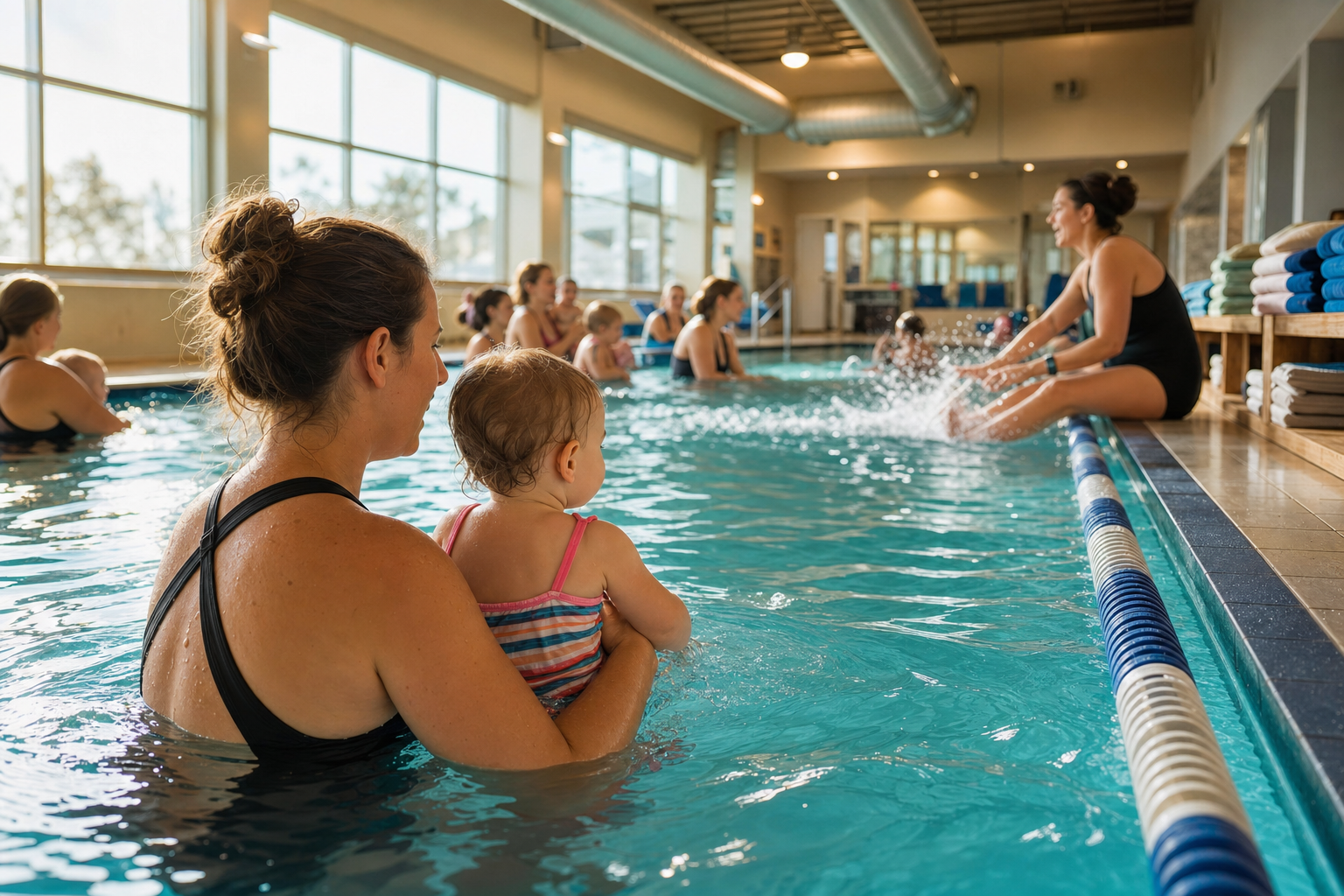
Knowing when your baby can safely go back to swimming after bronchiolitis, an RSV-like illness, wheezing, or even a heavy chest cold is one of the most pressing concerns for parents. Dive in to learn what recovery signs to watch for, why indoor pools can irritate healing lungs, and how to ease your child back into swim class without rushing.
What Makes a Safe Return
First things first—don’t start swim sessions until your child shows clear recovery signs. These include breathing comfortably without wheezing, no fever for at least 24 hours, good feeding (or nursing), and sufficient sleep. If any coughing or congestion remains, it’s best to wait. Babies under 36 months have smaller airways that take longer to heal, so avoiding overexertion is key. Risk increases if your baby was born prematurely or has chronic lung or heart conditions—check with your healthcare provider.
The American Academy of Pediatrics (AAP) recommends urgent medical attention if the child exhibits breathing difficulty, rapid or shallow breathing, chest retractions, or poor feeding—these are not safe to ignore. These guidelines come directly from bronchiolitis care standards.(publications.aap.org)
Why Indoor Pools Can Be Challenging
Even when your child is on the mend, indoor pools present respiratory risks. Chloramine buildup (from chlorine mixing with sweat, skin cells, etc.) can irritate eyes, nose, and lungs; it may trigger coughing or wheezing episodes. Studies link swimming in chlorinated pools during infancy with higher risks of bronchiolitis, asthma, and allergic responses later in childhood.(health.clevelandclinic.org)
Both indoor and outdoor pools’ve been involved in research showing that extended exposure (especially before age two) can exacerbate respiratory vulnerabilities. For example, time spent in chlorinated facilities was linked to higher rates of bronchiolitis and subsequent wheezing illnesses in large studies.(publications.ersnet.org)
A Gradual, Cautious Plan for Return
If you want a structured way to build water confidence at home, the 10-Week Plan guides you step by step.
Here’s how to ease your child back into swim class without risking setbacks.
Start by discussing with your pediatrician, especially for high-risk babies. Once you have the green light, begin with very short sessions—just 10–15 minutes in warm water, no splashing or submersion. Stick to gentle exercises rather than intense swim drills. See how your child reacts within 24 hours.
You may want to follow something structured like a 10-Week Plan to rebuild strength, lung capacity, and confidence—stretching from very gentle, dry-land breathing exercises to longer pool time as your baby tolerates. This kind of progressive re-entry helps prevent relapse and ensures safety. Use the 10-Week Plan from swimy.org as a gentle blueprint, adapting it with doctor’s input. Make sure each week feels manageable, and don’t jump ahead if the airways still feel sensitive.
[[ctababy]]
After swimming, rinse off chlorine, warm up indoors, and monitor for any return of wheeze, cough, or shortness of breath. Samples of struggling to breathe or re-emergent chest tightness should prompt you to pause. Pool water chemistry matters: opt for well-ventilated indoor pools or outdoor settings when possible to reduce exposure to irritating vapors.(health.clevelandclinic.org)
When to Hold Off Longer
Despite improvement, certain warning signs mean it’s best to delay swimming.
Persistent wheeze, fever that hasn’t fully resolved, feeding difficulties, or excessive sleepiness—all indicate incomplete recovery. If your baby has underlying lung or heart disease or was very premature, even mild symptoms like cough may need parental and clinician guidance before resuming aquatic activities. From the CDC: if your baby shows breathing difficulty, reduced oral intake, dehydration, or significant change in alertness, medical care is needed.(cdc.gov)
Practical Tips for Parents
When you do return to swim class, take gentle steps to reduce triggers. Choose warmer pool water and rooms with good ventilation. Rinse immediately after swimming to wash off pool chemicals. Carry a reliever inhaler or meds if prescribed. Keep swim sessions short and leave if irritation starts. Teach your toddler to avoid splashing water into their face until they can blow bubbles or exhale underwater—that helps prevent micro-aspirations of pool water irritants.
Also practice "breathing checks": is their breath smooth, nose flaring, or chest moving with effort? Are they alert or unusually tired? These signs help you pick up early if anything is off. Don’t push. Recovery takes time.
Bottom Line
Returning to swimming after bronchiolitis, RSV, or a heavy chest cold isn’t about a fixed wait time—it’s about how your baby is healing. Wait for clean breathing, no fever, good feeding, and alertness. Be cautious in indoor pools and use a gentle, progressive plan like the 10-Week Plan. Always check in with your pediatrician, especially for young babies under 36 months or those with risk factors. With patience, precautions, and attention, your child can enjoy swim class again safely.
Safety Note: Seek medical advice if your baby has breathing difficulty, ongoing wheeze, fever, poor feeding, unusual sleepiness, or a history of prematurity or lung/heart problems.
120+ swimming exercises sorted by age — with video and instructions. Developed by swim instructors, completely free.

120+ swimming exercises sorted by age — with video and instructions. Developed by swim instructors, completely free.