When Your Baby Freezes in the Water: What to Do and Gentle Games That Help
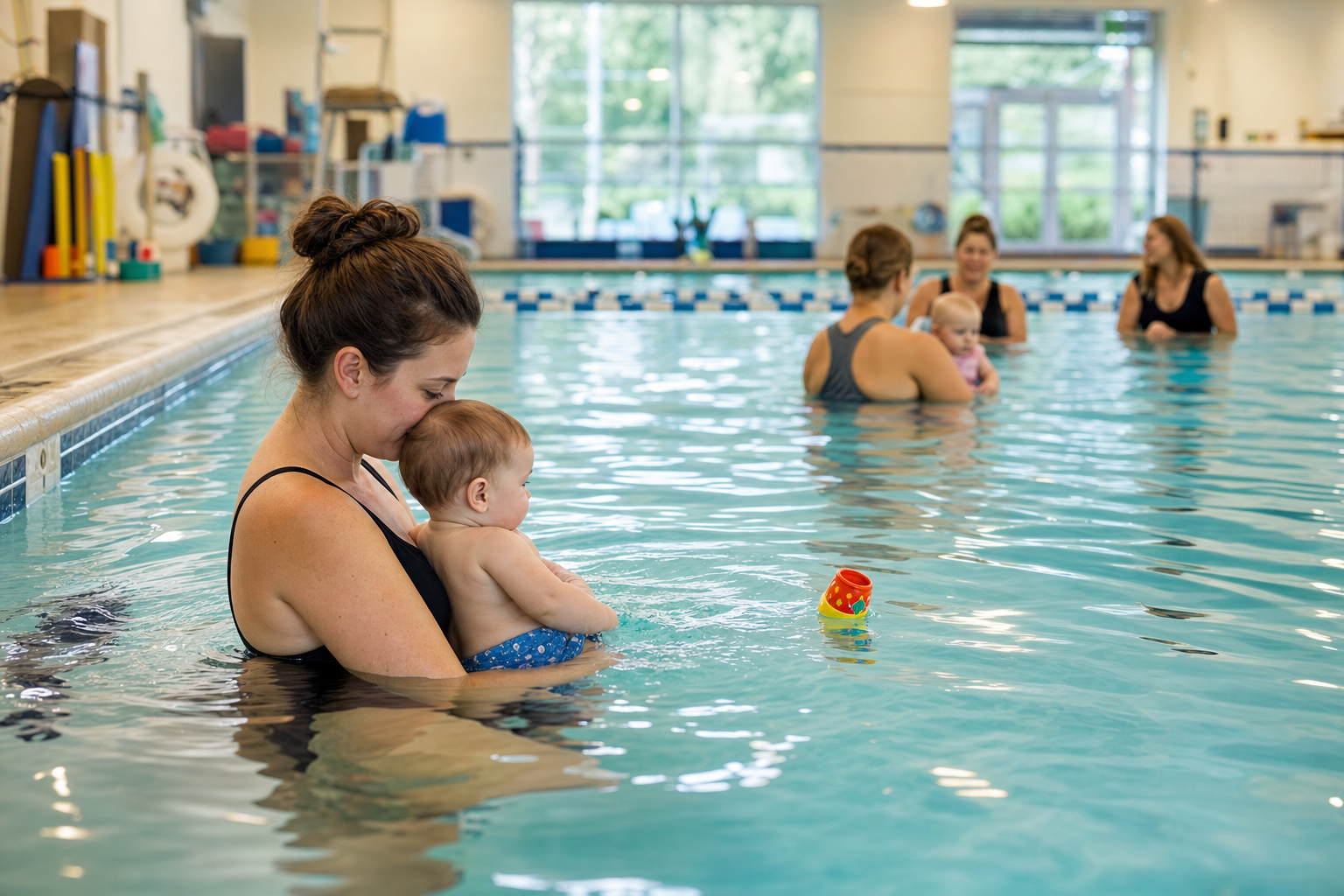
When a baby goes completely stiff, silent, or motionless in the swimming pool—rather than splashing or crying—it often signals stress more than calm. If you’ve wondered why your little one is frozen after lowering them into the water during swim class, here’s what to know and practical things you can do right now to help loosen that freeze without pushing too hard.
Why Quiet Isn’t Always Comfort: Understanding “Baby Freezes in Swim Class” and “Baby Scared but Not Crying in Pool”
Freezing behavior in infants, especially those around 4-24 months (and up to 36 months if they’re cautious toddlers), is linked to their nervous systems entering a defensive mode. The body switches off splashing and vocalizing and instead adopts stillness—lowered breathing, stiff limbs. This is part of the well-known freeze response seen in stressful situations, not unlike fight and flight. A noisy pool, cold water, or unfamiliar instructors can trigger it even if baby seems outwardly okay.
Parents often mistake quiet compliance for comfort—our bodies relax when things feel safe. But a baby who is frozen in the pool doesn’t move or look for interaction; they often avert eye contact and seem shut down. That’s different from being joyful yet quiet.
Recognizing freezing early means you can adjust pace, reduce overwhelm, and help the nervous system relax rather than escalate stress. Small shifts make a big difference.
Gentle Strategies: Rocking, Side-to-Side Movement, Toy Tracking, and Short Exits
To guide a baby safely out of freeze mode, use nervous-system-friendly repetition. Movement, sensory play, and control over environment are your allies.
Rocking is one of the oldest, simplest soothing techniques. Horizontal rocking—side-to-side or head-to-toe—has been shown to calm babies more effectively than vertical bouncing during distress like after vaccination and in daily soothing routines. Slow, rhythmical rocking mimics early life sensations and helps regulate overstimulated systems.
(link.springer.com)
Toy tracking—holding a bright floating object and moving it slowly across their visual field—invites engagement without forcing motion. Let baby follow the toy with eyes, sometimes arms. You’re giving them control.
When you sense overwhelm, plan for short exits. A 5-minute break with warmth, cuddling outside the pool, or simply stepping to the edge offers emotional reset. Repeat this consistently—small sessions are better than long ones that lead to shut-down.
Sessions infused with these tactics, ideally following a simple guided structure, support gradual progress. The 10-Week Plan at swimy.org lays out repeating gentle exposure across 10 lessons: breathing, toy tracking, rocking, supported floating, and planned exits to reduce freeze. You can adapt the core ideas from their 10-Week Plan to your own swim schedule. This kind of planned repetition builds neural safety, not reaction.
If you want a structured way to build water confidence at home, the 10-Week Plan guides you step by step.
Gentle Games to Use When Your Baby Goes Stiff in the Pool
Here are playful ideas to apply immediately when your baby freezes in the pool. You’re not trying to force submersion or big strokes—just gently nudge back into interaction, movement, and comfort.
Sing and Sway
[[ctababy]]
Hold your baby in a chest-to-chest grip or supporting under the arms. Start singing a familiar lullaby or nursery rhyme you’ve used at home, while gently rocking side-to-side or back-and-forth radius. Use your voice as anchor: slow, calm, consistent. The familiar melody grounds them; the movement helps regulate the nervous system.
Toy Tracking Rescue
Choose a favourite floating toy—bright, reflective, or one that squeaks. Hold it just over water level and slowly move it side to side. Encourage baby to track it with eyes, then hands. If they reach, cheer softly. This builds eye contact, visual focus, and sense of agency.
Facial Rain & Pour Game
Very gently pour warm water (use a soft cup) over baby’s shoulder, upper chest, hairline. Sometimes combine with softly blowing bubbles onto the water surface. Signal with words like “rain” or “splash”; keep voice soft. Avoid sudden application. Warm water plus face exposure in a controlled way helps reduce facial fear and builds acceptance gradually.
(swimy.org)
Rock Together Along the Pool Edge
Stand at the shallow edge where water supports baby’s torso. Hug them close and do gentle side-to-side rocking or slow swaying. Let their head rest against you. Use your body’s motion instead of moving them through water forces. Sometimes just your combined weight and motion are enough to loosen tension.
Safety First: Session Settings and When to Pause
Always make safety non-negotiable. Warm water (around 87-94°F or 30-34°C) is essential to avoid cold shock, which can contribute to freeze. Keep sessions short—10-20 minutes often works best for avoiding overwhelm in babies under 2 years.
(waterwisekids.com)
Keep full support: always arm’s reach, full body contact if needed. Never leave baby alone even if quiet. Exit early if baby’s lips turn pale, limbs rigid, or breathing shallow—these are signs of stress escalation.
What to Do at Home Between Swim Classes
Preparing outside the pool helps reduce freeze behavior during lessons. At bath-time, pour water gently over shoulders, splash water over arms, practice song-and-sway routines. These small motions signal safety in water and build trust.
Replicate toy tracking games in a shallow basin or bathtub: see how they follow floating toys with eyes, reach, splash. Even brief, regular exposure helps. Use predictable cues—same toy, same words like “rain” or “splash” every time.
Also check external factors: baby might be tired, hungry, cold or overstimulated—these increase vulnerability to freeze. Make sure arrival, mood, clothing, and rest align with readiness.
The Big Difference You’ll See
When you use these gentle games regularly, babies who once froze might begin to open up: quiet smiles, reaching arms, eye contact, small splashes. And even if they remain quiet, you’ll notice less rigidity, more body warmth, and fewer forced retreats. Parents feel more confident too—knowing not all silence is passive consent, but sometimes freeze.
Quiet = strength, not brokenness. Baby freezing is a stress alarm, not a failure of them or you. You’re learning to hear and ease it. With warmth, movement, game, and control, the pool can become a place of joy again.
120+ swimming exercises sorted by age — with video and instructions. Developed by swim instructors, completely free.

120+ swimming exercises sorted by age — with video and instructions. Developed by swim instructors, completely free.