Swim Lessons for Ages 7–10: What ‘Good’ Really Looks Like
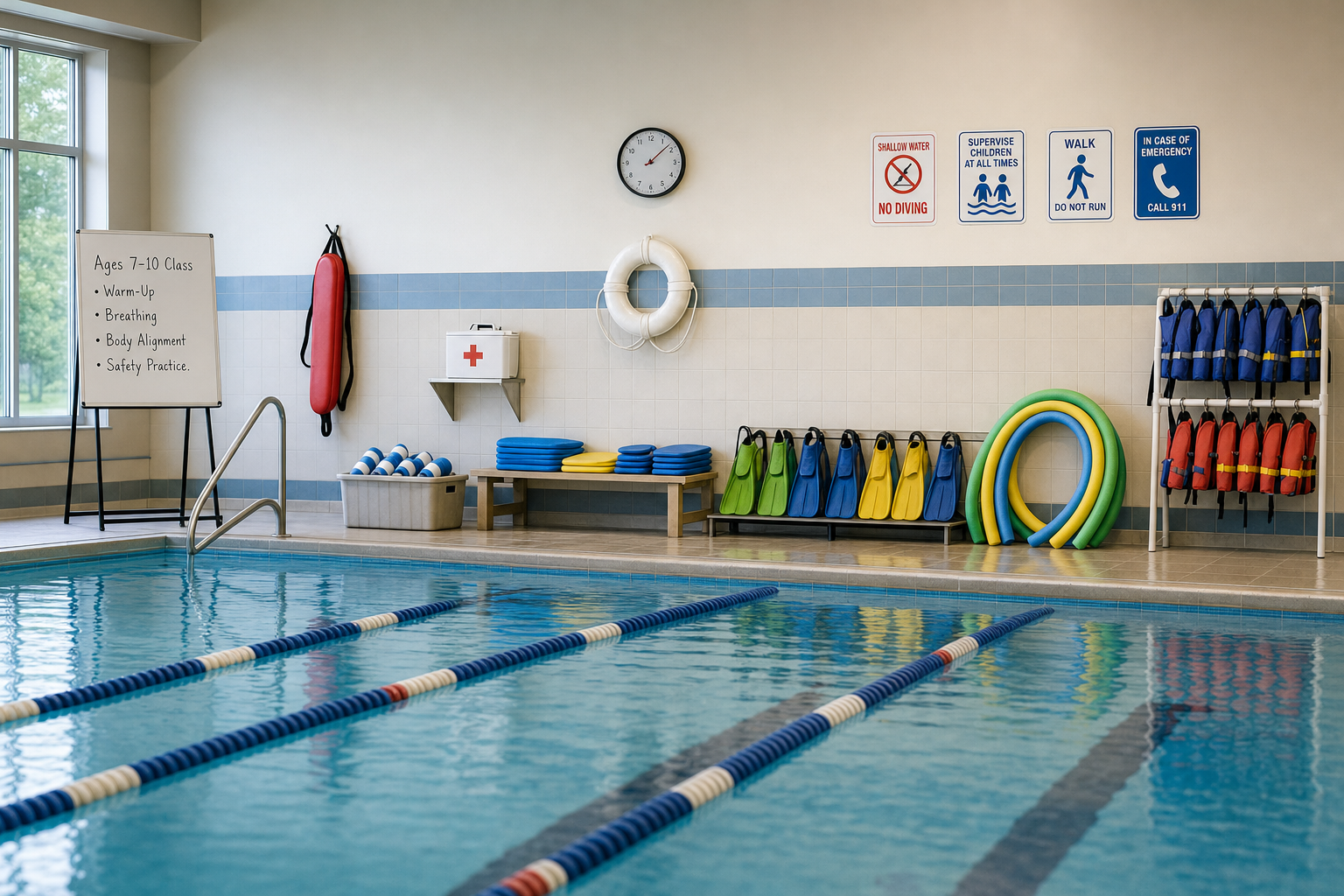
If your child is between 7–10 years old and taking swim lessons, the difference between “okay” and “great” becomes sharper. At this age, lessons should deliver clear demonstrations, focused corrections, short skill blocks, and calm safety habits. When you're at evaluation days or midway through a term, you want to know: Is your child getting the best? Here’s what parents should look for, what questions to ask, and when to consider changing levels or even providers. It's far more than speed or how far they can swim.
What Parents Should See in the Water
In class, quality lessons for ages 7–10 stand out for specific features. First, a coach must give clear demonstrations—slow, visible, with verbal explanations and ideally dry-land or on-deck previews. Skills like breathing, body alignment, or arm strokes get broken down into small parts and demonstrated several times. (thprd.org)
Second, targeted corrections are essential. Not every critique all at once—one or two areas at a time. Feedback is immediate and tied to exactly what the child just did, with encouragement. Teachers should watch each swimmer often enough to catch what matters most. (swimmingtechnology.com)
Third, short skill blocks keep 7–10-year-olds engaged. Instead of long continuous swim sets, effective lessons chunk the time—warm up, a known skill review, one new skill, work on it with multiples drills, then a calm wrap-up. This keeps fatigue down, focus up. (swimminginstructorcourse.sg)
Fourth, calm safety habits should be threaded through every lesson. That includes routines for pool entry and exit, supervising behavior, breath control, what to do in unexpected situations (falling in, swimming in clothes, self-rescue). Children should also learn rules and safety protocols, not just strokes. (publications.aap.org)
What Parents Can Learn to Expect, and What to Ask
You can become a discerning observer. When you attend an evaluation day or mid-term check-in, focus your eyes and questions on core markers.
Observation Checklist
Watch how many students per instructor. For beginners, especially ages 7–10, smaller ratios (say 1:4 or 1:5) mean your child gets enough attention. How often does the instructor stop the class to correct form? How much time does your child spend waiting (standing at the wall) versus moving? Are demonstrations visible to everyone? Does the instructor correct with kindness or does it feel shaming? Do lessons always start and end with safety review or habit reminders? The swim class quality checklist should always include those things.
If you want a structured way to help your child progress at home, the 10-Week Plan guides you step by step.
Key Questions to Ask
When chatting with instructors or program directors, ask: What certifications and safety training do you have (CPR, lifeguard, first aid)? How do you decide when a swimmer moves up a level? What is your process for introducing new skills, and what corrections will my child receive? Can I see the curriculum or schedule of skills they will cover this term? What safety habits do you teach beyond strokes? These help you figure out if “what to expect swim class” means more than flashy feats.
[[ctakid]]
When to Switch Levels or Providers
Children in this age range vary widely. Moving up levels (or moving programs) isn’t about how fast they swim or how far they go. It’s about consistent performance, technical control, comfort, and readiness.
If your child is regularly showing that goals are met with proper technique—arms in correct position, breathing rhythm under control, and safety habits solid—then level up. If however speed comes at the cost of sloppy form, or if fear/anxiety creeps in with new skills, slow the pace. Also, if you notice that instructors in your provider treat every child the same instead of adjusting to their learning style, or if class size is too big for proper attention, that might mean it’s time to change providers.
Toward an Actionable Plan
Between winter, spring and summer lessons, you want a plan that keeps skills progressing.
Begin each season by reviewing what skills are planned: what strokes, what safety routines, what techniques. One useful resource is the 10-Week Plan at Swimy.org, which lays out skill progression week by week. While every child moves at their own pace, having something like that lets you check: did class 5 cover floating or breathing? Did class 7 introduce turns? If not, you can ask why. Use term-mid evaluations to check progress: can your child swim the strokes with decent form? Do they show consistency? Do the safety habits feel like routine?
Pitfalls to Watch For (So You Don’t Get Fooled)
There are danger signs in what looks like “good” swim lesson content. One is judging classes only by distance swum or how “fast” your child can swim. Distance/speed may look impressive but often hide poor technique, breath struggles, or unsafe habits.
Another issue is sideline over-coaching, where parents try to replicate corrections from coaches or instructors in between lessons without knowing what they’re supposed to look like. Unsupervised or misapplied corrections can confuse children or undermine the clean feedback from qualified instructors.
Also, observe if lessons have long periods of waiting or informal play rather than purpose-driven skill work. Even kids who love water need structure and clear objectives to improve. Programs that emphasise certificates, ribbons or pushing kids too fast may be sacrificing depth for appearance.
Final Thoughts
Great swim lessons for ages 7-10 are defined not by flashy tricks, but by smart teaching: clear demonstrations, targeted corrections, short focused blocks of practice, and embedded safety habits. As a parent, your role is to observe, ask sharp questions, track progress, celebrate small wins—and when something feels off, speak up or consider switching. With the right tools and expectations, your child will gain not just skill, but confidence in the water—just in time for school swim teams, summer pools, or family beach days.
120+ swimming exercises sorted by age — with video and instructions. Developed by swim instructors, completely free.

120+ swimming exercises sorted by age — with video and instructions. Developed by swim instructors, completely free.