After a Pool Scare: Parent Action Plan for Babies & Toddlers
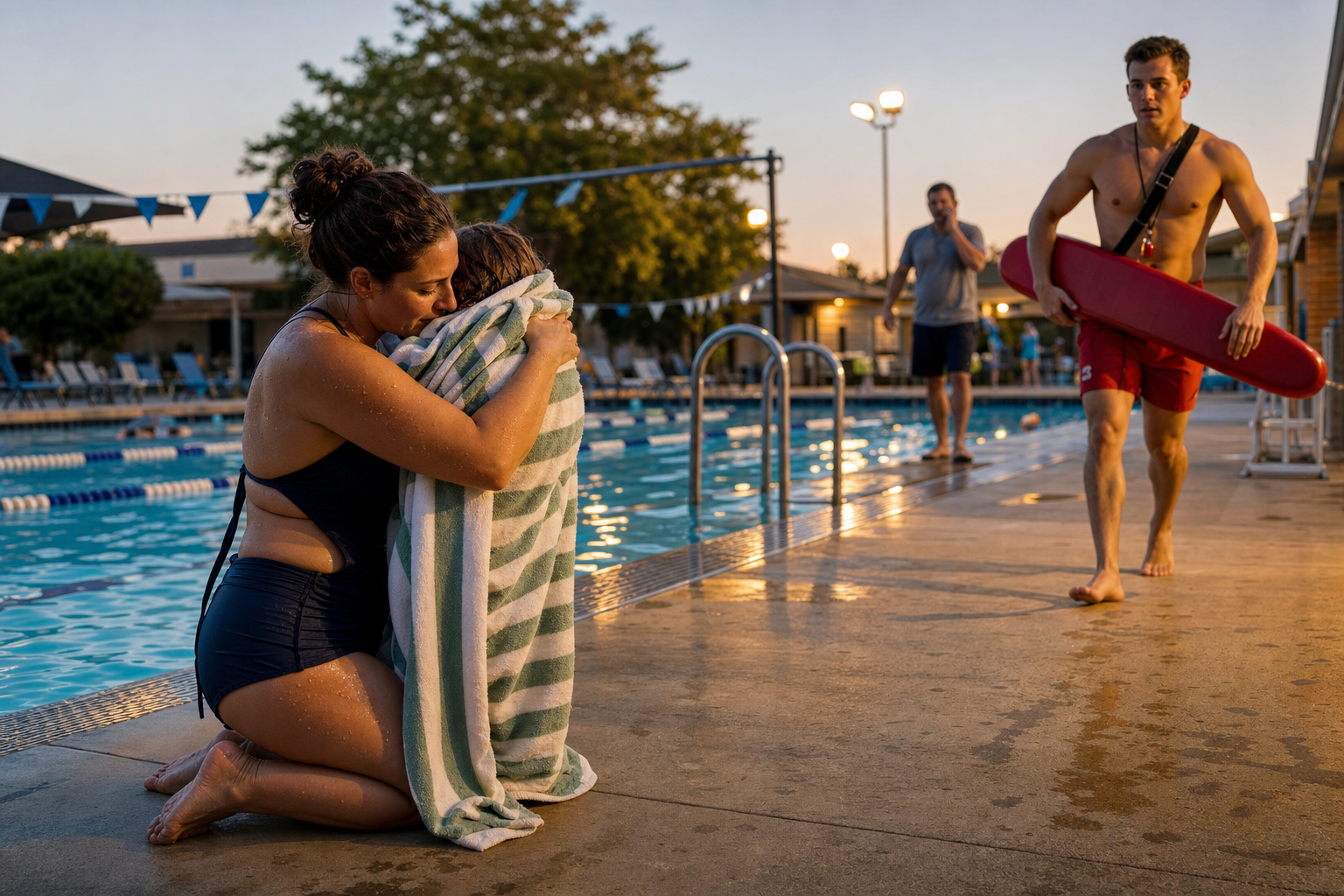
When your baby slips underwater—even briefly—or starts coughing after a pool scare, your response in the first few minutes can make all the difference. Below is a calm, clear guide for parents of babies and toddlers (0–36 months) on what to do fast, how to recognize red-flags, when to call for help, and why infant CPR training matters deeply.
What to Do Immediately: “Baby Went Underwater What to Do”
If your baby settles in the water, slips, submerges briefly, or struggles: first, stay calm. Quickly but gently pull them out of the water. Place their head down and wipe fluid from nose and mouth. If coughing is mild and breathing is returning strong, keep baby warm, comfort them, and monitor closely. If your baby becomes unresponsive, isn’t breathing, has no pulse, or shows very weak or irregular breathing, start infant CPR and call emergency services right away.
Next, assess if they inhaled water. Even a small amount in the lungs can matter. If baby sputters, breathes faster than usual, or coughs a lot—or if skin turns pale or blue—this could be signs of aspiration or early lung irritation. At this point you must call emergency services (for example, 911 in the US; 999 in the UK; 000 in Australia) and keep baby as still and warm as possible until help arrives.
Recognizing Red-Flag Symptoms after a Toddler Pool Scare
Sometimes symptoms don’t show right away. You may think your child is fine—but that may not be true. Watch for: persistent coughing; trouble or noisy breathing; vomiting; sleepiness, confusion, or lethargy; skin color turning pale or bluish (especially lips or hands); rapid breathing or breathing that seems shallow. According to medical sources, respiratory symptoms may appear within the first eight hours after a non-fatal drowning event, especially if any water was inhaled. (msdmanuals.com)
If any red-flag symptoms show up, go to an emergency department immediately, even if your child seemed fine just moments ago. Time matters. Lung inflammation, pulmonary edema or pneumonia can develop fast if ignored. (msdmanuals.com)
Step-by-Step Parent Response Guide
- Ensure safety first: remove baby from water, check we are physically safe.
- Check responsiveness: talk to the baby, gently tap. Are they alert, moving, breathing?
- If unresponsive and not breathing normally: call emergency services, then begin CPR (rescue breaths plus compressions for infants). Do not wait.
- If they are breathing and responsive: dry off, warm up, comfort, observe closely for signs mentioned above for possible delayed complications.
- Monitor for at least 8 hours: symptoms like coughing, breathing trouble, vomiting, or change in behavior could appear during this time. Parents may want to inform their pediatrician, even if things seem ok.
Evidence suggests even a brief submersion can cause lung injury or hypoxia, so even mild signs are not to be dismissed. (msdmanuals.com)
If you want a structured way to build water confidence at home, the 10-Week Plan guides you step by step.
Infant CPR Water Safety: Why It Matters Before Swim Season
Learning infant CPR water safety skills is one of the strongest layers of protection parents can have. The American Heart Association and American Academy of Pediatrics updated guidance affirm rescue breaths plus chest compressions after removal from water significantly increase survival with better neurological outcomes.
[[ctababy]]
Begin CPR training now—even before swim season ramps up. Courses like the Heartsaver Pediatric First Aid CPR AED teach infant rescue breaths, chest compressions, AED use. (international.heart.org) Courses are offered by Red Cross, hospitals, community centers, and in Australia, registered aquatic safety organizations. (reeftrainingaquatics.com.au)
Planning Ahead: Swim Lessons, Safety Barriers & Layers of Protection
Swim lessons for toddlers (after age one) building water competency are helpful—but they don’t drown-proof a child. According to AAP, swimming lessons are one of several protective strategies that include physical barriers, supervision, life jackets, and CPR.
If your child has started swim lessons, consider using the 10-Week Plan from Swimy.org as a supplement. It offers structured water safety drills to build confidence, awareness, safe rescue behavior in parents and children. The lessons emphasize touch supervision (being within arm’s length), keeping distractions minimized, and ensuring fences or gates close and latch—all key for layers of protection.
When to Call Emergency Services if in Doubt
Whenever you feel unsure, call. If baby is unresponsive, not breathing, struggling to breathe, blue or pale skin, or vomiting repeatedly—these are emergencies. Even if breathing seems fine initially, symptoms developing later like wheezing, fatigue, confusion, or cough warrant medical evaluation. Delayed lung issues can become life-threatening if untreated. (my.clevelandclinic.org)
In the UK, if a baby or child is unresponsive or not breathing normally, call 999 immediately and start CPR. (nhs.uk) In the US, call 911 right away. Having quick access to emergency numbers and knowing what to say—your child’s age, what happened, current breathing status—helps responders get to you efficiently.
Why This Guide Is Not a Replacement for Medical Care
This article offers general guidance only. It does not diagnose medical conditions or replace assessment by health professionals. Always seek emergency medical care when needed. Even if your child appears fully recovered after a scare, medical professionals need to check for possible lung damage or brain injury. Your local hospital or pediatrician can perform vital assessments.
CPR & First Aid Class Links
Attend certified classes: American Heart Association’s Heartsaver® Pediatric First Aid, CPR, AED (US) is one trusted option. (international.heart.org) In the UK, training by Resuscitation Council UK through local first aid societies is available, often including infant/child CPR and rescue breathing. In Australia, look for accredited aquatic safety and first aid providers in your state. These classes typically last a few hours and include hands-on practice.
Final Thoughts
A “toddler pool scare” can be terrifying. But by knowing baby CPR, spotting red-flag symptoms, having a plan, and layering protections—supervision, life jackets, swim lessons—you can act fast, reduce risk, and help your little one. Stay alert, stay trained, and always call emergency services if there's any uncertainty. Your calm response begins in the pool, but it matters long after.
120+ swimming exercises sorted by age — with video and instructions. Developed by swim instructors, completely free.

120+ swimming exercises sorted by age — with video and instructions. Developed by swim instructors, completely free.