After Drowning News: Plan, Don’t Panic
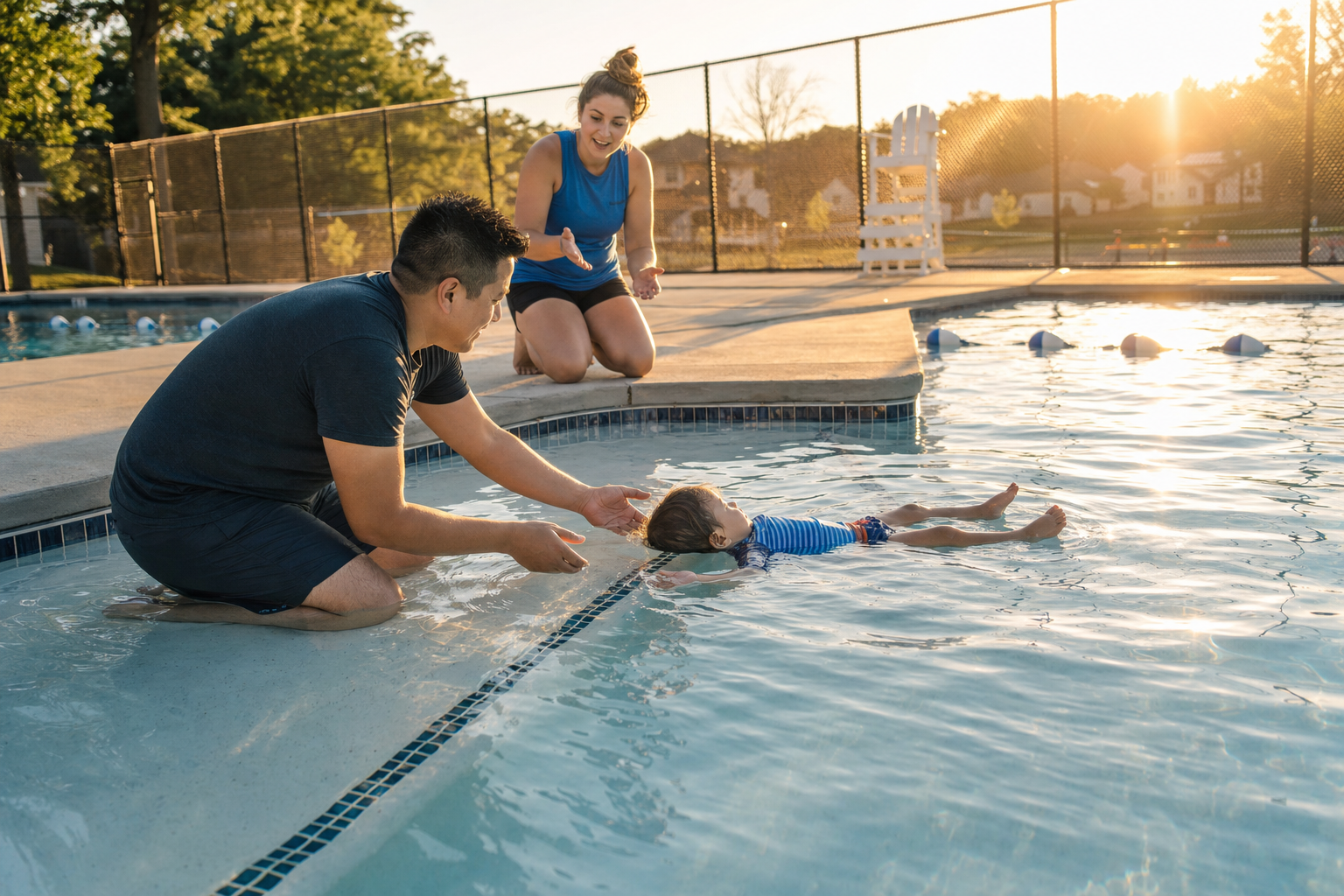
If a news story about infant or toddler drowning has left your heart racing, it’s natural to want action immediately. What matters most now is building a safety plan—layered, realistic, and exactly tailored for little ones aged 0-36 months. In this article you'll find the most vital steps: supervision, barriers, CPR, life jackets, safer classes, and what to expect for babies and mobile toddlers. These are based on the latest guidance from the AAP, CDC, and other trusted experts, because when it comes to drowning prevention toddlers deserve clear, solid tools.
What Experts Say: Lessons and Water Safety
The American Academy of Pediatrics (AAP) now recommends swim lessons for many children after they turn one year old, but emphasizes there’s no evidence that lessons for infants under 12 months reduce drowning risk.(publications.aap.org) For toddlers (1-3 years), swim lessons and water competency training can reduce risk—but swim lessons are never enough on their own. Close, constant supervision remains the cornerstone.(cdc.gov) The AAP’s revised policy highlights these layered prevention strategies: four-sided pool fencing, vigilance under arm’s reach, life jacket use, swim lessons when age-appropriate, and CPR training.(publications.aap.org)
Building the Layers: Your Family Plan
When headlines about baby water safety after news hit home, start with these layers in your family’s plan—each makes the whole so much stronger.
Supervision That Saves
For children under 3, especially mobile toddlers, supervision must mean an adult within arm’s reach—always. The AAP calls this “touch supervision.” Distractions like phones, socializing, or housework compromise safety.(healthychildren.org) When your child is in or near water—even in lessons or shallow splash—never leave them alone. A pop-by aunt, pool party, or short restroom break: those are moments to hand off supervision, not vanish.(cdc.gov)
Barriers & Life Jackets
Four-sided fencing with self-closing, self-latching gates around home pools is worth every dollar—it prevents unsupervised access.(publications.aap.org) For natural water like lakes or rivers, firm boundaries and close supervision are essential. Life jackets that are Coast Guard-approved add another layer of defense—especially during outings or boat use.(publications.aap.org) But remember: a life jacket isn’t a substitute for someone watching. It helps, but only as part of the plan.
If you want a structured way to build water confidence at home, the 10-Week Plan guides you step by step.
CPR & Rescue Skills
Tragedy often hinges on seconds. Caregivers should all learn infant/child CPR—we’re talking chest compressions, rescue breaths, unconscious child recovery, and how to call for help.(publications.aap.org) Knowing what to do after something happens can be the difference between recovery and lifelong impacts. Non-fatal drowning can lead to serious neurologic damage if resuscitation is delayed.(publications.aap.org)
[[ctababy]]
Infant & Toddler Swim Classes: What to Know
Many parents react to after drowning news by rushing infants into survival swim lessons. But experts urge caution and clear expectations.
For babies under 12 months, the AAP says there’s no strong proof that infant swim programs lower risk of drowning, even when those programs teach reflexive floating or “back float.”(healthychildren.org) These classes can offer bonding, help infants feel comfortable in the water, and teach parents safety habits.(healthychildren.org)
After one year old, when mobility, coordination, and judgment improve, swim lessons can help toddlers build water competency: skills like floating, surface swimming, turning, exhaling underwater, and exiting water safely.(publications.aap.org) To pick a good program, you want patient, certified instructors; warm water (mid-20s Celsius, or about 87-94°F); sessions where toddlers are active, not waiting in line; and classes that include parents so everyone learns safety rules.(healthychildren.org) If you're looking for a structured curriculum, some swim schools offer a 10-Week Plan that walks toddlers through water readiness, safety habits and basic survival moves, while emphasizing realistic expectations for 1- to 3-year-olds. See this kind of course at 10-Week Plan.(healthychildren.org)
Setting Realistic Expectations for Children 0-36 Months
Babies (0-12 months) are learning control. They can kick and paddle, maybe float reflexively, but they cannot swim independently or truly survive without adult help. Classes help with comfort around water and parent education—not rescue. Toddlers (12-36 months) can learn more, but every skill must be reinforced. Swim lessons should not give the illusion that water is safe without supervision. Even toddlers who swim well still need life jackets when boating, barriers around water, and supervision at every moment when water is around.(publications.aap.org)
What to Do After Hearing a Story: Your Safety Action Steps
After reading about a tragic event, channel fear into action. Start at home: ensure that any pool you use is fully fenced; lifeguards are present if appropriate; life jackets are in perfect condition. Practice CPR with someone. Research swim programs in your area; ask: “Do you require touch supervision? Is the water warm? What skills will my 18- or 24-month-old actually learn?” Talk to your pediatrician to make sure any lessons match your child’s developmental level.
Final Word: The One Thing You Must Never Forget
No pool fence, swim lesson, or life jacket replaces close, constant, and capable supervision. Even the best swim instructor can’t prevent drowning if a caregiver isn't present and attentive. When placing your child in or near water, your eyes, arms, and mind must be there for them—even when the water looks calm. In these moments, a plan layered with barriers, lessons, life jackets, and CPR isn’t worry—it’s what saves lives.
120+ swimming exercises sorted by age — with video and instructions. Developed by swim instructors, completely free.

120+ swimming exercises sorted by age — with video and instructions. Developed by swim instructors, completely free.