Mesh Swim Gear Bags for Kids: Dry Fast, Label Right, Don’t Lose
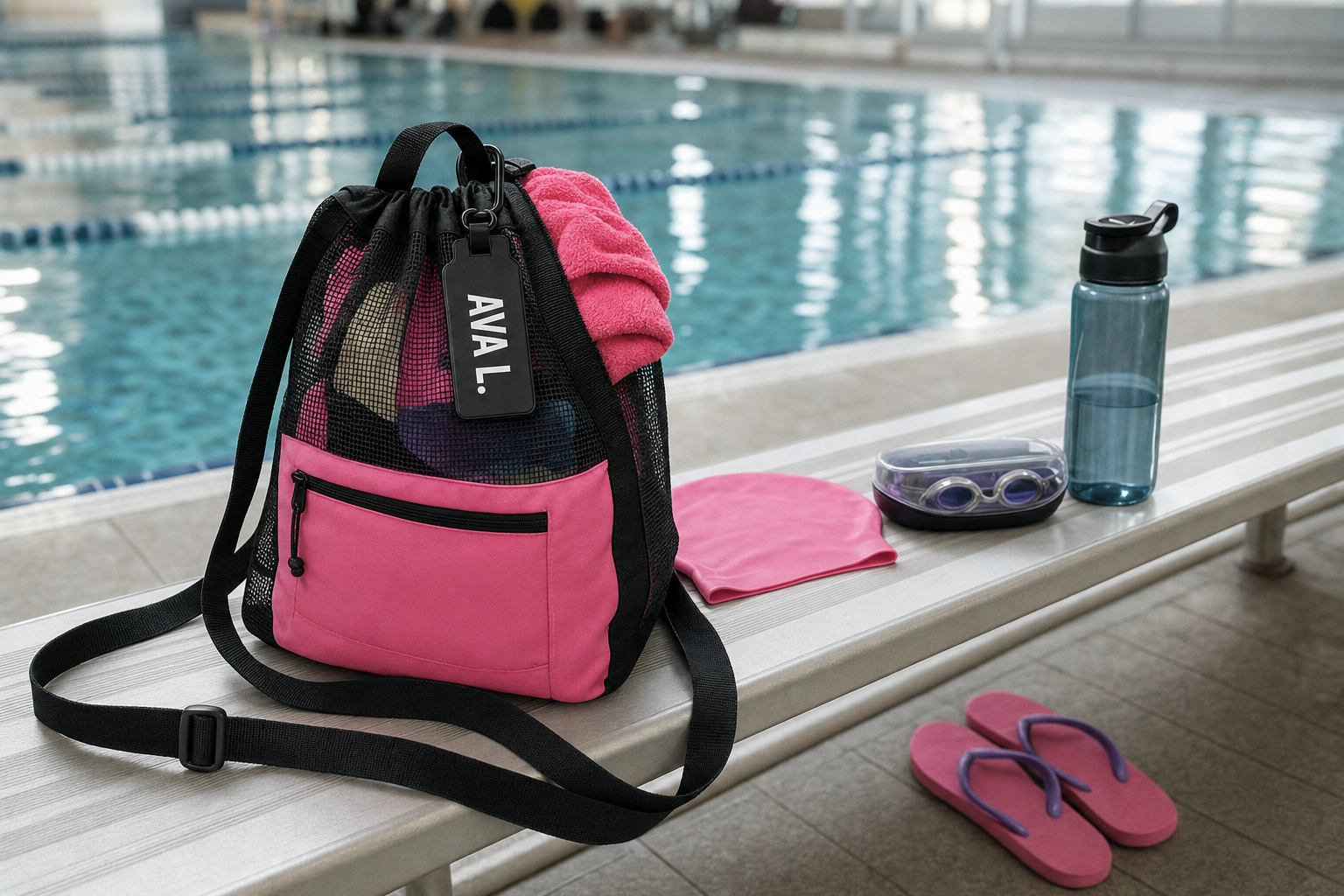
If you've ever grabbed your child’s swim bag only to find soggy gear, muddled goggles, and zero idea which towel belongs to which twin, this guide is for you. Let’s dive into what makes the best mesh swim bag for kids ages 3–12, how to label it properly, and routines that prevent mildew and lost kit.
What Makes a Mesh Swim Bag Ideal
First, the size and strap system matter more than you might think. A bag too large will drag across deck or catch on benches, creating slip hazards and extra wet mess. Aim for something roomy enough for one swimsuit, cap, goggles, and a lightweight towel—about 12-16 inches tall (30-40 cm) and wide enough to lay flat without bunching. Wide, adjustable shoulder straps help avoid sharp strap pressure and allow growing kids to carry their own bag with pride.
Next, material and closure type. Fully mesh or mesh panels on nylon help wet gear dry quickly and reduce mildew. Poly-mesh or polyester/nylon blends are commonly used by major swim gear retailers for that reason. Look for easy closures—drawstring tops are fast, zip tops protect belongings, and well-reinforced handles reduce ripping from heavy gear.
Label Well, Be Seen, Stay Safe
A bag without a visible name tag might as well be invisible. Use a waterproof, durable tag or label made from rigid plastic or laminated material. Bold lettering helps in low light—avoid fancy script fonts that fade or smear.
Only include first name and last initial or first name and parent phone number. Full addresses are overkill and potentially unsafe. A big safety note from InchBug’s guide: materials, loops and tag placement must survive wet conditions, chlorine, salt, and frequent using. (inchbug.com) SwimmerLiving offers label tech that stays put, resists fading, and survives being dragged through locker rooms. (swimmerliving.com) Avoid printing or sticking labels on outer fabrics that drag on the deck where they’ll peel or get damaged.
Pack Smart, Dry Faster
Stuffing gear inside the mesh bag might seem tidy, but it’s the fastest way to trap moisture. Wet suit separate from dry things outside or use dual-compartment bags: a wet side and a dry side. Rinse swimwear and goggles in fresh water right after use—chlorine, body oils and sunscreen residues are mildew fuel. U.S. Masters Swimming recommends mesh gear bags specifically to let damp gear breathe until it can be hung to dry. (usms.org) Change damp towels frequently; if left folded and wet, they can slow drying for everything else inside.
[[ctakid]]
Here’s a powerful routine many swim parents recommend: when school or lesson terms start, pre-stock the swim bag with essentials—suit, cap, goggles, towel, perhaps a snack and drink. Keep a clean spare towel and set aside time each week to inspect and hang bags open to fully air-out. Following a schedule like the “10-Week Plan” from swimy.org can help build these habits into your child’s routine without overwhelm. https://www.swimy.org/10-week-plan
Safety & Common Pitfalls
Oversize bags drag, trip, get caught on furniture or deck plates. Bags that reach the ankles or trail behind are no good. Size appropriately for your child’s height and let them carry with adjustable straps. Always keep medicines (ear drops, inhalers) in a separate, waterproof pouch—pool decks and wet bags are not the place for capsules or liquid medications to leak or get mixed up.
Don’t let towels take over the mesh bag. Thick, fluffy towels slow drying for everything else. Replace with quick-dry microfiber towels if possible; store them folded on top or fully outside the mesh portion so airflow can reach base gear.
Tags matter. Without a durable ID tag or label, kids’ kit disappears when piles of identical bags are piled in hallways or locker racks. The best ID tags are made with high-contrast letters, placed on the main handle or top carry loop so they’re visible when hanging. External tags are more useful than internal ones for quick bag recognition by staff, other parents or your child. (inchbug.com)
Kids Swim Kit Checklist & Packing Flow
Here’s a tested flow to reduce forgotten kit, mildew, and chaos. Before school, lesson, or meet: swimwear or trunks (on if helpful), cap, goggles in protective case, microfiber towel, flip-flops for wet deck, fresh water bottle, and a snack. Post-swim: rinse suit, shake off excess water, remove towel and hang, open bag vents or unzip to dry, apply waterproof tag inspection.
Make sure everything is in the right place so you aren’t rifling through lockers five minutes before the lesson. Clothing bag, swim kit, wet bag, gear bag—each piece has its zone. Refill and check legibility of ID tag weekly.
Mesh swim bags for kids ages 3-12 don’t need to be elaborate—they just need to be smart. The best mesh swim bag for kids is one that dries fast, keeps everything together, fits well, and carries clear labels. As soon as you nail size, straps, labeling and a drying routine, forgotten items and mildew become problem things of the past.
120+ swimming exercises sorted by age — with video and instructions. Developed by swim instructors, completely free.

120+ swimming exercises sorted by age — with video and instructions. Developed by swim instructors, completely free.