After Heavy Rain: Safe Swimming Decisions for Families (24–72-Hour Guide)
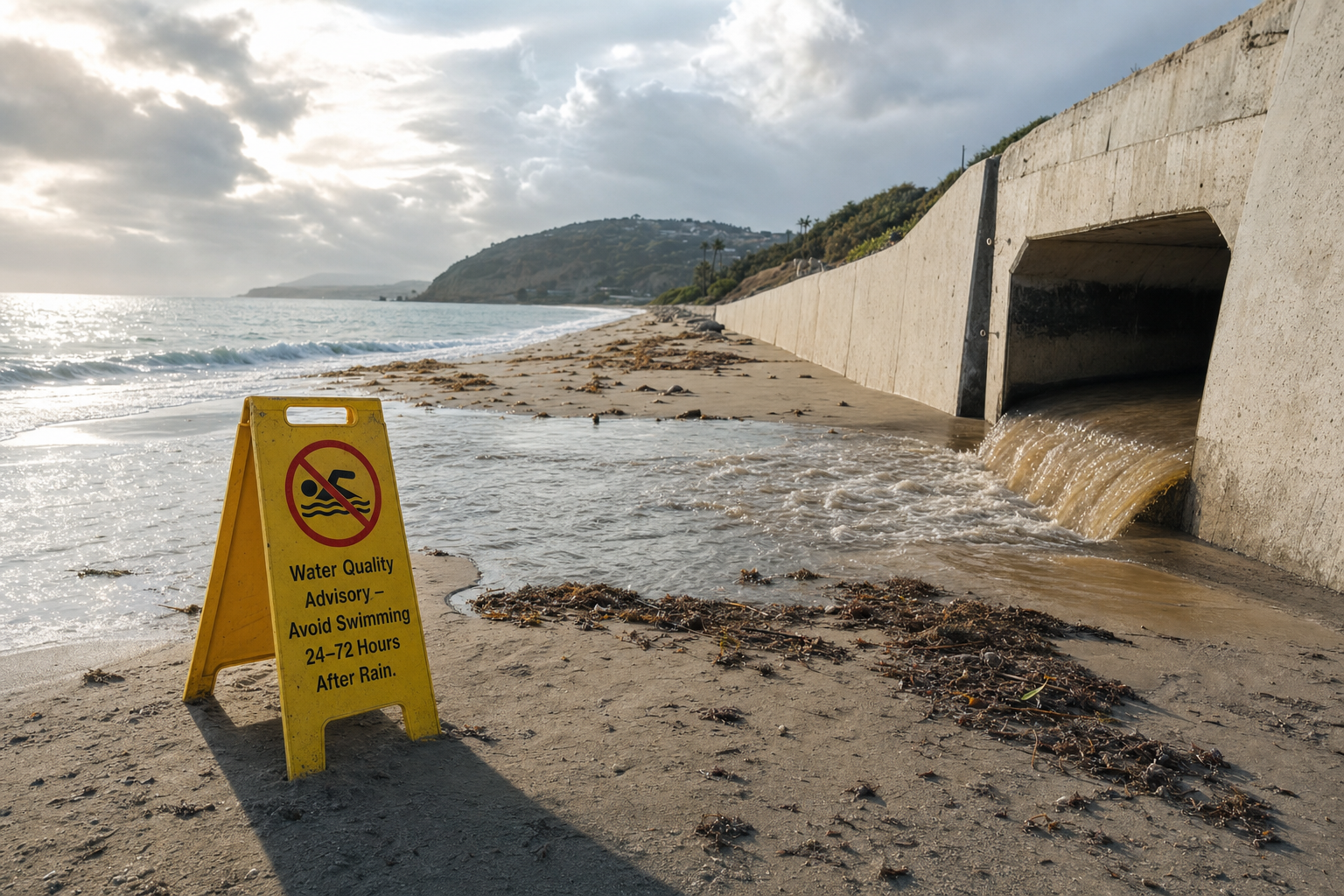
When heavy rain hits, that nice beach day could turn risky—even when the water looks clear. Germs from streets, animal waste, and sewage often get washed into oceans, lakes, and rivers. Saltwater and freshwater bodies near storm drains or river mouths can carry bacteria you can’t see, smell, or taste. This guide helps parents of 3–12-year-olds know when it’s safe to swim after rain, how long to wait, and what local advisories to watch—because a rash, tummy bug, or ear infection isn’t the kind of post-walk story you want to tell.
What Happens to Water After a Storm
Heavy rain creates runoff: water that rushes off roads, lawns, and hillsides into storm drains, creeks, river mouths, and ultimately into larger bodies of water. That runoff can carry germs from animal waste, plant debris, chemicals, and even human sewage. The CDC warns that natural waters—even if clear—can spread illness if contaminated this way, especially after a heavy rain. (cdc.gov)
Children are especially vulnerable because they often swim with their heads submerged, swallow bits of water, or venture into shallower areas where contamination concentrates. One infection type that pops up often is swimmer’s ear, a bacterial or fungal infection in the outer ear canal. According to Cleveland Clinic and Mayo Clinic, water trapped in the ear is one of the main causes. Kids aged 7–14 are among the most affected. (my.clevelandclinic.org)
The 24-72-Hour Wait Window
After heavy rain ends, councils, health authorities and beach organizations usually recommend waiting before letting your kids swim fully. The usual advice is:
- Wait at least 24 hours after a light rain event (if no streams fed into the area and conditions are mild).
- Wait 48 hours after moderate rain or when runoff into the water is visible.
- Wait 72 hours (three full days) after heavy rain—especially in urban areas, near river mouths, storm drains, or enclosed bays. (safetoswimhawaii.com)
Even if the water looks clear, dangerous bacteria may still be present. If water is brown, murky, or smells earthy or sewer-like, treat it as still contaminated and stay out of it—even if the 24-72-hour window has passed. (safetoswimhawaii.com)
Beach or River Mouth? Where Risks Are Higher
Don't just look at rain—look at where you want to swim. Areas near storm drains, creek outlets, and river mouths are especially high-risk after storms because contaminants funnel through these spots into larger bodies of water. The Surfrider Foundation reports bacterial levels near urban runoff can jump during and after heavy rain, so those spots need extra waiting. (quiversurf.app)
Keep up with skill building. If you’re enrolling your child in courses like the 10-Week Plan at swimy.org, you’re not just helping them swim better—you’re helping them understand safety around water, from staying near monitored zones to warming up safely. The confidence and awareness they build will prevent many of the issues caused by swimming too soon after rain. (You can find the plan here: https://www.swimy.org/10-week-plan.)
When looking for safer zones, pick beaches far from outlets, open coasts that get good flushing, or calm lake sections where water isn't flowing directly in from urban areas. If you're unsure, choose wading only—keep kids in shallow water without full submersion—while crossing fingers for better water quality.
[[ctakid]]
How to Use Local Advisories to Make Smart Choices
Always check local water quality alerts before heading out. These may come from city councils, state or national environmental agencies, or beach-watch groups. For example:
- In Massachusetts or Vermont, beach advisories often ask people to stay out 24-48 hours after a “significant rain event.” (healthvermont.gov)
- In Victoria, Australia, guidance is to avoid swimming more than one day after heavy rainfall in coastal waters, and up to three days in rivers or estuaries. (betterhealth.vic.gov.au)
Make sure advisory updates cover your specific swim site—not just the general area. Even within a beach that has a clean rating, river mouths or storm drains might still be dumping pollution. If an official sign says “closed,” or posts an advisory, follow it. These aren’t just suggestions—they protect kids from real infections and illnesses. (cdc.gov)
What Families Can Do: Prevent, Respond, Swim Smarter
Here are actions parents can take to lower risks and help their children stay safer around water after rain:
Let them wade, not dive. No head dunking during precaution windows or if there’s an advisory in place. Keep water away from cuts, wounds, or ears until everything feels clean and the risk is low.
Dry off properly. Use clean towels, tilt ears, and consider using a hair dryer on low heat (at least a foot away). Doctors recommend removing trapped water to reduce risk of swimmer’s ear. (health.osu.edu)
Talk up the “rules.” Teach kids to avoid swallowing water, to stay out if they smell anything funky, and to ask before going under. Stretching this into swim lessons helps—they already learn strokes, so teaching awareness of water quality fits nicely.
Bottom Line: When It’s Safe Again
So, is it safe to swim after rain? It can be, but only if you follow proper timing, watch advisories, and avoid risky locations. Most health authorities suggest waiting 24–72 hours, depending on how heavy the rain was and what runoff was involved. Don’t rely on water clarity. Always check local water quality before letting kids swim, keep heads above water during advisories, and stay away from storm drains or river mouths. Do that, and your next beach day has a much lower chance of leaving kids with a dose of nastiness in their ears, stomachs, or skin.
120+ swimming exercises sorted by age — with video and instructions. Developed by swim instructors, completely free.

120+ swimming exercises sorted by age — with video and instructions. Developed by swim instructors, completely free.