After-Swim-Class Decompression for Babies: What Parents Need in the First 20 Minutes
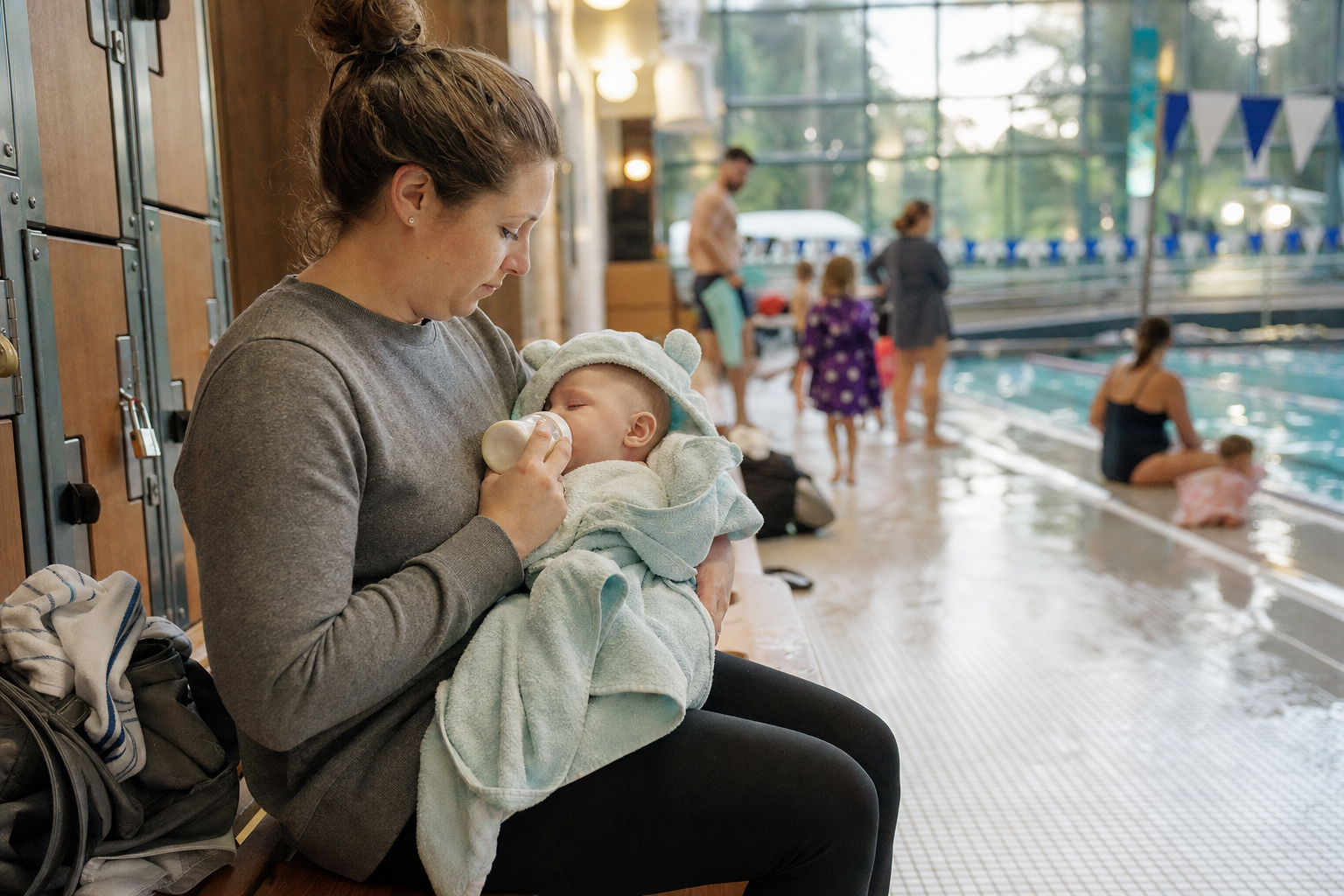
When you get out of that baby swim class and your baby is suddenly cranky—or unexpectedly zonked—it’s usually not just about being “baby tired after swimming.” It’s about giving them the 20 minutes of recovery they truly need: warmth, calm, milk or snack, and time to decompress. Get these right, and you’ll prevent meltdowns, overstimulation, hunger fits, or even chilling cold stress.
What Really Drains Baby After Swim Class
After a swim class, babies (0–36 months, especially under 12 months) go through a sensory overload marathon. Warm water, sudden cold air, echoey spaces, splashes, chlorine smell—and often noisy centres with lots of commotion. Their bodies work hard not just to swim but also to stay warm, coordinate movement, regulate breathing, and process all those sights and sounds. They carry that high-alert state back to dry land with them. When a swim class runs close to nap or meal time, you're asking your baby’s system to do more than it has bandwidth for. That often turns into crying, fussiness, or shutting down—which many parents mistake as something worse than what it usually is.
The First 5 Minutes: Warming Up and Quieting Down
Right when class ends, you’ll want to start with warmth. Wrap your baby in a thick, dry towel—ideally a hooded one—and cover the head. Changing out of wet swimwear immediately is essential: wet skin and damp clothes can keep heat escaping and worsen cold stress. A warm room or a car running its heater can help, or skin-to-skin cuddling for very young babies. Watch their skin tone. If there’s blueness around lips, hands, or feet—stop, warm them, and consider medical care.
5–10 Minutes: Milk, Snack, or Still Need More Warmth?
Hunger often masquerades as fatigue. It’s easy to miss hunger cues when your baby is overstimulated. Early signs include lip-smacking, hands to mouth, rooting for the breast or bottle. If it’s close to feeding time or you sense a dip in energy, offering milk or a small snack can calm them. But don’t force-feed when they’re cold, shivery, or showing signs of distress—that’s when cold stress might be at play. Feeding should come once warmth and comfort are back. Responsive feeding—feeding based on your baby's cues—helps you know the difference between true hunger and just needing rest. You can lean on cues to tell hunger vs tiredness, like yawning or eye rubbing for tiredness, or rooting and mouth opening for hunger.
10–20 Minutes: Let’s Slow Down the Sensory Input
This block is often overlooked. After 10 minutes of warm, quiet decompression, movement, sound, and visual clutter often get overwhelming. Tone things down: dim the lights, turn off loud background noise, speak softly. Offer a calm activity: soft toy, story, lullaby. Avoid shopping, errands, rushing. Babies under 12 months don’t need “extra practice.” Let them rest. This gentle wind-down helps them shift from swim-mode to home-mode. According to experts, most post-swim sleepiness is simply this kind of sensory fatigue—not illness or something more serious. If all is well—color, warmth, feeding, comfort—then letting your baby doze is fine.
If you want a structured way to build water confidence at home, the 10-Week Plan guides you step by step.
[[ctababy]]
Normal vs. Worrisome Signs: Tired, Overstimulated, Cold, Hungry, or Ill?
Knowing what’s typical vs what demands action can make all the difference. Here’s how experts break it down:
- Normal tiredness: baby’s still responsive once dry and warm; falls asleep sweetly; still feeds or calms down with mild comfort.
- Overstimulation: turning away, stiff body, jerky movements, blotchy skin or avoidance of eye contact. These are signals it's time to reduce input. (aquasensory.com)
- Cold stress: shivering, chattering teeth, pale or bluish lips or extremities, reduced body temperature when touched. Babies lose warmth fast. (chop.edu)
- Hunger: rooting, lip smacking, reaching for food, fussing when milk or snack is due. Not just sleepy. (cdc.gov)
- Illness or serious issue: fever, wheezing, persistent coughing after swallowing water, very floppy body, hard to rouse, signs beyond just sleepiness. Treat this as medical. (waterwisekids.com)
Practical Parenting Tips: What to Do Next Time
Set up an after baby swimming routine that covers these 20 minutes well. Aim to schedule swim classes so they don’t collide with nap time or just before a big feed. Bring a warm change of clothes, a large towel, a favourite comfort item. Plan light snacks or milk to follow up—not waiting too long if hunger is due. Use quiet time right after class: soft music, cuddle, minimal noise. Avoid cramming errands in immediately afterward or pushing for “more practice” if baby shows they're done. Also, make sure the swim school has policies that support these recovery needs.
When to Leave Class Early & Adjust Next Time
If you see cold stress signs or overstimulation that does not settle, it’s okay, healthy even, to leave early. Talk with instructors about what baby finds difficult—loud noise, certain holds, splashes. Adjusting class duration or frequency may help. The 10-Week Plan of swimy.org is one example of a structured program that aligns lesson times with feeding and nap schedules and adjusts expectations week by week. Using a plan like that can help your baby start class feeling ready, and recover more easily afterward.
Final Safety Caveat (Because We Must)
If, after swim class, your baby seems unusually cold, floppy, wheezy, has fever, looks blue, or is difficult to wake up, don’t wait—seek medical attention right away. These are not normal tiredness. Normal post-swim recovery includes sleep, quiet, mild fussiness—but not these alarming signs. Prioritize your baby’s health and trust your instincts.
Getting after-class decompression right—warmth, calm, feeding, protecting from sensory overload—makes a huge difference. Your little one benefits physically and emotionally from a calmer recovery. And you get peace, knowing you handled what looked like “baby upset after swim class” in the most supportive way.
120+ swimming exercises sorted by age — with video and instructions. Developed by swim instructors, completely free.

120+ swimming exercises sorted by age — with video and instructions. Developed by swim instructors, completely free.