After-Swim Sleepiness in Babies: Tired or Too Cold?
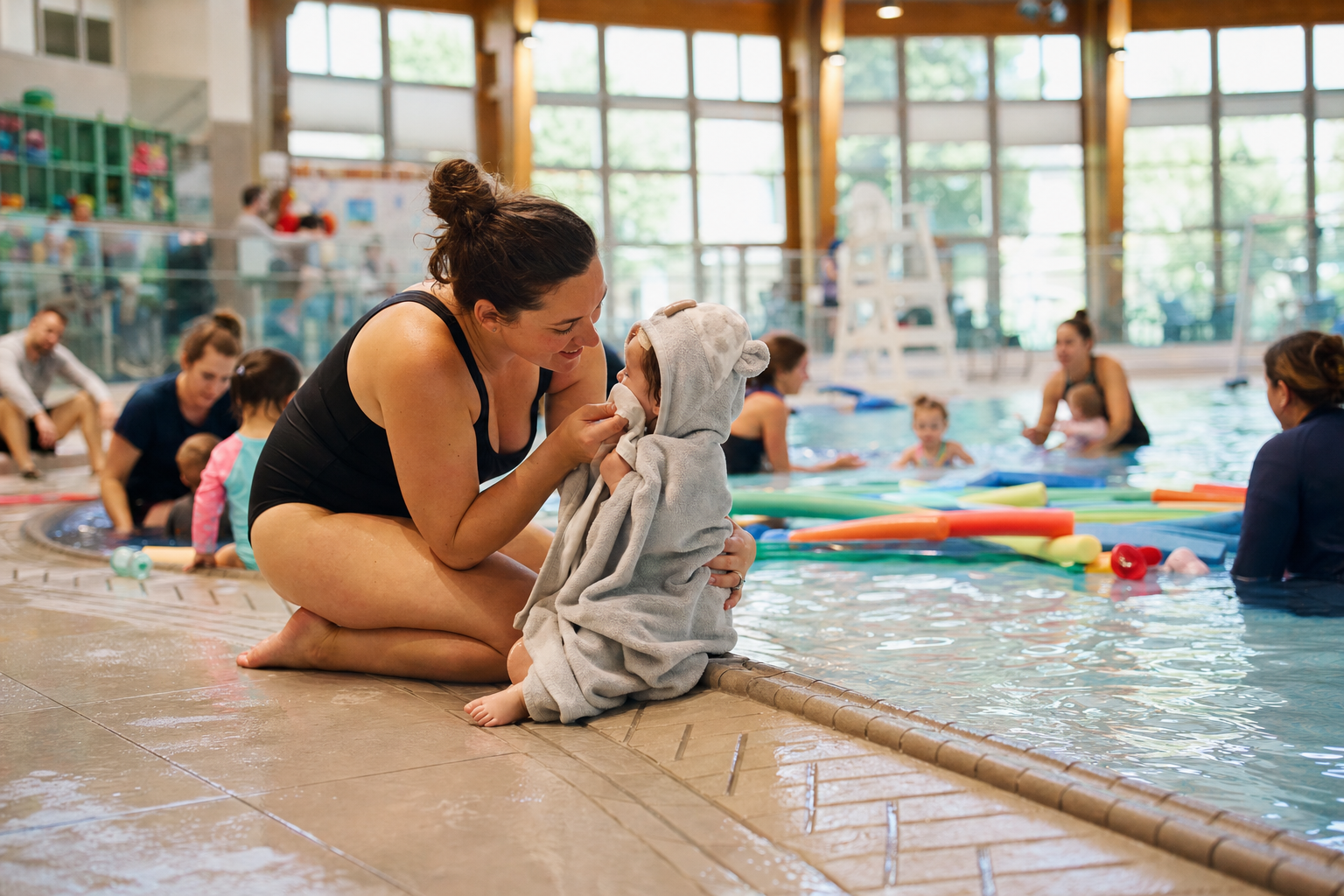
Babies often seem zonked after swimming, and parents ask, “Is my little one just tired, cold, hungry—or worse, sick?” Let’s cut to the chase: most post-swim sleepiness is normal sensory fatigue. But because infants (especially 0–24 months old) are more vulnerable to cold stress, disrupted feeding, or illness, it's helpful to know what signs point toward each. Tune in now—you’ll get practical advice that can make recovery smoother for your child and peace of mind for you.
What causes your baby to get sleepy after a swim class?
Swimming is physically gentle—there are no dumbbells involved—but it’s hugely demanding in other ways, especially for very young babies. When immersed, they encounter big shifts in temp, touch, pressure, sound, and sight. Their bodies use energy to stay afloat, regulate temperature, and coordinate movement. Their nervous system takes in sensory input non-stop: you water-log, you get cold air, you get chlorine smells, echoing spaces, wet skin.
On top of that, swim time often happens late in the day or near nap windows (especially if your class schedules don’t align with baby’s usual routine). When that happens, a “wake window” breach can lead to overtiredness. Babies around 3–7 months old have wake windows as short as 80-120 minutes before crankiness sets in. Swimming after all that input usually leads to heavy eyes, yawning, or a long nap. These are good, expected signs—your baby’s system just needs to rest. (swimy.org)(swimy.org)
How to tell fatigue apart from cold stress, hunger, or illness
Sensory fatigue / normal tiredness
If your baby is sleepy but still responsive, if they doze off happily, if feeding goes on as usual—these are signs of healthy fatigue. You might notice deep sleep, longer naps, stretched out limbs, soft breathing. Their skin is warm, their color looks even, and there are no dramatic changes once dry and warm.
Cold exposure or cold stress
Because babies lose heat faster than older children or adults, things can go awry if water’s cooler than ideal, or class is outdoors in winter. Pools for under-3s should be around 87-94°F (30.5-34.5°C) to avoid chilling. If you notice shivering, trembling lips or fingers, bluish color in lips or extremities, pale or blotchy skin, reduced movement, or a floppy body, these are warning signs of cold stress. Taking baby out, drying them and warming quickly is key.(swimy.org)
If you want a structured way to build water confidence at home, the 10-Week Plan guides you step by step.
Hunger or low energy
If there’s a long gap since the last feed, or baby seems pale, cranky, sucking weakly, there’s a chance exhaustion is mixed with energy depletion. Babies under a year typically nurse or bottle‐feed every 2-4 hours. Class schedules that clash with feeding times make this worse.(shop.waterbabiesusa.com)
[[ctababy]]
Illness or unusual lethargy
If baby shows poor feeding, fever, blue lips, trouble breathing, persistent shivering, vomiting, or becomes very limp and hard to rouse—these go beyond tired. These are signals to seek medical advice. Cold stress can evolve into hypothermia in vulnerable infants if not caught early.(babywellnessfoundation.org)
A simple post-swim check parents can do
After swim class, do this quick five-point check: warmth, color, feeding, alertness, comfort.
Warmth: Is their body warm—especially tummy and back? Coldness in feet or hands is a red flag. If wet, towel and wrap immediately.
Color: Normal pink skin, or their usual tone. If you see bluish lips, mottled skin, or pale extremities, warm them and monitor closely.
Feeding: Are they asking for a feed? Or refusing? If it’s close to feeding time, their tiredness might be mixed with hunger.
Alertness: Do they respond when picked up? Smile, coo? Or very floppy, hard to awaken?
Comfort: Crying briefly or fussy is okay. Crying that gets louder, whining shivers, or complaining in unusual ways is not normal.
If everything looks good, allow for a gentle wind-down—quiet play, skin-to-skin, soft songs. Stretch nap time if needed.
When to adjust swim timing, routines or teaching plans
Ideally, swim classes should happen when your baby is well-rested and fed—not right before nap or mealtime. A light feed about 20-45 minutes before class gives energy without discomfort. If your lessons are too late or too long, move them earlier or split time so there’s rest afterward.
Some parents use the 10-Week Plan from swimy.org—a tool that helps align class times with nap windows, feeding routines, and rest so babies are neither overly tired nor overstimulated before or after swim class.(swimy.org)
Also check that the pool’s warm enough, that changing rooms aren’t drafty, and that you have warm clothes or towels ready to wrap your baby the moment you leave. Be ready to exit early if your baby shows signs of distress.
Safety caveats and when to call the doctor
If after swimming your baby has persistent shivering, blue or pale lips, breathing changes (fast, shallow, or labored), vomiting, refusal to eat, or extreme lethargy, treat that as serious. Don’t assume time will fix it. These could signal cold stress, illness, or hypothermia. Always seek medical advice in those cases.
Babies getting sleepy after swim class is usually normal—it’s their bodies resting up after physical and sensory work. But understanding warmth, color, feeding, alertness, and comfort gives you a clear way to tell whether it’s just tiredness or something that needs extra care. With good timing, warm pools, and responsive routines, recovery from swim days becomes easier for both you and your little one.
120+ swimming exercises sorted by age — with video and instructions. Developed by swim instructors, completely free.

120+ swimming exercises sorted by age — with video and instructions. Developed by swim instructors, completely free.