Anchor Lines & Mooring Buoys: Kid-Safe Rules for Swimming Off the Boat
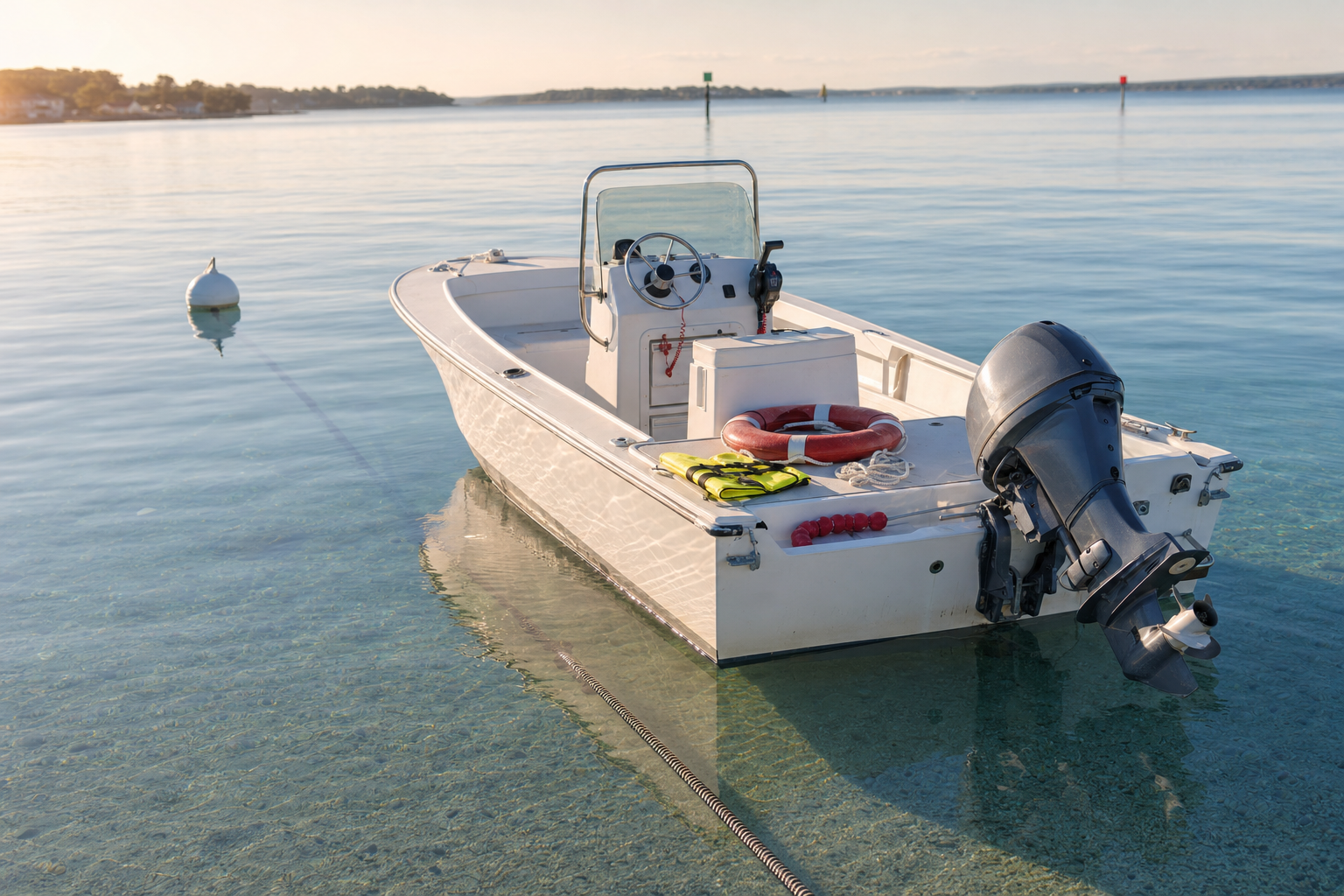
Kids aged 6–12 with strong swim skills are often eager to jump off anchored boats. To keep summer boating fun and safe, it’s essential to teach them clear rules around anchor lines, mooring buoys, and propellers. The following advice helps parents set safe zones, reduce entanglement risk, and build confidence.
Where to Swim: Keeping Clear of Anchor Lines & Mooring Buoys
First, always point out where the boat is anchored, and show the anchor line (the rope or chain from bow to the bottom). Explain that diving or even swimming near that line can be dangerous because it can wrap around legs or arms when the boat swings. Teach children to stay forward of the propellers—never swim behind the engine where the prop is, even if the engine seems off. Mooring buoys are floating markers or anchors tied to the seabed; swimmers should steer clear of the buoy and its line. For example, the Florida Flower Garden Banks National Marine Sanctuary warns that people must avoid tensions on mooring lines, and recommends using long bridle lines and constant checks of conditions. If a mooring is damaged, it should never be used. (flowergarden.noaa.gov)
In Maryland, rules around mooring buoys include making sure that the arc of the boat plus buoyed lines do not extend into channels or swim areas. That helps avoid swimmers drifting into hazards. (dnr.maryland.gov)
Prop Rules: Engine Off, Prop Check, and Safe Zones
One of the most critical safety rules is that before anyone enters the water, the engine must be fully turned off. Even idling props can still spin slightly and pose serious danger. California State Parks emphasize that a motor should never be restarted or used while people are swimming close to the boat. (dbw.parks.ca.gov)
Another essential tool is the engine cut-off switch (ECOS), required in U.S. law for many recreational boats. This device links the operator to the helm so the engine stops automatically if the operator is thrown off. This greatly reduces risk of propeller injury. (uscgboating.org)
Establish a "hazard zone" around the stern, swim platform, and anywhere the prop may spin. Let teens and younger kids know that that area is off-limits unless the boat is engines off, keys removed, and a deck watcher is posted. (boatingcompass.org)
Family Rules: Buddy Plan, Zones, and Swimmer Responsibilities
If you want a structured way to help your child progress at home, the 10-Week Plan guides you step by step.
Set up a buddy plan before anyone gets wet: two swimmers go out together, stay within sight of the boat, and always return before timers (ten minutes is a good idea). Parents should establish clear swim zones—maybe forward of the boat, more than a certain distance away from mooring lines, and never drifting backward towards the prop.
Explain kids must always wear properly fitted life jackets while around water—even strong swimmers—for extra safety. U.S. Coast Guard rules mandate a wearable personal flotation device (PFD) for every person aboard, and boats 16 feet or longer must carry a throwable device in addition. (uscg.mil)
[[ctakid]]
Designate a responsible adult as a deck watcher when kids are swimming. That person stays on deck, keeps eyes on swimmers, watches for drift into buoys or propellers, and ensures zones aren’t breached.
Tools & Training: Help Kids Orient Fast and Grow Skills
Kids caught safety slips often happen because they become disoriented in open water. Teach them to spot underwater landmarks like anchor line, buoy, boat stern, and always drift back toward bow, not toward prop. Swimming skills training and fun drills help with this. Programs like the 10-Week Plan from swimy.org offer structured practice that builds awareness and confidence for school-age children in open water.
Use bright high-visibility swimwear or PFDs. Children are easier to see, even at distance or in choppy water, if wearing neon colours or reflective strips.
Bring a throwable float or lifering on deck at all times. For example, Texas’s boating safety manual requires carrying a Coast Guard-approved throwable device on boats over 16 feet. (tpwd.texas.gov)
Common Pitfalls & How to Avoid Them
Even with all these rules, danger can creep in. Drifting can pull swimmers into anchor or mooring lines. Always check and reset anchor or mooring if the boat’s position shifts. Be extra on guard when current or wind change. Visibility near the prop can be poor—cloudy water or glare hides swimmers behind the stern. That’s why the deck watcher is so important.
Poor visibility with deck structures, ladders, cleats, or lines around the boat increases entanglement risk. Secure loose ropes, coil anchor lines cleanly, and make sure cleats are out of high-traffic swimming areas.
Final danger: forgetting a throwable float on deck. If someone gets into trouble, a float can buy time, but only if it’s close and easy to get.
Seasonal & Holiday Boating Checklist
Summertime and holiday weekends are high-risk times because many families are boating, often far from help. Before heading out:
- Check water depth and anchor location so the anchor line has enough scope (length) to hold securely without pulling tight. U.S. Coast Guard guidance recommends letting out 5-7 times the depth of the water plus distance from bow to waterline. (help.coastguardfoundation.org)
- Designate swim days when currents are calm, days are clear, and visibility is good. Mornings often better than late afternoon when glare increases.
- Make sure you're compliant with local rules: some areas restrict swimming near moorings or channels or enforce strict buoy use. Check state or county guidelines.
Swimming off a boat with kids can be one of the best summer memories—but only when done safely. Anchor line entanglement, propeller hazards, mooring buoy dangers: these are real but totally manageable with clear rules, proper gear, and constant supervision. Make safety fun, not scary, so children internalize the habits. With thoughtful prep and a sharp crew, your boating holidays can be safe, joyful and worry-free.
120+ swimming exercises sorted by age — with video and instructions. Developed by swim instructors, completely free.

120+ swimming exercises sorted by age — with video and instructions. Developed by swim instructors, completely free.