How to Read Baby Swim Lessons Cancellation Policies Before You Enroll
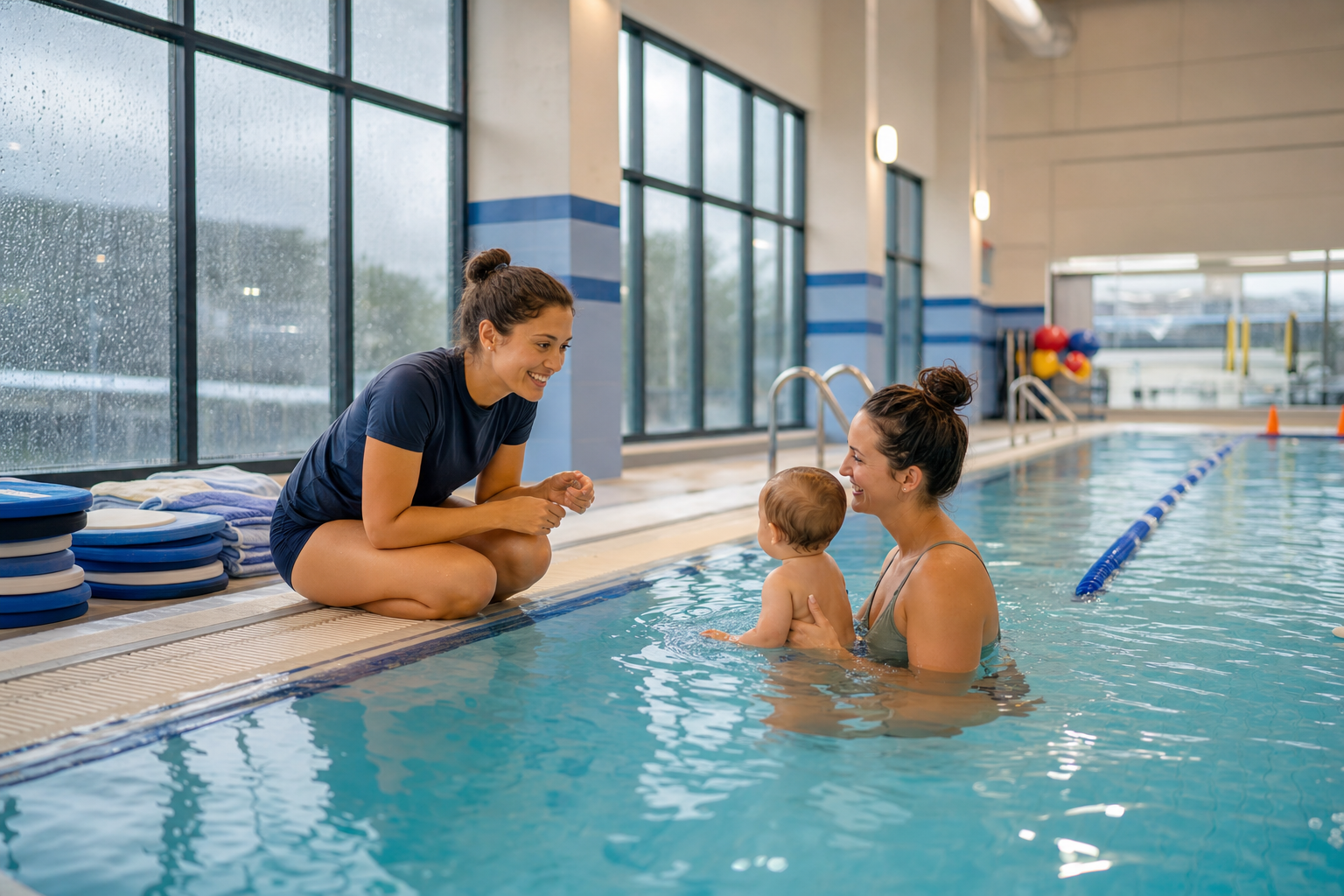
Got your eye on “infant swim lessons near me”? Before you click “register,” here’s what you really need to look for—especially with babies aged 0-36 months. The best policies protect you, your child, and let you make safe choices without stressing over fees.
What Makes a Safe & Fair Cancellation Policy
The policies that truly work for infants have a few core features. First, they recognize that babies get sick, weather happens, and sometimes skipping class is the safest move. Second, policies need to be clear when illness, storms, or pool problems trigger refunds, credits or make-ups. Finally, they need to ensure parents aren’t pressured into attending when it’s unsafe.
Illness, Pool Hygiene & Medical Refunds
When your baby is sick, muddy, covered in rash or worse—especially unsafe diarrhea—you should feel free to stay home. Policies should allow this without financial penalty. Some swim schools require a doctor’s note if you need to withdraw from term or semester courses early and refund you proportionally. In the UK, baby-swimming policies often state that if a medical professional advises against swimming, a refund will be apportioned for the rest of the term from when they receive the official note.(babyswimming.co.uk)
Health rules around pools are also important: many programs ban babies with contagious rashes, open wounds, or active diarrhea—a full two weeks recovery is not uncommon from facility policy documents.(cstx.gov) A program that insists attendance no matter what when your little one has been sick is usually one to avoid.
Weather, Storms & Conditions You Can’t Control
Policies should allow cancellations (on either side) for unsafe weather, especially thunder, lightning or other severe conditions. Look for what triggers cancellation: is it just rain, or conditions that affect visibility or safety? Many programs pause or cancel when there’s lightning, even when indoors, because electrical/weather issues travel through facilities.(wordenaquatics.com)
You also want to check whether make-ups or credits are offered when the swim school cancels due to weather. If not, and your family lives where storms are frequent, you may pay for many missed lessons. YMCA policies, for example, often guarantee a minimum number of lessons per session and offer credits if they cannot meet it.(ymcahouston.org)
At around 30-60% into many course pages, you’ll find deeper policies: for example, the 10-Week Plan at swimy.org includes specific cancellation, make-up, and refund rules tailored to parents of infants. It’s a good example of transparent policy that puts baby safety first.https://www.swimy.org/10-week-plan
Make-Up Lessons & Flexibility
Let’s face it: illness, travel, bad sleep, family emergencies happen often with babies. A good policy offers make-ups or credits for excused absences, not just for school or work reasons. Lil’ Guppies Swim School, for example, allows missed baby lessons to be made up per availability, with a notice period—so if your baby wakes up miserable, the financial hit doesn’t have to add to the stress.(earlylearningswim.com)
[[ctababy]]
Some swim schools offer package deals, where you might lose out if you miss too many lessons. If parents need to cancel permanently mid-program, good policies let them stop future charges or get partially refunded. Sometimes there’s a “token” or credit you can use later. Quest Swimming’s policy gives tokens for excused absences like doctor-backed illness, which can be redeemed later.(questswimming.com)
Common Pitfalls Families Overlook
Many parents search only for price and schedule. But they miss these dangerous small print traps: non-refundable packages that don’t allow refunds for sickness, misunderstanding storm rules that let you skip class safely, or make-ups that force you to attend even when baby is beyond tired.
Another gap is ignoring infant-specific health parameters like diaper hygiene, swim diapers, and waiting periods after contagious illness. These aren’t always clearly spelled out—but they impact whether your baby should swim, and whether you’ll be charged regardless.(cstx.gov)
What to Ask or Watch For Before Signing Up
Before committing to an “infant swim lessons near me” program, these questions help you clarify policy strength: “What happens if my baby is sick the night before class?” “Do you cancel for severe weather, and how much notice do I get?” “How many make-ups are included?” “Can I get a full or partial refund if we drop out mid-session?” “What proof (doctor’s note?) do you need for medical refunds?”
Make sure any answers are spelled out in writing—emails, website terms or handbooks—not just verbal. If you can’t find policies online, ask upfront. If the swim school pushes packages with “no refunds, no make-ups” without acknowledging baby safety needs, walk away.
Safe Decision-Making for Parents & Babies
Safety caveats: never send your baby to class if they’re unwell, have unsafe diarrhea, contagious rashes, or when weather or pool conditions make supervision difficult. Also, overtiredness counts: infants don’t learn well when miserable, triggered or exhausted—and policies should allow skipping without penalty.
Take a deep breath: a solid cancellation policy frees you to put health and safety first. You can enroll with confidence in summer intensives or winter indoor sessions alike, knowing you won’t lose money or feel pressured.
When policies are clear and put your child’s safety at the center, every splash becomes learning—not stress.
120+ swimming exercises sorted by age — with video and instructions. Developed by swim instructors, completely free.
120+ swimming exercises sorted by age — with video and instructions. Developed by swim instructors, completely free.