Wet Bag System for Baby Swim Days: A Two- or Three-Bag Setup That Trims Stress
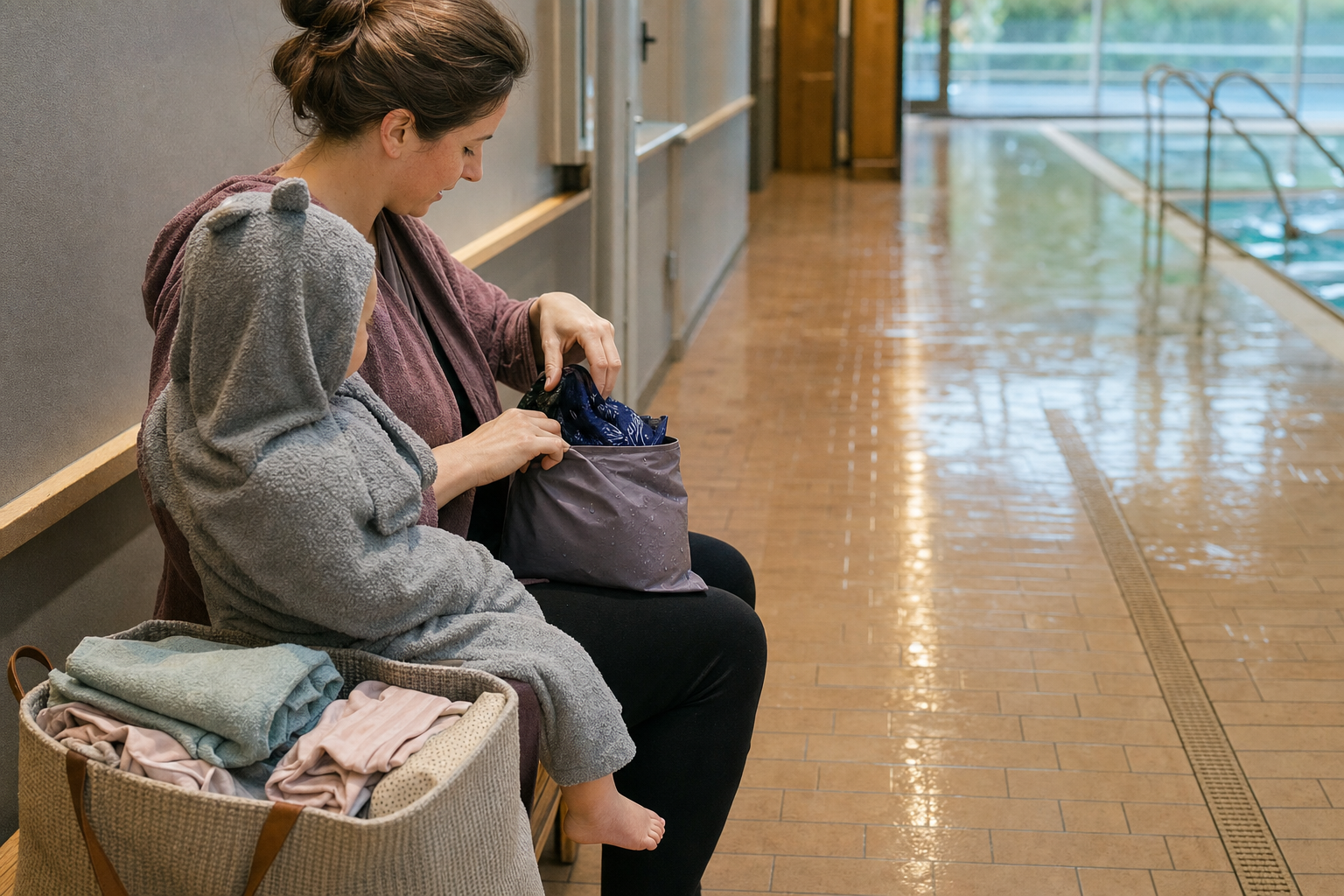
You know the chaos: slippery pool deck, wet towel clinging to dry clothes, cold baby huddled for warmth. Let’s cut straight to what really transforms swim class packing. This is about how to use two or three dedicated bags—not just “a wet bag”—to separate clean nappies, wet swimwear, contaminated towels, and dry parent clothes in a way that keeps baby warmer post-swim, helps with infection control, and makes your exit smoother.
Why Just One Bag Often Isn’t Enough
Using a single bag for everything on baby swim days invites several pitfalls. A swim diaper leaks, the towel still damp, or clean bottles touching soggy swimwear—these are common but avoidable issues. Swim schools and experts stress two things: change wet or soiled diapers promptly, and keep dirty items sealed away so they don’t contaminate clean gear. (cdc.gov) Without separation, wet swimwear or lotions mix with clean outfits. Babies lose body heat fastest when cold and damp, especially after indoor lessons or winter sessions. (swimmerliving.com)
Two-Bag vs Three-Bag Setups: What Works Best
Two-Bag Setup: Clean vs Wet Zones
Start with Bag A for clean, dry items: clean nappies/swim nappies, clean clothes/pre-swim outfit, extra dry diaper, parents' dry clothes. Bag B holds wet and contaminated items: used swimwear, towel, soiled swim diaper, wet socks. Always pack Bag B inside Bag A or attach them so you never lose track. This method works year-round, with extra value in winter when you want clean clothes out quickly and cold hands minimized. When you leave, pull the baby out of wet gear, wrap in towel (from Bag B), then into dry ones from Bag A.
Three-Bag Setup: Add Hygiene Buffer
Add Bag C as a small “dirty zone” bag. Bag A stays for clean items, Bag B for wet swimwear and towels, Bag C for contaminants: soiled swim nappies, messy wipes, outer layers soaked in pool water. This buffer helps separate items that need laundering vs. items just wet and heading home. Bag C can be sealed waterproof, so odor, microbes, and moisture stay sealed. Use this in winter or cold climates: contaminated items trapped until you can wash them, dry clothes ready immediately to keep baby warm. Experts for beach diaper packing advise “separate compartments or pouches for clean diapers, wet swimsuits, wipes, cream, and dirty items” to avoid cross-continent messes. (parentingmentor.com)
What Goes in Each Bag: Practical Breakdown
Here’s exactly what to pack so the system works without having to think each week.
If you want a structured way to build water confidence at home, the 10-Week Plan guides you step by step.
- Bag A (Clean-Zone): Two swim nappies, regular nappies, clean outfit including socks, parents' change of clothes if needed, dry towel or hooded poncho, maybe a bottle or snack in leak-proof container.
- Bag B (Wet-Zone): Used swimsuit, towel folded, wet swim shoes or socks, goggles, swim caps. Moisture-resistant or mesh wet bag works well.
- Bag C (Dirty-Zone, optional): Used swim nappies, soiled regular nappies/wipes, any clothing with leaks or dirty spots. Seal this bag fully to isolate smell and bacteria.
Alongside, you’ll want wipes, hand sanitizer, changing mat or large towel you don’t mind dampening, especially when sharing family change rooms.
[[ctababy]]
Cold Weather & Indoor Classes: Why Timing and Bag Order Matter
In winter or in any indoor swim class in a cooler climate, the moment after exiting the pool is high risk for chills. Baby loses body heat quickly once they’re wet. Experts recommend having dry, warm clothes and a hooded towel at hand. (swimmerliving.com) Put the clean dry layers from Bag A right over wet swimwear, then change out of damp swim under thing as quickly as possible. Keep Bag B and C loosely closed but ventilated until you leave to avoid mildew or cold‐soaked smells. Plastic wet bags trap moisture, so use breathable materials when possible. After swim class is easier if parent or caregiver wears swimsuit under casual clothes (zip-up or layers you can change quickly), so you can help baby without shuffling and freezing in damp long-sleeved tops. Reddit parents often suggest wearing your costume underneath to allow fast change. (reddit.com)
A Sample Year-Round Packing Routine Using the 10-Week Plan Technique
You don’t have to reimagine this every lesson. Think of a short season like a swim-class block (say 10 weeks) as your “10-Week Plan”: keep the same ready-to-go bag setup all session. Double-check strong smells or stains mid-season so you refresh contaminated bag (Bag C), wash wet items thoroughly to avoid mildew. The 10-Week Plan of swimy.org suggests cleaning and scheduling gear maintenance built into sessions so you never show up with a musty smell or missing towel. Use the same system week after week so putting everything back in the right zone becomes a habit. (swimy.org)
Every few weeks, inspect wet bags for holes or mold. Replace or wash them in hot water. Towels and hooded ponchos with heavy chlorine need more frequent wash to avoid skin rash. Bags with mesh allow airflow so wet gear dries during transit; completely sealed plastic ones can trap pathogens. Studies about mouth and pool water exposure (e.g. swim nappies vs regular nappies) underline that keeping pool water clean matters both for baby and facility rules. (swimwaco.com)
Avoiding Common Pitfalls
One mistake is putting a regular diaper under swimwear thinking it adds protection. In fact that can trap more moisture against skin and spreads contaminants. Use a swim nappy as required, then change to regular only after swim ends. Leaving wet swimwear on baby too long can chill them and irritate skin. Changing in uncomfortable communal rooms becomes much faster with this bag-system in place. And mixing clean bottles/snacks with damp swimwear invites mold, mildew, even bacterial growth—separate wet items in their own bag immediately.
Bottom Line: Start With Prep, End With Warmth
Right after most important items map into Clean, Wet, Dirty (if used), you’ll notice faster post-swim transitions. Less cold, less stress, no ruined outfits back home. You’re better prepared than 90% of parents who just toss everything in one gym bag. Keep all zones clean, stay consistent through the seasons—indoor classes in winter will become just as cozy as summer ones. Baby’s core warmth, dry clothes from Bag A, and clean gear wins every time.
120+ swimming exercises sorted by age — with video and instructions. Developed by swim instructors, completely free.

120+ swimming exercises sorted by age — with video and instructions. Developed by swim instructors, completely free.