Nose Clips for Kids: Help or Hindrance?
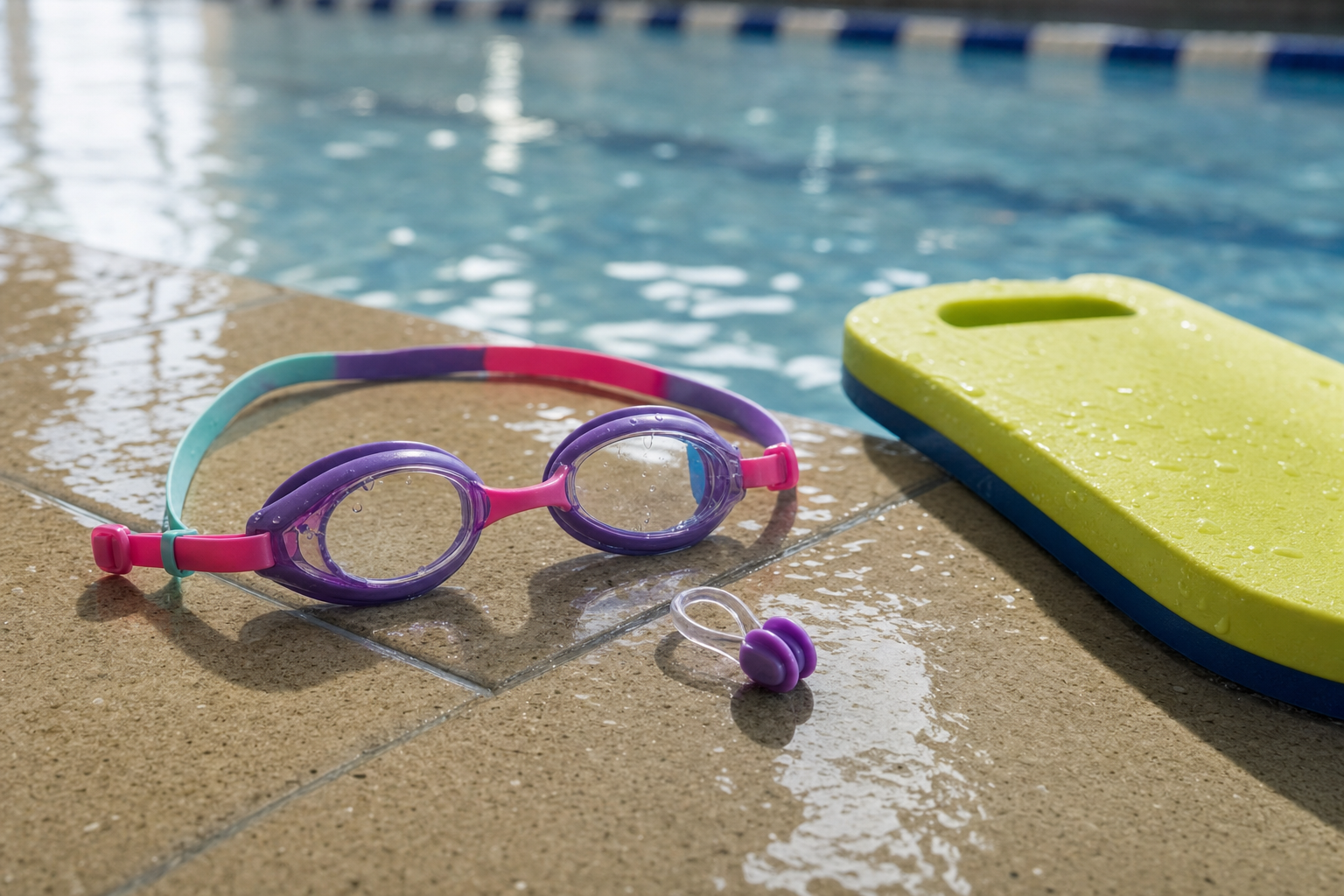
Wondering whether a nose clip for kids swimming is a blessing or a setback? If your child does backstroke and keeps getting that stinging rush of water up their nose, a nose clip might seem like the obvious fix. Some kids feel immediate relief using one during backstroke, somersaults, or those awkward moments when water splashes unexpectedly. But the tricky part is balancing comfort now with developing natural breath control later. Let’s dive in.
When a Nose Clip Makes Sense
For kids aged around 6–12 who are learning backstroke or trying new skills like flips, nose clips can offer both physical relief and mental peace. They stop water entering the nose, which allows children to focus on stroke form instead of every spurt of water in their face. Coaches agree that backstrokers often benefit from nose clips, especially in early training, because the recovering arm and head position can pull water into the nostrils.(220triathlon.com)
Nose clips also help reduce anxiety. For a child who has avoided putting their face in the water due to the unpleasant sensation, a clip can be a gateway tool. As one parent resource puts it, nose clips can help a nervous child get comfortable, particularly if water up the nose has been holding them back.(waterwisekids.com)
When using one, though, it’s critical you still teach and reinforce exhaling through the nose underwater. That simple skill—nose bubbles—is central: without it a child tends to hold their breath underwater, gasping on resurfacing, and struggles to establish proper breathing rhythm across strokes.(waterwisekids.com)
Downsides You Need to Know
When overused, a nose clip can interfere with real progress. One danger is dependency: if a child always uses a clip, they may never build the confidence to handle water in the nose, never fully learn nose-exhalation, and be caught off guard during swim meets or unplanned submersions.(waterwisekids.com)
Fit is another big issue. A poorly fitting clip slips, presses too tightly, irritates sensitive skin, or creates uncomfortable pressure. Junior-sized clips exist but too many parents go with adult versions, which often fail on both grip and comfort.(swimnetwork.com)
If you want a structured way to help your child progress at home, the 10-Week Plan guides you step by step.
There’s also the risk of using nose clips to mask technique faults. Rather than fix stroke posture, head angle, or exhalation issues, teachers or parents might rely on the clip to solve the symptom, not addressing breath control or technique fundamentals.(enjoy-swimming.com)
Safety matters too. Clips should never be used in breath-holding contests or any game that encourages holding breath underwater. Skin irritation—especially in sensitive kids—is a concern. Always rinse the clip, inspect the pads or rubber tips, and stop use if redness or discomfort appears.(waterwisekids.com)
[[ctakid]]
How and When to Wean Off the Nose Clip
If you choose to use a nose clip, treat it as a bridge—not a crutch. Start by using it just during backstroke practice or when introducing somersaults. Outside of those specific drills, encourage swimming without it.
One effective method is the “nose-bubble progression.” First, practice blowing bubbles from the nose above the water’s surface. Then do so from the pool edge, followed by dipping the nose in. Finally, practice with full submersion. This helps a child build the nose exhale reflex.(waterwisekids.com)
A helpful resource, such as the 10-Week Plan by swimy.org, integrates sessions with and without the clip to gradually phase it out while building breath control and technique.(swimhub.com.sg)
Coach-led drills also help. Ask your child’s instructor to assign time every practice where they swim without the clip, focus on exhaling through the nose in drills (backstroke pushes, flip turns), and maintain correct head position. These structured moments help shift comfort away from needing a clip.
Tips for Choosing and Using a Nose Clip Safely
Make fit your priority. Seek junior-sized, adjustable nose clips with soft pad “cushions.” Have your child try it dry first—if it presses too hard or slants, it won’t feel safe underwater. Silicone or rubber coatings help minimize slips.(swimnetwork.com)
Teach correct breathing dynamics: exhale through nose underwater, inhale through mouth above water. Avoid holding breath. If using a nose clip, ensure your child still learns to exhale continuously through the nose when possible. Clips should not lead to full mouth-only breathing, which disrupts rhythm.(enjoy-swimming.com)
Monitor for irritation. Wipe both the clip and the child’s nose skin dry after swimming. Replace worn-down pads or rubber tips before they cause rubbing or redness.
Keep it fun. Use playful drills like “bubble races,” where kids blow bubbles through the nose continuously for a count while submerged a little, then surface for air. Progress gradually in time and challenge; let them feel successful without the clip.
Bottom Line: Use Wisely, Wean Early, Focus on Breath
A nose clip for kids swimming, especially those aged 6-12, can bring short-term relief from water up the nose anxiety and help kids focus on form during strokes like backstroke. It gives breathing freedom in the moment—but long-term progress depends on practising without it. Build nose-exhale skills early, phase the clip out in everyday swimming, and never rely on it to cover gaps in technique or stress breath-holding. With the right balance, your child can comfortably master breathing, swim with confidence, and slip off the nose clip without missing a beat.
120+ swimming exercises sorted by age — with video and instructions. Developed by swim instructors, completely free.

120+ swimming exercises sorted by age — with video and instructions. Developed by swim instructors, completely free.