Lake Algae Blooms: What Parents Need to Know Fast
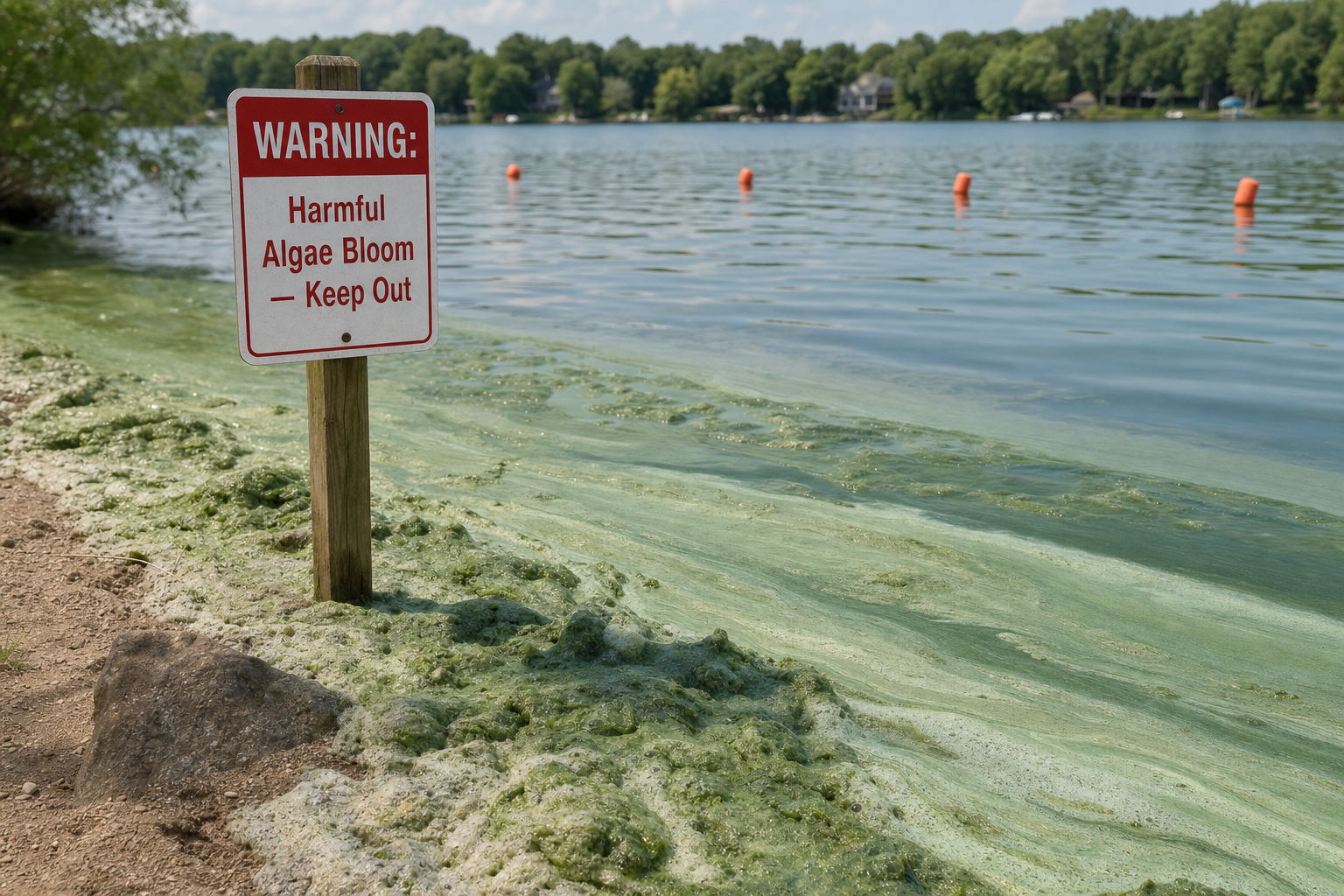
Recognizing Visible Signs Before the Kids Go In
If you're planning a lake day with your 3-to-12-year-olds, start by checking the water closely for any signs of a blue-green algae bloom. Sometimes called cyanobacteria, it can look like paint spilled on the surface—bright green, blue-green, even brown, red, or purple. Surface water might have thick foamy scums, sticky mats, or floating globs that wash up along the shore. The water may smell bad—like rotten eggs or decaying plants—or appear murky like pea soup. It’s warming up by late spring, and through summer into fall, these blooms become more frequent. Whenever you see discoloration, foam, mats, or an odd smell, that’s your cue to stay out. (cdc.gov)
Even a “just a quick splash” when water has visible bloom or scum isn’t harmless. Scums that wash ashore still carry toxins, and touching, inhaling spray, or swallowing water can all expose kids to danger. Shoreline mats should never be handled—it’s where high concentrations of cyanotoxins hide. (epa.gov)
How Algae Blooms Make Kids and Pets Sick
Cyanobacteria sometimes produce toxic substances called cyanotoxins. When kids swim, splash, swallow or even walk through bloom-contaminated water, they can get symptoms fast. Common signs include stomach pain, diarrhea, vomiting, headaches, rash, itchy eyes or nose, and sore throat. A child might also wheeze or start coughing. Pets can be even more vulnerable: drinking bloom water, licking algae off their fur, or swimming in it can lead to drooling, vomiting, seizures, difficulty breathing, or in severe cases liver damage or worse. (cdc.gov)
Severe illness is rarer, but possible. Neurotoxins released by some cyanobacteria (such as anatoxin-a or saxitoxins) can cause numbness, weakness, or even paralysis. Toxins affecting the liver may cause jaundice or dark urine. If your child or pet shows any of these signs after lake exposure, contact a healthcare provider or veterinarian immediately. (epa.gov)
When Are Blue-Green Algae Blooms Most Likely?
For most lakes in the US, UK, and Australia, bloom season runs from late spring through summer and into fall—roughly from May to September in many places. Warm water, high sunlight, calm winds, and elevated nutrients in the water (nitrogen, phosphorus) are ingredients that help cyanobacteria multiply fast. Heavy rains or nutrient runoff from fertilisers, lawn waste, or agriculture also trigger blooms. (csiro.au)
If you want a structured way to help your child progress at home, the 10-Week Plan guides you step by step.
Even though blooms are seasonal, they can appear quickly—sometimes overnight—and linger for days or weeks unless conditions change (wind, rain, temperature shifts). So a lake that looked fine yesterday might be risky today. Always check before you head out. (nps.gov)
[[ctakid]]
Checking Current HAB Alerts Before You Swim
Before you pack up and go to the lake, find out whether there’s a HAB advisory near me. In the US, the Environmental Protection Agency (EPA) publishes data and maps of harmful algal blooms and recreational advisories that update monthly. State agencies often track water bodies more closely and issue warnings or closures when toxin levels are high. (epa.gov)
In the UK, departments like DAERA in Northern Ireland or local councils maintain bathing water alerts especially in summer, and you can report suspicious water or check dashboards. (daera-ni.gov.uk) Australia has similar programs; authorities provide alerts for lakes and rivers and publish advice when blooms are detected.
Using these tools, you can plan safer lake days. Also, if your child is learning to swim beyond toddler stages, including structured programs like the 10-Week Plan from swimy.org can help build confidence in the water—and teach safe behaviour like not drinking lake water. That plan strengthens swimming skills and water awareness before the summer bloom season hits.
Safety First: What Parents Should Do
If you ever see visible scum, mats, or paint-like surface on the water, keep kids and pets out. Don’t let them walk through, touch or handle shoreline algae. Even splashing near algae can rub it on skin or swimwear. After any lake swim—especially if you weren’t able to check for blooms—rinse off thoroughly with clean fresh water. Change clothes and wash any exposed skin. Wash pets too, especially their fur, so they don’t lick algae off later. (fs.usda.gov)
If conditions seem risky—warm, still water with high levels of algae—it’s better to choose another lake, beach, or even a pool. Don’t assume “clear water” means safe; toxins can be present even when blooms aren’t obvious. And if public advisories are in place, pay attention: local agencies may close beaches or warn people off water. (oregon.gov)
Wrapping Up: Keeping Summer Fun Safe
Lake days are some of the best parts of summer, but blue-green algae are serious. Learn to spot blooms—scum, mats, paint-like hues, strange smells—and respect posted advisories. Watch for skin, eye, respiratory or stomach symptoms in kids and pets after exposure and seek help early. Rinse off after swimming no matter how quick the dip. With awareness and smart choices, you can enjoy water time without unnecessary risks. Stay informed, stay cautious—and make pure fun the priority.
120+ swimming exercises sorted by age — with video and instructions. Developed by swim instructors, completely free.

120+ swimming exercises sorted by age — with video and instructions. Developed by swim instructors, completely free.