Aqua Jogging for Kids (Ages 9–12): Safe Cross-Training Guide
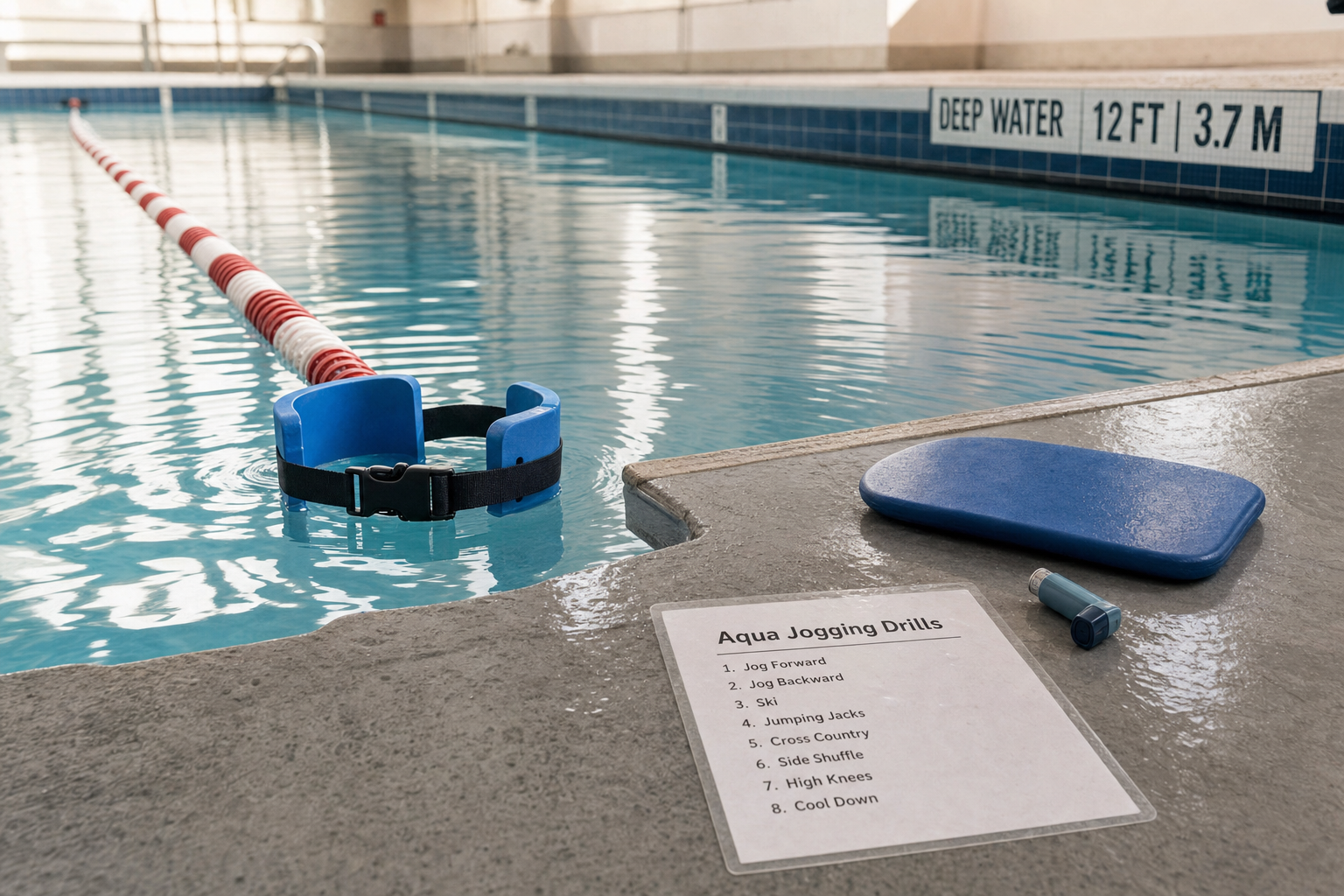
If your 9- to 12-year-old can’t hit the pool’s wall for full laps—maybe due to injury, asthma flare-ups or a growth spurt—deep-water running (or aqua jogging) with a flotation belt can be your family’s magic ticket. It’s a way for kids to keep cardio up and preserve that flutter-kick rhythm, without the pounding or exposure that can aggravate knees, lungs, or growing bones. Let’s sketch how to do this safely and effectively.
Why Deep-Water Running Helps
When kids go through growth spurts, their bones lengthen fast but muscles, tendons and coordination lag behind. That mismatch can cause pain, awkward movement, and risk of injury like growth-plate stress or apophysitis (e.g. Osgood-Schlatter or Sever’s disease around knees or heels) (stlouischildrens.org). Similarly, exercise-induced asthma (EIA) is less likely to flare during warm water workouts, where air is moist and stress on the lungs is more controlled than in cold, dry air or continuous land running (doi.org).
So when land running or full swim training isn’t possible, water running in the deep end (with safety belts) gives kids a chance to stay active, maintain cardiovascular fitness, and keep their kick timing steady—even if they can’t do full laps in the pool.
How to Do Aqua Jogging Safely
Flotation Belt Fit & Setup
Use a belt or floatation vest made for water running, like the AquaJogger® range, which include junior sizes. The belt should keep the child upright and the shoulders floating gently at water-level—strap the belt below the waist, snug but not tight, so it doesn’t ride up buckle or closure facing forward and foam part in back to support spine and torso (aquajogger.com). Always do this in the deep end (where feet cannot touch) to trigger proper running motion and avoid children relying on the bottom for support.
Duration & Frequency: Start Small
A typical aquatic therapy session lasts 30 to 45 minutes, but deep water running sets for school-age kids recovering from injury or navigating asthma should be far shorter to start. Begin with 10 minutes, perhaps 2-3 times per week, then build toward 15-20 minutes as tolerated. Overlong periods too soon can lead to fatigue, poor form, belt slipping, or discomfort in shoulders and hips. Research into aquatic interventions shows most children benefit at durations under an hour per session, especially early on (aquaticpt.org).
If you want a structured way to help your child progress at home, the 10-Week Plan guides you step by step.
Monitoring & Supervision
Since deep water always carries risk, children should always be supervised by a competent adult or lifeguard, with no rough play or distractions. Ensure a warm water pool—around 87-94°F (≈30-34°C)—so that muscles stay flexible and asthma and joint symptoms are less triggered (childrens.com).
Kid-Friendly Workouts & Adjustments
You want to make sessions fun and manageable so your child stays motivated. Always include a warm up: walking along the pool edge, gentle kicks or treading water while belt is unbuckled. Then begin the aqua jogging set: simulate regular land running stride, using arms naturally—not paddling or cupping hands; keep torso upright, eyes forward. If asthma is a risk, use inhalers or medications as prescribed prior to the session, and allow breathing breaks if needed (doi.org).
[[ctakid]]
For variety, alternate intervals: one minute jogging, 30 seconds rest (or easier kick or treading). Mix in high-knee runs, backs on flotation held in place so the child kicks vertically. Once wet routine is established, consider pairing deep-water runs with shallow water kicking drills or assisted swim strokes. For guided progression, programs like the 10-Week Plan from swimy.org outline gradual builds for aquatic fitness and might provide structure for injury recovery phases.
Specific Scenarios: Injury, Asthma, Growth
When recovering from injury—say sprained ankle, sore knee, or shin splints—deep-water running removes ground impact but allows motion that keeps joints lubricated and muscles engaged. For asthma flare-ups or EIB, warm and humid pool air plus the flotation belt reduces stress on airway; always follow medical guidance so symptoms stay managed. During growth spurts, children often feel stiff or awkward; deep water exercise lets them maintain movement patterns without causing or worsening pain or misalignment, giving their body time to adapt safely (frontiersin.org).
Avoiding Common Pitfalls & Staying Safe
Flotation belts riding up is a big issue: belt should sit low over pelvis. If it rises toward ribs, loosen and reposition. Overlong sessions are another risk—ten to twenty minutes to begin, with attention to how the child feels during and after. Signs of trouble include lingering soreness over joints, breathing difficulty, or belt discomfort. Always end with a cool-down—gentle swim or tread water, stretches, rest, hydration.
Make sure your child has swim know-how and confidence in deep water; comfort matters. Asthma medicines should be available poolside; communicate with supervisors about child’s condition. Finally, never combine flotation belt work with rough play. Play is fun, but mixing in splashing or games that shift belt or require reaching into air can risk tipping or belt displacement.
When to Seek Professional Advice
If your child’s discomfort persists after water work, or if asthma becomes harder to control, consult a sports medicine physician, physical therapist, or pediatrician. They can assess whether insult or excessive load or belt misfit is driving pain. If there’s swelling, sharp pains at growth plates, or breathing issues, stop deep water workouts until cleared.
Deep-water aqua jogging is a versatile, safe cross-training tool especially when land running or swim laps aren’t possible due to injury, asthma, or growth. With proper belt fit, short sessions (10-20 minutes starts), warm water, and close supervision, kids aged 9-12 can keep cardio, maintain technique, and feel supported through transitions. Your child can emerge stronger, healthier—and ready to dive back into full swim or land training when their body is ready.
120+ swimming exercises sorted by age — with video and instructions. Developed by swim instructors, completely free.

120+ swimming exercises sorted by age — with video and instructions. Developed by swim instructors, completely free.