Are Blue Swimsuits Safe for Babies? A Guide to Color for Visibility, Not Just Style
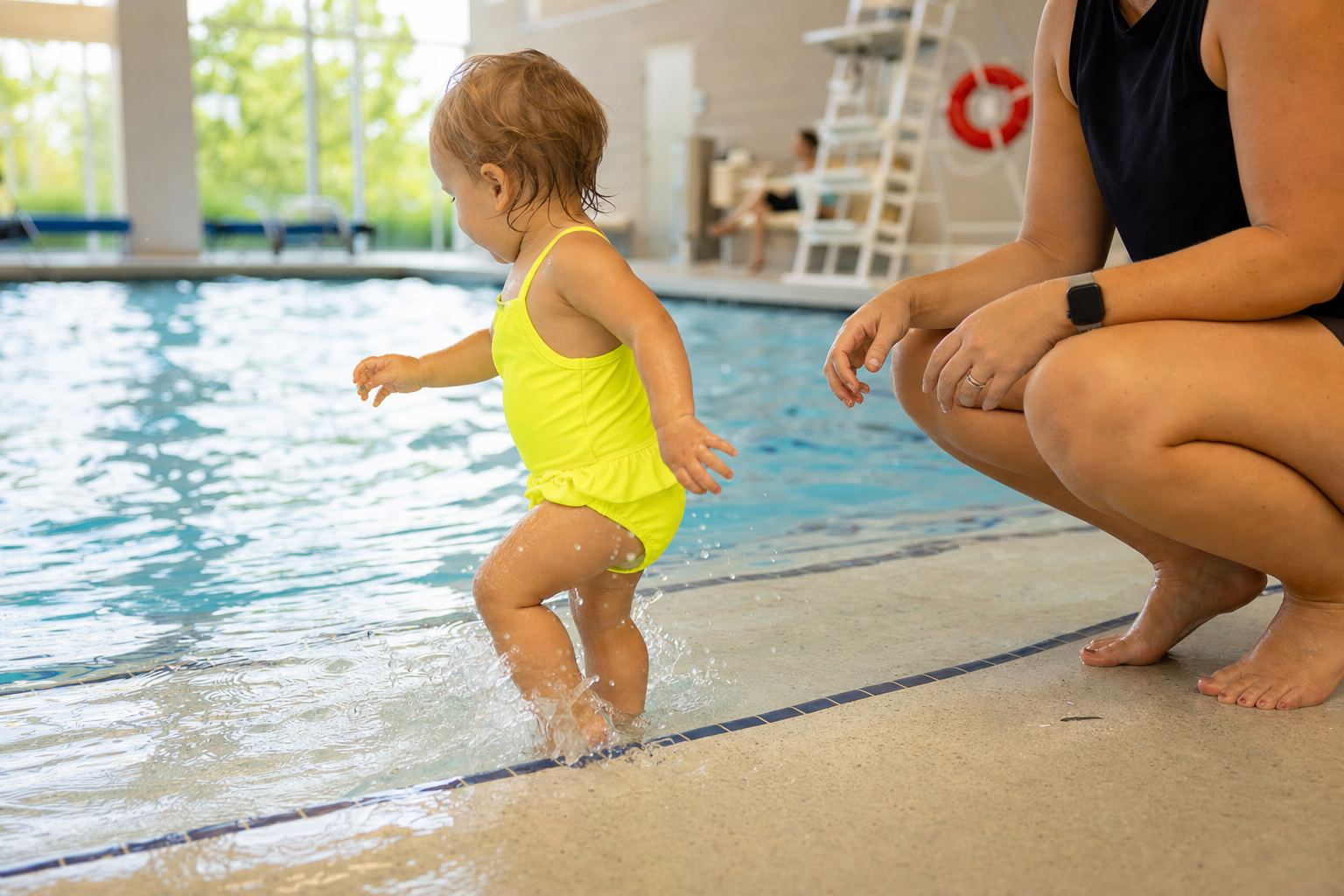
Every parent remembers that moment by the pool when your baby in a blue swimsuit nearly melts into the water—one second you spot them, the next, they're almost invisible. When you're keeping young children safe—especially infants and toddlers aged 0-36 months—visibility isn’t just about cute photos. It’s about helping caregivers see what’s going on, fast. So what swimsuit color is safest, and what should you avoid?
Why Swimwear Color Matters More Than You Think
Water distorts everything: light, shadows, and color. What looks bold on the beach might blend into the pool or lake just below the surface. In visibility tests by Alive Solutions, colors like blue, green, white, and pastels faded quickly or merged with reflections and glare. By contrast, neon yellow, orange, and lime green stood out sharply both in pools and natural water. (poolguardusa.com) Experts agree: poor contrast can hide a child during critical, fleeting moments, so choosing a high-contrast swimsuit can help parents and lifeguards spot kids faster. (popsci.com)
Yes, swim lessons, fences, and constant supervision remain the main safety tools. Even with the brightest swimsuit, a child still needs an adult within arm’s reach. The Centers for Disease Control & Prevention (CDC) warns that drowning can happen in seconds, and bright swimwear does not replace active supervision. (cdc.gov)
Blue Swimsuits: Attractive, But Why They Can Be Risky
So what happens when your baby wears blue—or sky blue, light turquoise, or pastel blue swimwear? Light blues often disappear into the water when viewed from above or below. Underwater, light blue mimics the pool floor, the water’s surface, or reflections. In lakes or the ocean, blue tones blend with water color, making detection harder. (sciencetimes.com) Dark blues and navy can look like shadows when light conditions change. White swimwear may reflect glare or look like floating debris or foam. (akronchildrens.org)
If you want a structured way to build water confidence at home, the 10-Week Plan guides you step by step.
If you have a blue swimsuit already, try adding a bright rash guard or swim cap. Even a neon accessory helps break up the silhouette and creates contrast. It’s not foolproof, but it dramatically raises visibility.
Best Swimsuit Color for Kids: What Research Shows
Studies testing visibility in various settings—pools with light bottoms, dark bottoms, lakes, and murky water—agree: these colors work best. Neon yellow and neon green consistently top the charts. Bright orange also performs well. These hues retain contrast in different depths, under changing light, and even during turbulence or poor visibility. Large patterns, dark prints, or muted shades may reduce the chance someone notices your child quickly. (poolguardusa.com)
[[ctababy]]
Neon pink helps in clear pools, though it fades faster in lakes or under murky conditions. Best colors win across environments. Avoid blending colors: combinations of light blue, white, black, or dark greens with pastels greatly decrease visibility. (sciencetimes.com)
How to Buy Smart: What Parents Can Do Now
When shopping for your baby’s swimwear for holidays or pool days, focus first on visibility, second on comfort. Start by scouting solid neon colors that contrast strongly with water—neon yellow, bright green, bright orange. Second, check for solid blocks of color rather than busy, dark, or camo-like prints. A color pattern may be cute, but if it fragments the silhouette it can confuse your eye in the water. Third, consider accessories like swim caps or rash guards in bright tones, especially for babies who spend time under the surface.
You might also combine visibility tools with skill building. For example, a parent might follow structured swim lesson programs. One example is this “10-Week Plan” from swimy.org that gradually introduces babies to water, teaches breath control, floating, and familiarizes them in pools—complementing visibility and supervision. This layered approach boosts safety far beyond just choosing the best swimsuit color. (poolguardusa.com)
Keep Supervision and General Water Safety Non-Negotiable
Even with optimal visibility swimwear, young children aren’t safe unless someone watches with full attention. The CDC stresses that children ages 1-4 are at especially high risk, and that drowning is often silent. Being within arm’s reach, avoiding distractions, and teaching infants early water comfort and swim skills are critical. (cdc.gov)
At natural water sites, visibility drops due to waves, currents, and murky water—adding to risk. Life jackets approved by authorities like the U.S. Coast Guard are essential. Also ensure pool areas are enclosed, gates latched, and adults are trained in CPR. (cdc.gov)
Blue isn't inherently dangerous, but for baby swimwear visibility—especially before summer holidays—it presents real risks. Opt for neon solid colors, add bright accessories, and most importantly stay alert. Your vigilance is the safety net no swimsuit color can replace.
120+ swimming exercises sorted by age — with video and instructions. Developed by swim instructors, completely free.

120+ swimming exercises sorted by age — with video and instructions. Developed by swim instructors, completely free.