Artistic Swimming for Kids: Start Safe at 8–12
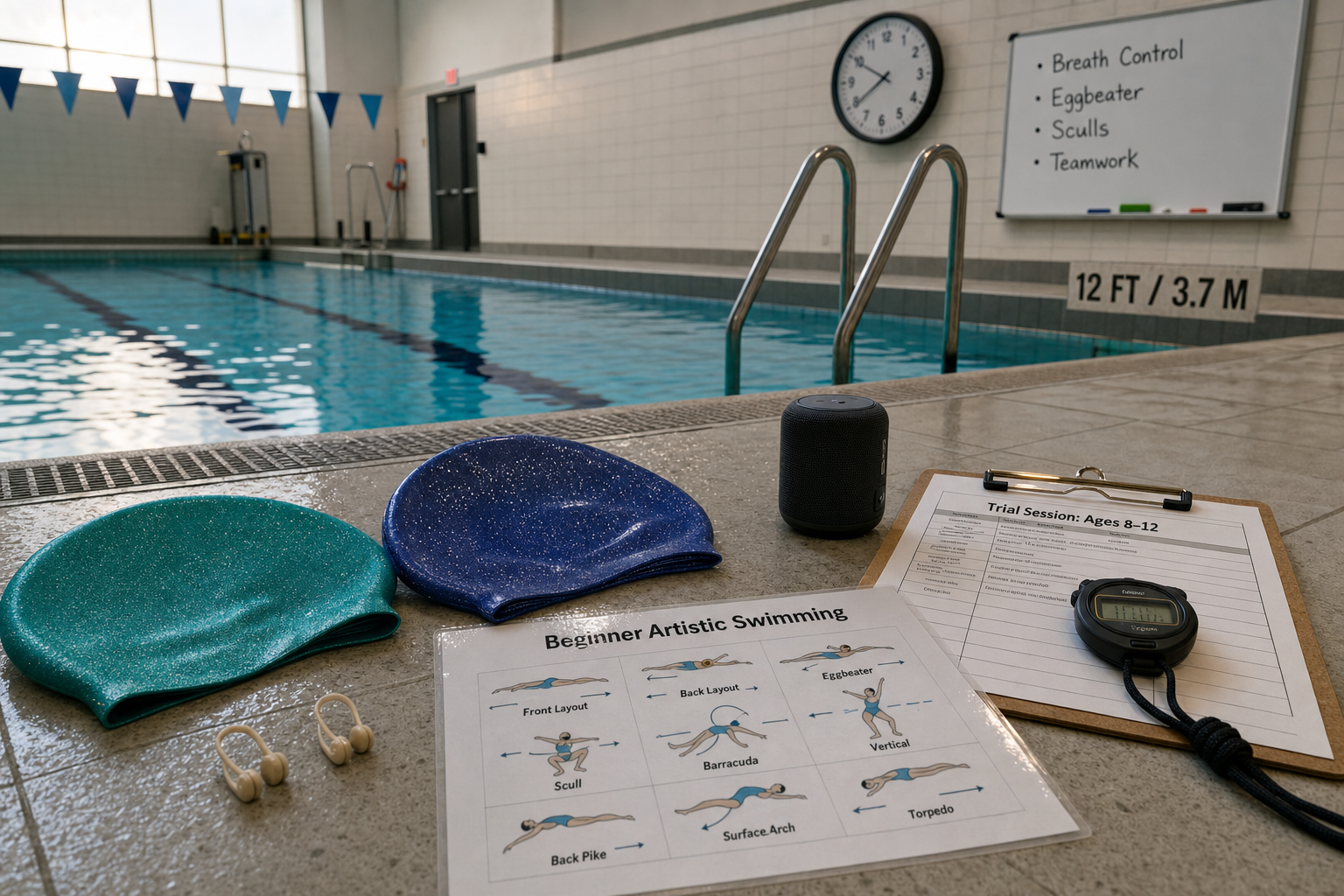
If you're looking for swim alternatives beyond lane laps, beginner synchro (artistic swimming) for ages 8-12 offers an extraordinary blend of breath control, flexibility, and teamwork—all housed in water. Before you sign up, there are critical thresholds your child should meet, safety factors parents must check, and peak seasons to watch for. Here’s your guide to getting your child started safely and joyfully.
What skills your 8-12-year-old needs first
Beginner synchro ages 8-12 demands more than swimming laps. Your child should already be comfortable in deep water—no panics, no hesitation—and swim unassisted. Many clubs require confidently swimming one length of the pool without stopping and feeling at ease in deep water just for a basic try-out or trial program. (novasynchro.net)
They should also have at least front crawl and backstroke, and ideally breaststroke. Treading water with head above water for at least 30-45 seconds is a common requirement. (raleighswimschool.org)
Artistic swimming stretches core and flexibility. Gymnastics or dance experience helps but isn’t essential; what matters is basic strength and flexibility—your child must handle eggbeater kicks, sculls, vertical support and other body-position skills that strain abs, hips, back and shoulders. Underestimating these demands can lead to frustration or injury later.
Breath control, flexibility & teamwork: the big perks
One of the standout benefits of artistic swimming for kids is breath control. Routines call for underwater time and controlled breathing, which strengthens the lungs and builds calmness under pressure. It’s part of what makes artistic swimming different from lap-lane training. (hoop.co.uk)
Flexibility and muscular strength go hand in glove in synchro. Regular stretching, core work, and water resistance help kids gain stamina. They’ll develop strength in legs, arms, and core simply by maintaining positions, lifting teammates, and holding themselves upright in deep water. (hoop.co.uk)
Teamwork is built into every practice. Synchronization with music, pattern alignment, timing—all require cooperation, listening, and shared effort. Your child learns self-discipline and social skills in a group atmosphere, not alone in a lap lane. (aestheteaquatics.com)
How to find reputable starter programs and what to ask
When exploring “try synchronized swimming” programs or club teams, asking the right questions early saves headaches.
Check whether there’s a trial or “try-it” month that lets your child experience artistic swimming without long commitment. Programs like NoVa Synchro offer Try-It Month for kids ages 6-12, with prerequisites such as swimming one lap unassisted. (novasynchro.net)
If you want a structured way to help your child progress at home, the 10-Week Plan guides you step by step.
See if the club has a baseline assessment of swimming ability. Clubs like Dallas Synergy or Austin Angelfish require a test such as swimming 25 meters unassisted, several strokes, and comfort in deepwater. (dallassynergy.org)
Dry-land is part of the picture. To build flexibility and core strength, many clubs include land drills, yoga or gymnastics-like movements. For long-term growth, look into guided strength/stretching sessions.
Also useful is something like the 10-Week Plan at swimy.org, which structures progress in breathing control, flexibility and swim mechanics over weeks, keeping expectations realistic and steady. This kind of plan helps both kids and parents see progress without overdoing anything.
[[ctakid]]
Safety first: pool depth, supervision, ratios
Safety in artistic swimming means avoiding prolonged underwater breath-holds, ensuring deep-water confidence, and having vetted instructors in adequate numbers.
One vital metric is pool depth. Artistic swimming programs usually demand areas of the pool that are deep enough for lifts, acrobatics and underwater movement. Minimum depth is often 6-9 feet in parts, while shallower zones are useful for introductory work and safer begins. (teamusa-org-migration.s3.amazonaws.com)
Supervision matters. Clubs should have certified lifeguards on deck and coaches skilled in synchro. Standards often call for at least two certified aquatic instructors plus lifeguards for larger groups. For example, Ontario’s guidelines require a minimum of two certified instructors per up to fifty students, with one or both being lifeguards. (ophea.net)
Beware of breath-holding routines. Prolonged breath holds are dangerous for children. Coaches should never push children to hold breath underwater for long stretches. Instead, safe breathing drills and supervision are key.
Ratios are also essential. Small group size in beginner synchro ensures each child gets attention and safe instruction. Ask about coach-to-swimmer ratios, lifeguard presence, and whether supervision is for instruction time or also free swim or practice times.
When is the best time to sign up? Seasonality tips
Most artistic swimming clubs recruit in fall and sometimes in spring. Tryouts or team intakes often begin in September as teams organize for the winter/spring performance or competition season. A fall start gives kids time to build skills through the season. Spring intakes are smaller and may focus on camp-style or exhibition work.
If you see trial sessions or “Free Trial Days” in summer, use them to evaluate both your child’s readiness and how the program handles safety, supervision, and instruction. Note registration deadlines; many teams fill up well before the season starts.
Common pitfalls to avoid
Don’t enroll before your child can swim comfortably in deep water. Fear or panic in deep parts will limit participation and may lead to unsafe situations. Also avoid programs that expect high flexibility or strength right away. While artistic swimming builds flexibility, demanding splits, eggbeater holds, or acrobatic figures from day one can overtax a young body.
Another frequent issue is comparing with peers. Every child progresses in flexibility, breath control, and strength at different rates. Avoid pushing for early specialisation; focusing on enjoyment, gradual improvement, safety, and skill foundation ensures longer, healthier participation.
Acclimate confidently: your roadmap
Check your child has swim lessons or classes that cover front crawl, backstroke, basic breaststroke, and back float, plus treading water for 30-60 seconds. Next, try a trial or introductory artistic swimming session—many offer "try-it" or “free trial days.” Assess pool depth and safety protocols. Visit during a practice to see coach-to-kid ratios and how drills are run.
Expect to build breath control gradually—no breath‐holding contests; flexibility gains over weeks; core strength from dry-land and water drills. Steady practice, safe coaching, supportive team environment: that’s where artistic swimming for kids ages 8-12 flourishes.
Beginner synchro ages 8-12 may feel like a leap, but when you’ve got the right pricing, safety, and skill foundations, and align with a good program, the rewards—in breath, strength, freedom, and friendship—are well worth the dive.
120+ swimming exercises sorted by age — with video and instructions. Developed by swim instructors, completely free.

120+ swimming exercises sorted by age — with video and instructions. Developed by swim instructors, completely free.