What Parents Should Do: Read the Pool Inspection Report Before Baby Swims
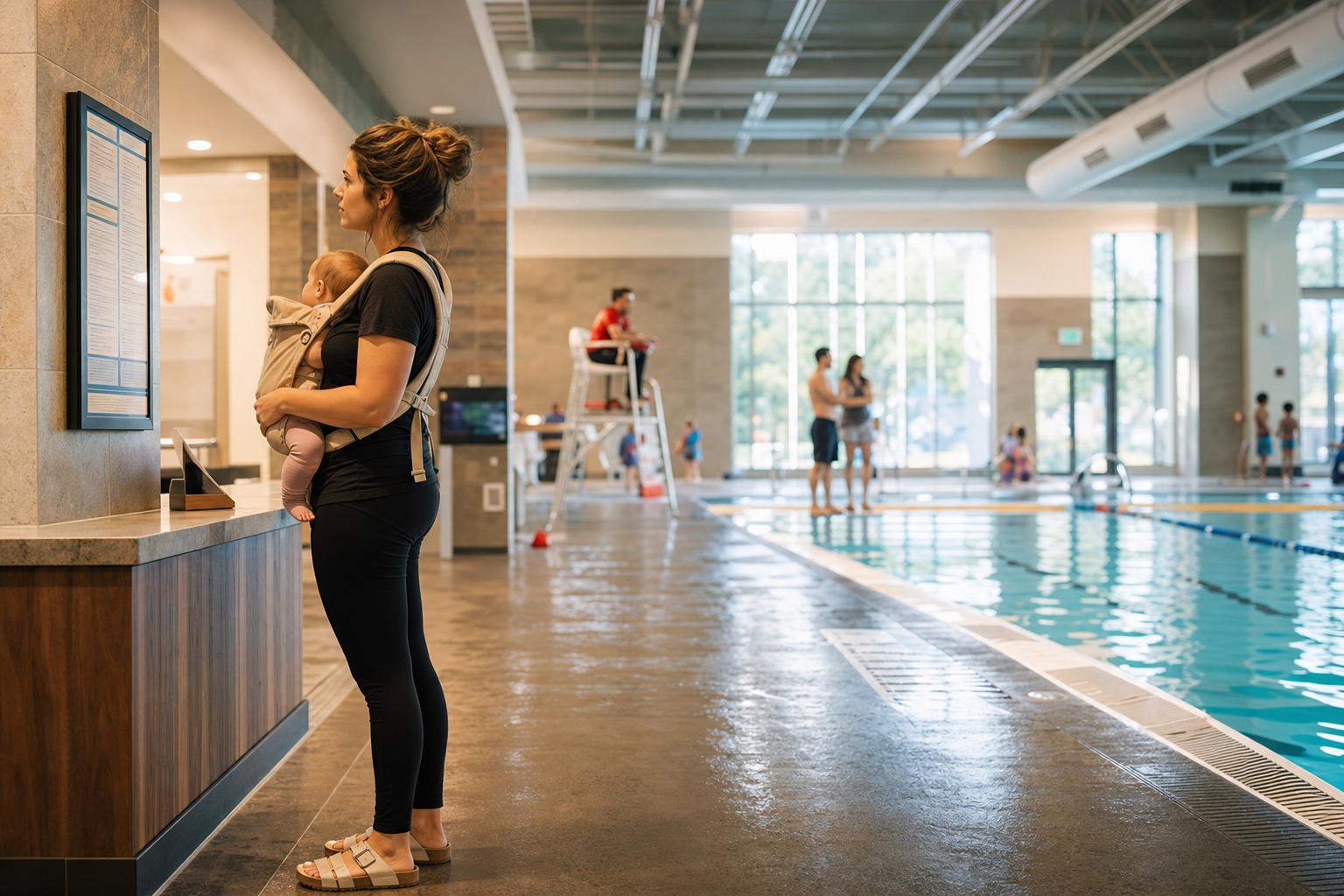
Before you ever let your nubile 0-36 month old baby splash in a public pool, you need to make sure the pool inspection report and health status meet high safety standards. Young children mouth toys, swallow water, and are more vulnerable to germs and chemicals than older kids. Checking these reports gives you peace of mind and protects your little one’s health right away. Read on to learn exactly what to look for—and why some pools that look clean might still be unsafe.
What to Find in a Public Pool Health Inspection Report
Always try to get the most recent inspection report from the local health department. It should clearly show whether the pool passed or failed, and list any violations. Key items include free chlorine level (ideally 1-4 ppm for pools), pH between 7.0–7.8, well-working filtration and chemical feed systems, and staff training in handling pool chemicals and responding to fecal incidents. According to U.S. data, more than 75% of routine inspections of public aquatic venues find at least one violation. (cdc.gov)
Check for posted “evaluation placards” or “inspection score cards” at the entrance. Some states require this. New Jersey, for example, mandates that inspection reports and placards be maintained and publicly displayed where users can see them. (nj.gov)
Also review any closure notices. If there was a recent closure for issues like unsafe chemical levels, open wounds, or visible contamination (e.g. poop in the water), that tells you the facility had serious problems. Closure notices must often be posted clearly at the gates and kept up until the pool passes reinspection. (content.civicplus.com)
Visible Red Flags: What You Can See Before Entering
Never assume that clear water means safe water. Here are some warning signs you can spot with your eyes, nose, and senses:
If water is cloudy, you can’t see through it and cannot locate the bottom. That’s a huge red flag because tiny germs hide where you can’t see. A strong chlorine smell (actually chloramines) suggests body waste, sweat, or urine interacting with chlorine—this causes respiratory irritation and reduced disinfectant performance. The absence of clean, well-maintained diaper changing stations or visible showering areas also matters. Bad ventilation indoors can trap chloramines, making the air above the water unhealthy. (cdc.gov)
If you want a structured way to build water confidence at home, the 10-Week Plan guides you step by step.
Practical Questions to Ask or Check
When visiting a pool or reading its inspection report, you can ask staff or review posted logs with these specific questions:
What are the latest disinfectant and pH test results? Are there logs showing twice‐daily or hourly readings during high use? The CDC recommends frequent testing to prevent harmful outbreaks. (cdc.gov)
[[ctababy]]
What’s the pool’s policy for diarrhoea incidents? If a baby or other swimmer has diarrhoea, how do they respond? Do they close immediately and super-chlorinate? The Model Aquatic Health Code (MAHC) recommends strict “no diarrhoea” policies; numerous inspections cite violations when pools kept operating. (cdc.gov)
How is the pool staffed and ventilated? Ask if there’s an indoor air handling system, how well it works, and whether it’s being used properly to remove chloramines. Check whether staff are trained in chemical handling and emergency closure. Also, when was the last full health inspection? Whether the facility follows the CDC’s Model Aquatic Health Code or local equivalent can make a difference. (archive.cdc.gov)
Also, check whether the pool enforces proper diaper changing away from poolside, with hand washing available. Babies in diapers and those being toilet-trained are more likely either to leak or have fecal accidents, which spreads germs. (stacks.cdc.gov)
If you plan baby swim lessons or frequent sessions, you might want to follow a gradual plan like the 10-Week Plan offered by swimy.org, which gently introduces babies to water while building hygiene awareness and helping parents learn what to look for in safe pool practices. This plan encourages frequent checks of hygiene red flags from week one—glass signs, chemical levels, diaper policies, water clarity.
Why These Checks Matter More for Babies
Babies tend to swallow water, mouth objects, and have developing immune systems. Even a very small exposure to germs or chemicals can lead to diarrhoea, ear infections, skin rashes, or breathing irritation. Some pathogens like Cryptosporidium survive chlorine treatment for days. (cdc.gov)
Chloramine buildup in indoor pools can irritate tiny lungs; poor ventilation makes it worse. Swimming with a diapered child in a pool with lax diaper-change hygiene means high risk of contamination. Inspection reports often reveal these weak points, so they aren’t just paperwork—they show what matters in practice. (cdc.gov)
Final Take: Trust but Double-Check
If the inspection report shows no violations, clean chemical levels, recent closure notices resolved, clear water, proper diaper, and showering protocols in place, you’re much more likely asking “Is public pool safe for baby?” and getting a “yes.” But clear water does not guarantee safety—many dangerous germs and chemical issues happen out of view or smell. Parental vigilance in reading reports, asking questions, and observing hygiene red flags can be what keeps your baby safe.
Before your baby’s next swim, take a moment to check the inspection report, observe the pool environment, ask staff about their logs and policies, and only then wade in. Their smile at that splash might depend on it.
120+ swimming exercises sorted by age — with video and instructions. Developed by swim instructors, completely free.

120+ swimming exercises sorted by age — with video and instructions. Developed by swim instructors, completely free.