Pacifiers at the Pool: Help or Hazard?
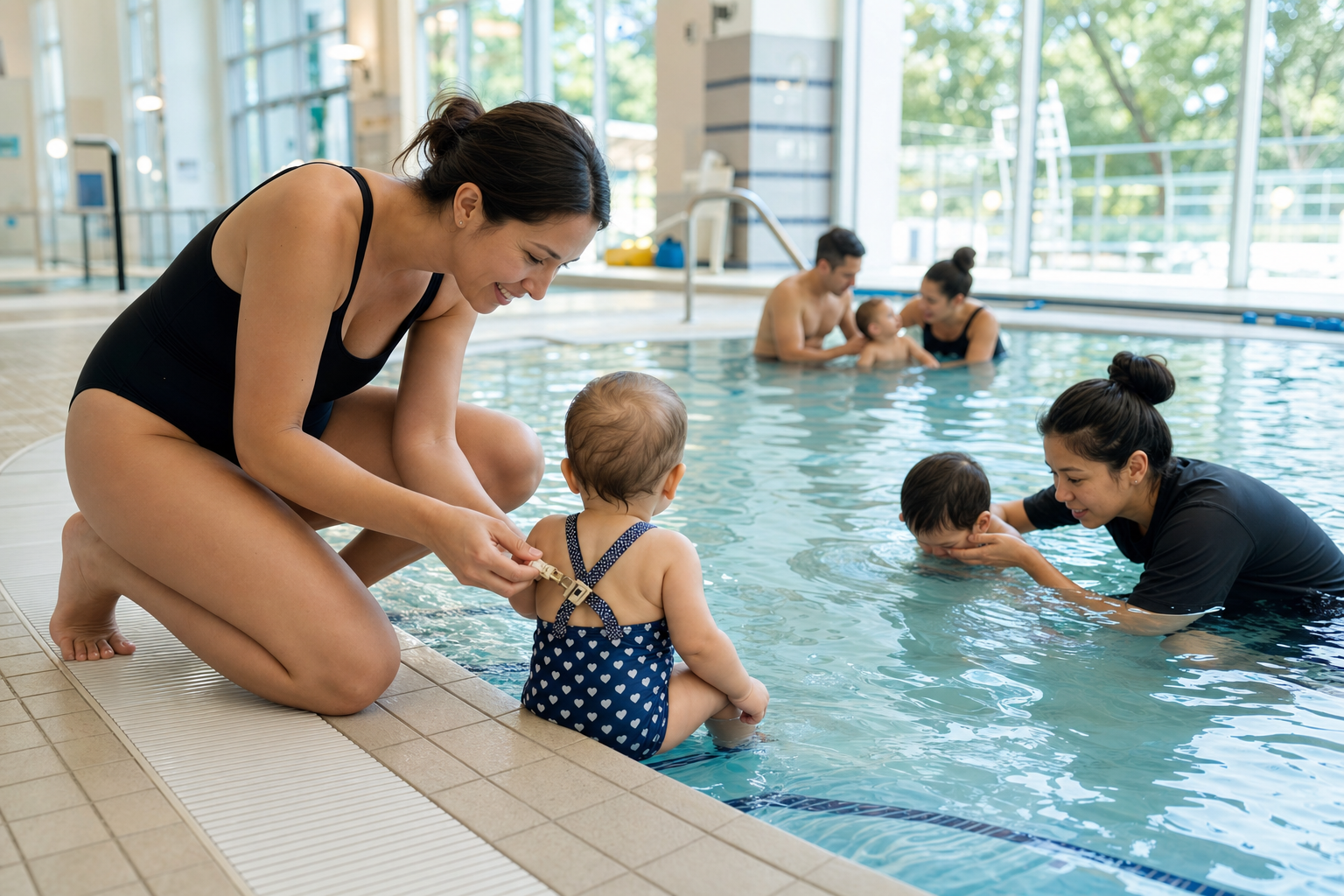
When you’re heading to the pool with a baby who uses a pacifier, you may wonder: is it okay to bring it, or does it interfere with water safety? Here's what parents need to know right away to balance comfort and caution.
Why Using a Pacifier in Water Can Be Risky
The core danger lies in breath control. During active water play, when your baby is learning to get their face wet, practicing submersion, or being carried through waves, pacifiers can mask natural cues that tell you your baby is gulping water or struggling to breathe. These cues—such as coughing, pausing mid-breath, or lifting the head—are vital during swim skills practice. In pool settings and swim classes where face-wetting or dunking is part of the curriculum, having that pacifier in place can delay or confuse those signals. It’s safest to remove the pacifier before any activity where breathing control matters.
Another concern is hygiene. Even well-treated pool water carries germs: bacteria, viruses, parasites such as Giardia, and irritants like chlorine by-products can still be harmful. Allowing pacifiers to fall into the water and then back into the mouth increases the chance of transmitting infections or skin irritation. Public health guidance reminds parents that because treated water still can harbor germs, swallowing even a small amount of contaminated water—or putting a water-soaked object like a pacifier into the mouth—can risk illness. That’s something many parents don’t expect. (healthline.com)
Finally, cord and clip safety: any long cord used to attach a pacifier can wrap around fingers, toes, or necks—especially when in or near water. Consumer safety rules, such as those enforced by the US Consumer Product Safety Commission, prohibit cords, straps, or attachments long enough to pose a strangulation or entanglement risk. Always keep any clip short and secure. (aapd.org)
When (and when not) to use a pacifier during swim time
Timing matters. Before class, in changing rooms, or while waiting poolside, pacifiers may help soothe anxiety, especially in babies aged 0–18 months or older toddlers still attached to them. That said, during actual swim activities involving face-wetting, water submersion, or safety drills—you should remove the pacifier. If your child is anxious, ask the instructor about gradual approaches rather than relying solely on the pacifier to push through fear. This prevents distress that may lead to gagging, inhaling water, or shutting down.
If you’re enrolling in a structured swim program, see if it follows guidance like the 10-Week Plan offered by SwimY.org, which emphasizes mastery of breath control, comfort with water on face and head, and responsive cues from the baby rather than masking them with objects like pacifiers. Using something like this can give a clear path that ensures skills are developed safely.
[[ctababy]]
Cleaning, clips, and safer alternatives
To reduce infection risk, clean pacifiers often. Wash them with soap and hot water after poolside or wet play. Clinicians at Cleveland Clinic recommend a quick scrub every time the pacifier hits a surface and more thorough sanitization for younger babies. (health.clevelandclinic.org) If mold, cracks, or wear appear, replace it—these defects harbor germs, reduce safety, and may change how the pacifier fits near the lips. Also avoid rinsing it off in your mouth: even “my spit is clean” can transfer bacteria or viruses your baby isn’t ready to fight. Mayo Clinic stresses that particularly before 6 months, a baby’s immune defenses are immature. (mayoclinic.org)
If you use a clip, go for short ones with quick-release mechanisms. Never tie the pacifier around the neck or leave loose cords that could catch on something or become a hazard in the water.
For soothing alternatives that don’t interfere with breathing cues or hygiene: finger-sucking, gentle rocking, singing, holding, or offering a clean water cup can all work well during wait times or changing moments. Even something like a saline spray inside the nostrils can help comfort babies who are upset by splashes, without needing a pacifier in place.
Real talk: what I’ve seen
As a parent who took a 6-month-old to weekly swim classes, I noticed the pacifier could make her relax poolside. But when dunk or breath-control drills began, she’d cough or freeze because she had the pacifier still in. Removing it early gave her a chance to open her lips, close her mouth, understand we wanted her to take a breath, then blow bubbles or splash. Teachers told me those moments mattered most. It wasn’t always easy, but seeing her cue me when she needed to breathe was far more helpful than letting her rely on something that masks natural signals.
Bottom line for pacifier-pool safety
Pacifiers are helpful for comfort during pre-swim routines, noisy changing rooms, or while waiting. But never use one during face-wetting, submersion drills, or when breathing cues are critical. Maintain strict hygiene, avoid long clips or cords, and lean on alternative soothing strategies that keep baby’s mouth and breathing visible to you. With the right boundaries and approach, pacifiers don’t have to be a hazard—they just need thoughtful use.
120+ swimming exercises sorted by age — with video and instructions. Developed by swim instructors, completely free.

120+ swimming exercises sorted by age — with video and instructions. Developed by swim instructors, completely free.