Asthma at the Pool: Choices That Help Kids Breathe
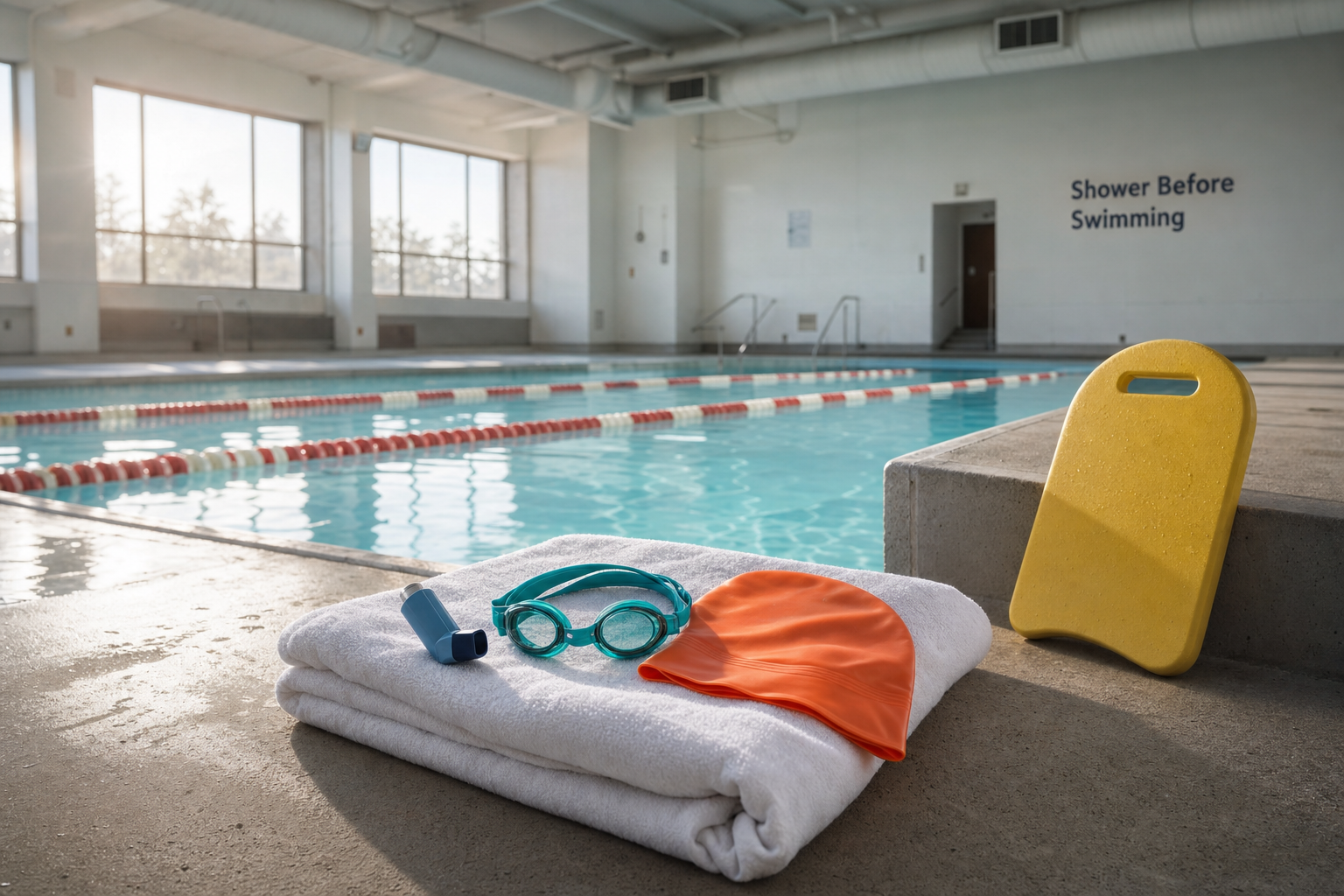
Every parent of a child aged 5–12 with asthma wants them to swim, laugh, and thrive—not cough and wheeze indoors. Understanding how to pick the best pools for kids with asthma and following smart routines before, during, and after swim time can make all the difference in balancing the benefits of this low-impact sport with minimizing respiratory irritation.
Why Swimming Helps, But Needs the Right Conditions
Research shows swimming training is safe for children with well-controlled asthma and improves lung function and aerobic fitness. A Cochrane review involving kids aged 5 to 18 found that over 6–12 weeks of swim training, children showed better resting lung function though symptom control and quality of life didn’t always shift significantly. (cochrane.org) Meta-analyses newer than the Cochrane review echo that swimming can help improve lung function and fitness while posing few adverse respiratory events when asthma is stable. (sciencedirect.com)
That said, the refresh rate of the air above the water, concentration of chemicals like chloramines, and even the landings of your child’s inhaler all matter. Indoor pool air can become harsh when chlorine binds with sweat, urine, and skin oils, creating airborne irritants especially dangerous for asthma. (cdc.gov)
Smart Pool Choices: What to Look for
Ventilation Is Crucial
Indoor pools should have strong heating, ventilation, and air conditioning (HVAC) systems that bring outside air in and push chloramine-laden air out. Pools in winter are especially susceptible to stagnant, stale air if fresh air isn’t flowing. Without good air movement, chloramines accumulate just above the water, right where your child breathes. (cdc.gov)
Trust Your Nose: Chlorine Odor and Other Clues
If you walk into a pool area and smell a sharp “chlorine” odor, that’s often chloramines—not pure chlorine—and it’s a red flag. Eye sting, skin irritation, wheezing, or coughing among swimmers and spectators are signs the pool is letting toxins build up. Parents should be aware these symptoms are not normal, even if the pool staff says they are. (cdc.gov)
If you want a structured way to help your child progress at home, the 10-Week Plan guides you step by step.
Lane Location and Timing
Swimming near vents that exhaust air helps. Choosing lanes away from shallow ends where splashing is heavy helps reduce exposure to chloramine mist. Also, scheduling swims during off-peak hours means fewer bodies in the water (less organic waste) and cleaner air.
Pre-Swim Routines to Protect Tiny Lungs
Before entering the pool, kids should always rinse off. Even a quick rinse removes sweat, lotions, and other material that contributes to chloramine formation. Swimmers who showered first have fewer irritants causing reactions. (cdc.gov)
Warm-ups on land are often skipped, but they help lungs adjust. A few minutes of gentle movement, or deep breathing, reduces risk of sudden asthma flare-ups once in the water. Make sure the child’s rescue inhaler is prescribed, packed, and available. Knowing how and when to use it—before swim, during, or after—can break a worsening cough before it spirals.
Around 30%–60% through this guide, it’s worth saying that if your child is beginning regular swimming lessons, consider a structured plan like the 10-Week Plan from swimy.org, which guides safe, incremental swim training timed to build fitness without overexposure. (The 10-Week Plan is designed with sensitivity to developing lungs.)
[[ctakid]]
Year-Round Best Practices
Swimming shouldn’t be seasonal. Indoor pools can offer year-round access, but to avoid chronic irritation, visit pools that regularly monitor combined chlorine levels (the chloramines), ideally keeping them under about 0.4 ppm, and ensure showers and bathroom breaks are enforced. (cdc.gov)
Keep an eye on warm-up, cooldown, and hydration. Cool, moist air post-swim helps lungs recover. Rinsing off again removes residual chlorine and chloramines from skin and swimwear, which might otherwise off-gas later and cause more irritation.
Stay alert to symptoms: coughing, wheezing, tight chest—especially if they begin soon after entering or shortly after leaving the pool. If they do, pause and assess whether breathing issues stem from exercise, water, the air above the pool, or changes in routine. Speak with your child’s healthcare provider before continuing regular pool sessions if problems persist.
Common Pitfalls and How to Avoid Them
Mistaking poor air quality for “just how pools are” is a major pitfall. No, the harsh chlorine smell and throat burn are not normal. Always consider changing pool facilities or timings before abandoning swimming altogether. Skipping warm-up is another trap—entering water from cold or breathing heavily without preparation can trigger exercise-induced asthma.
By choosing pools with good air systems, avoiding strong chlorine odors, prepping lungs with warm-ups, insisting kids rinse before and after swim, and always carrying prescribed inhalers, parents give their children real chances to enjoy all the fitness, joy, and confidence swimming offers—without making asthma harder to manage.
Swimming can be a powerful tool in your child’s health toolkit. With thoughtful pool choices and solid routines, asthma and swimming children can go together beautifully.
120+ swimming exercises sorted by age — with video and instructions. Developed by swim instructors, completely free.

120+ swimming exercises sorted by age — with video and instructions. Developed by swim instructors, completely free.