Baby Hydration on Pool Days: What to Offer and When
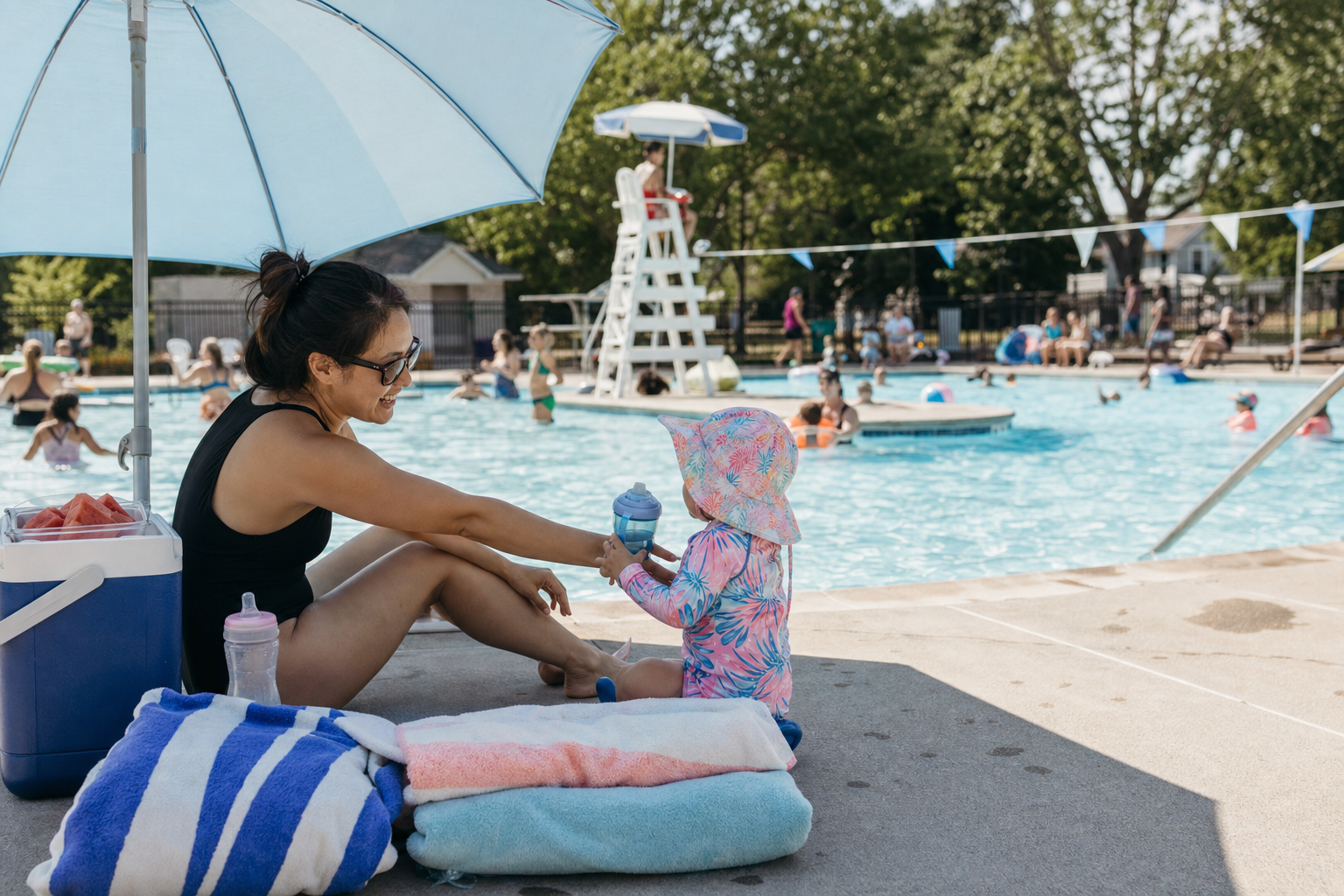
To keep your baby or toddler well-hydrated in warm pool, outdoor lesson, or beach conditions, start with milk feeds or formula as the baseline, and add cool water or additional fluids only when age-appropriate. Exclusively milk-fed babies under 6 months don’t need water unless they are formula-fed and exposed to high heat. Breastfed infants typically just want more frequent feeds in warm weather. If you're bottle-feeding under 6 months, offer small sips of cooled boiled water alongside regular formula feeds during hot spells. Once solid foods begin around 6 months, you can introduce sips of plain water with meals. (nhs.uk)
What to Offer and When
When planning a pool day or time outdoors, timing meals and fluids can prevent meltdowns and overheating. If there’s swimming or water play, avoid feeding a full milk bottle or heavy solid meal immediately beforehand—about one hour before water activity is ideal. For toddlers 12–36 months, regular meals with high-water-content foods like watermelon, cucumber, or yoghurt can help. Offer water during breaks—every 20 to 30 minutes if they're active in the sun. After outdoor swimming or sun exposure, follow up with extra breastfeeds, formula, or whole milk for toddlers, and additional water if age‐appropriate.
Cold pool water doesn’t eliminate the need for hydration—indoors or shaded pools can still lead to heat buildup especially when humidity is high. Never assume indoor pools protect babies from overheating; dress infants in light, breathable swimwear, shade canopy, hat and reapply sunscreen.
Around the midpoint of summer and as temperatures peak, having an action plan helps. For swim lesson families, following a routine—such as the structured approach of the 10-Week Plan of swimy.org—can help build habits of hydration, shade breaks, and feed timing into regular swim days without stress.
[[ctababy]]
Tailoring Hydration by Age
For babies 0–6 months: Milk (breast or formula) is everything. If formula-fed and it’s very hot, a little cooled boiled water is okay, but only in small amounts. Never force a feed just to hydrate; watch for cues like fussiness, dry lips, or fewer wet nappies.
If you want a structured way to build water confidence at home, the 10-Week Plan guides you step by step.
For 6–12 months: As solids are introduced, begin offering water in a sippy cup or open beaker with meals. Milk remains primary drink. Keep bottles for milk or formula only; avoid sweetened beverages that can harm teeth. When feeding solid snacks during pool or outdoor time, include fruits with high water content to assist hydration. (nhs.uk)
For toddlers 1–3 years: Water becomes one of their main drinks alongside whole milk. Offer it regularly: before pool entry, during breaks, and after swimming. Foods like melon, soups, or diluted soups help. Avoid sugary drinks or undiluted juices except occasionally at mealtimes.
Spotting Warning Signs of Overheating or Dehydration
Parents should watch for fewer wet nappies/diapers—infants should have at least six wet per 24 hours. Dark or concentrated urine in toddlers is a red flag. Other signs: lethargy, irritability, sunken eyes or soft spot, dry mouth, reduced tears when crying, and skin that feels hot and dry. Temperatures above 32°C (90°F) with high humidity increase risk. If vomiting, severe lethargy, or signs of heatstroke appear, seek medical advice immediately. (health.clevelandclinic.org)
Safety Caveats and Smart Planning
While hydration is critical, avoid overfeeding immediately before swimming due to risks like discomfort or even spitting up. However, do not restrict the normal milk feeds—even during a heat wave. Allow babies to feed on demand, possibly more often in hot weather.
Don’t let pool water become a substitute for clean drinking water; pool or seawater may be contaminated or salty and can actually increase dehydration if swallowed.
Plan for heat beyond midday sun: use shade, breathable clothing, hats with wide brims, and UV protection. Even shaded or indoor pools can reflect heat or trap humidity, so frequent cool‐downs are crucial.
Putting It Into Practice
Before a pool or beach day, prepare: pack extra bottles or formula if needed; bring a large water bottle for older babies/toddlers; include fresh fruit; have a sunshade or umbrella. During the activity, pause often for sips and rest in cool shade, checking diaper wetness or urine output. Afterward, offer milk or water, depending on age, and let your baby rest in a cooler environment.
When you follow these steps—smart timing of feeds, appropriate fluids, watching for warning signs—you help your little one stay comfortable, keep better temperature regulation, and enjoy pool days without breakdowns. And you’ll feel confident about knowing what’s safe, what to offer, and when to get help.
120+ swimming exercises sorted by age — with video and instructions. Developed by swim instructors, completely free.

120+ swimming exercises sorted by age — with video and instructions. Developed by swim instructors, completely free.